Art movement
Impressionism
1860s–1880s · France
About the movement
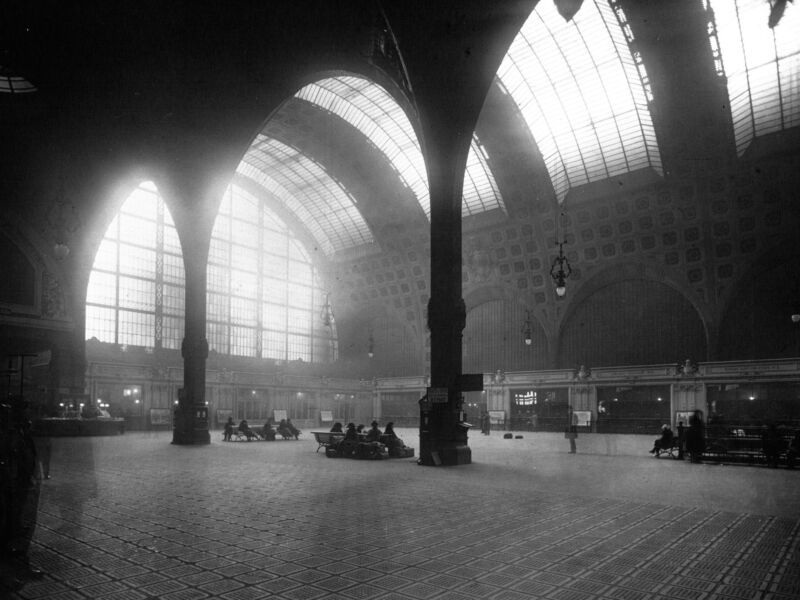
On April 15, 1874, in the former studio of the photographer Nadar at 35 Boulevard des Capucines, an exhibition opened that nobody yet called Impressionist. It was organized by the "Anonymous Society of Painters, Sculptors, Engravers," thirty-one artists tired of waiting for favors from the Salon jury. Ten days later, on April 25, the critic Louis Leroy published a mocking piece in the satirical paper Le Charivari titled "Exhibition of the Impressionists," seizing on the title of Claude Monet's Impression, Sunrise (1872). The jibe stuck, and by the third exhibition, in 1877, the participants were calling themselves Impressionists.
The change lay not in subject matter but in how a picture was made. The Impressionists painted in short, separate strokes of pure color without mixing on the palette, and gave up black shadows and dark grounds. Working outdoors, made possible by paint in tubes, forced them to hurry, since the light changes within minutes. Hence the sketchy, "unfinished" surface that so infuriated critics. What they were up against is plain enough: the Salon, with its polished finish and historical subjects, and later the whole system in which a jury decided an artist's career.
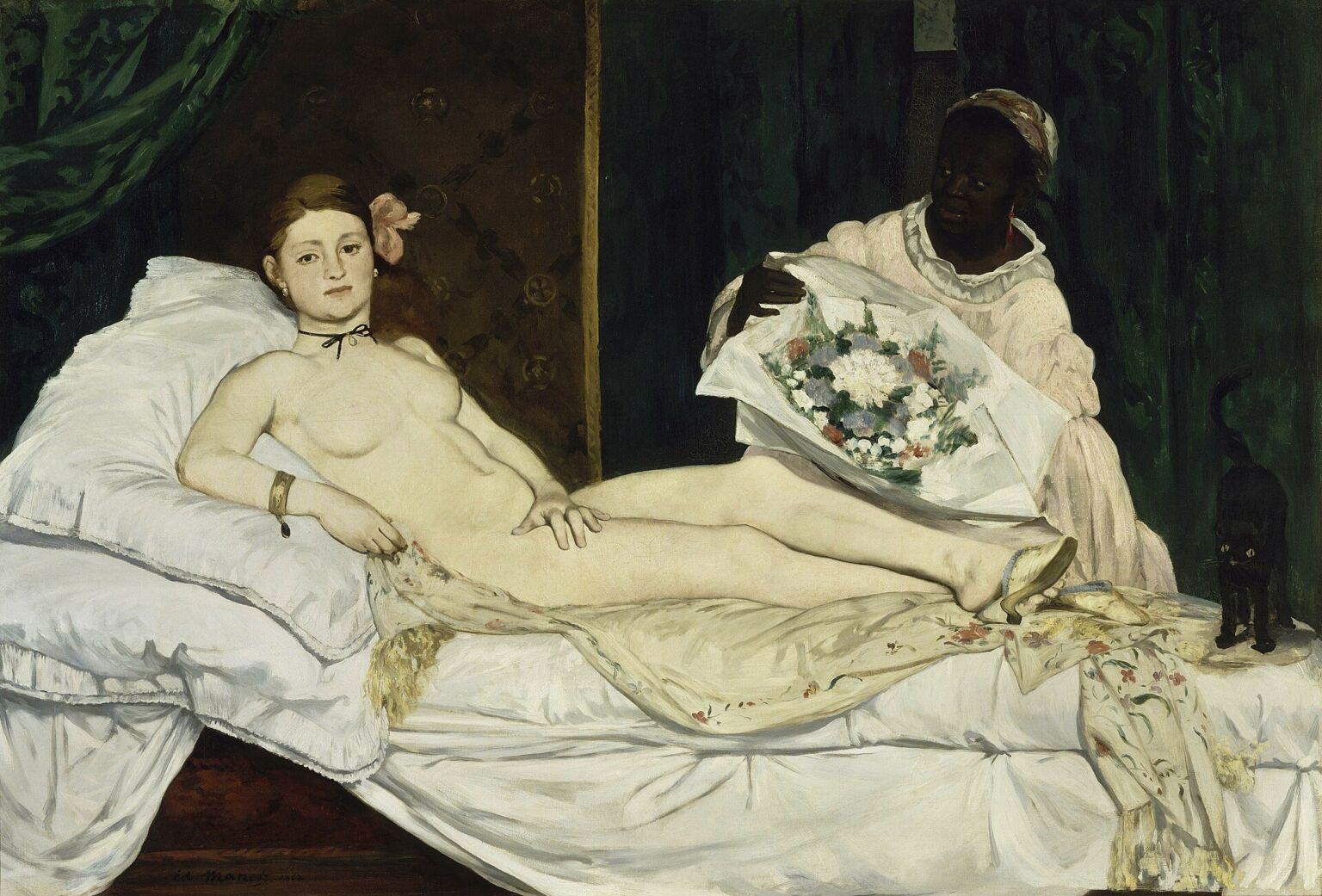
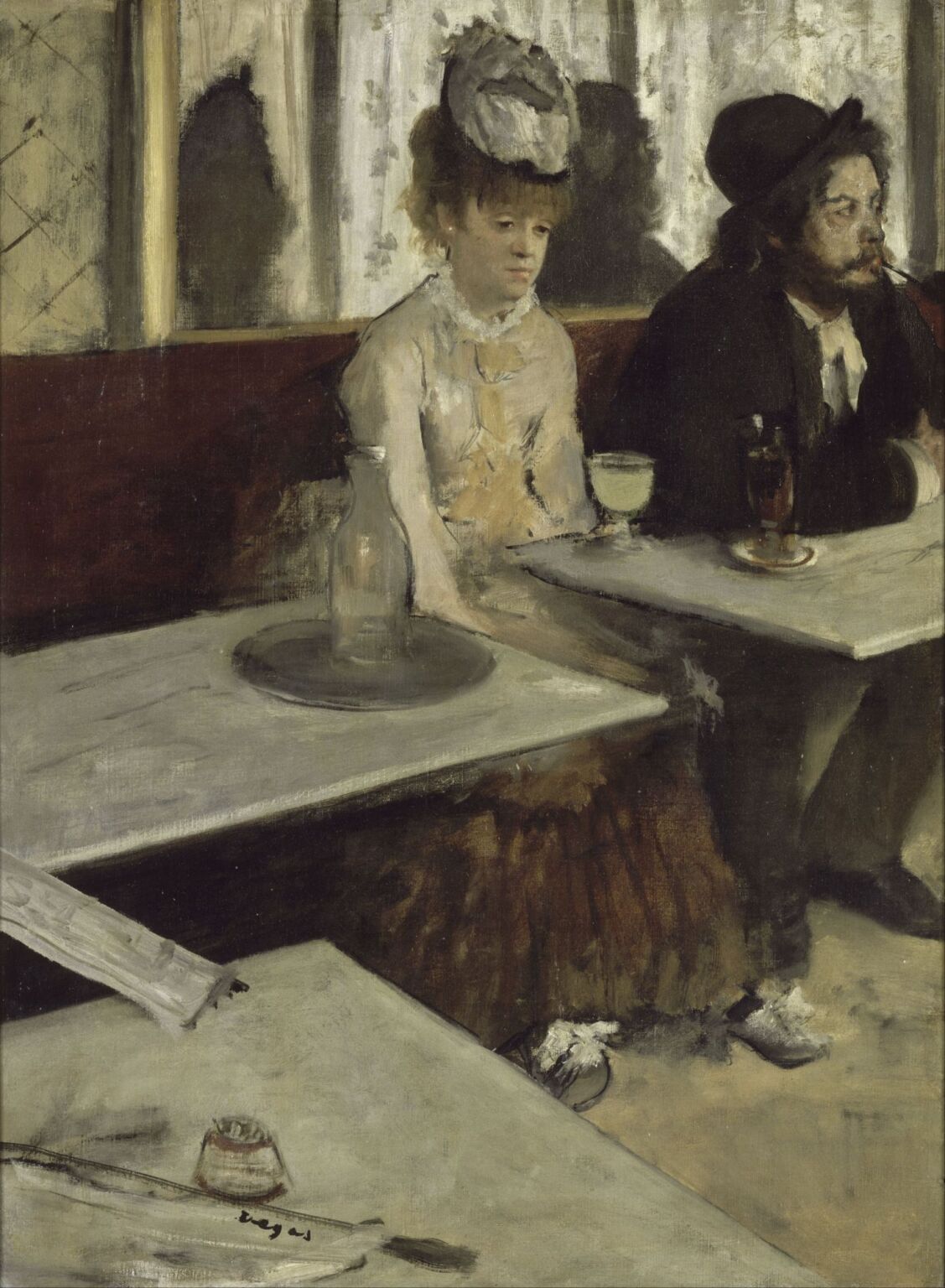
The core of the group was Monet, Pierre-Auguste Renoir, Edgar Degas, Camille Pissarro, Alfred Sisley and Berthe Morisot, joined in 1876 by Gustave Caillebotte. The key works include Monet's Boulevard des Capucines (1873; one of its two versions is in the Pushkin State Museum of Fine Arts in Moscow), Morisot's The Cradle (1872), Degas's L'Absinthe (1875–1876), Renoir's Dance at Le Moulin de la Galette (1876) and Sisley's Flood at Port-Marly (1876), these last four in the Musée d'Orsay, and Caillebotte's Paris Street; Rainy Day (1877, Art Institute of Chicago). Édouard Manet, regarded as their leader, never once took part in the group's shows and kept trying to get into the Salon.
Through one of his characters, Leroy remarked that "wallpaper in its embryonic state is more finished than that seascape" (1874). The second exhibition, in 1876, drew an even nastier review from Albert Wolff in Le Figaro: "five or six lunatics, among them a woman." Little sold at first; the dealer Paul Durand-Ruel kept the painters afloat, and later American collectors did too. Even in 1894, when Caillebotte died and left his collection to the state, it agreed to accept only part of it.
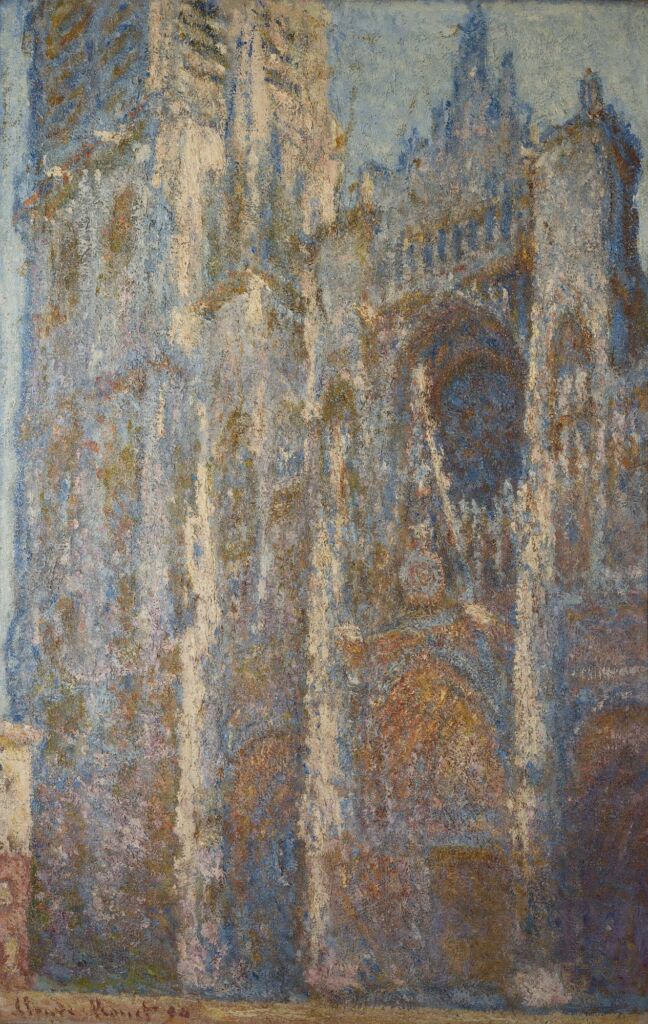
In all there were eight exhibitions between 1874 and 1886, and by the last the group had effectively broken up: Monet and Renoir had gone back to the Salon and to dealers, and Pissarro had taken up Seurat's pointillism. Monet's later work moved toward series, the Haystacks (1890–1891) and the Rouen Cathedral paintings (1892–1894), in which the same motif is painted at different times of day. Rouen Cathedral at Noon (1894) is also in the Pushkin Museum.
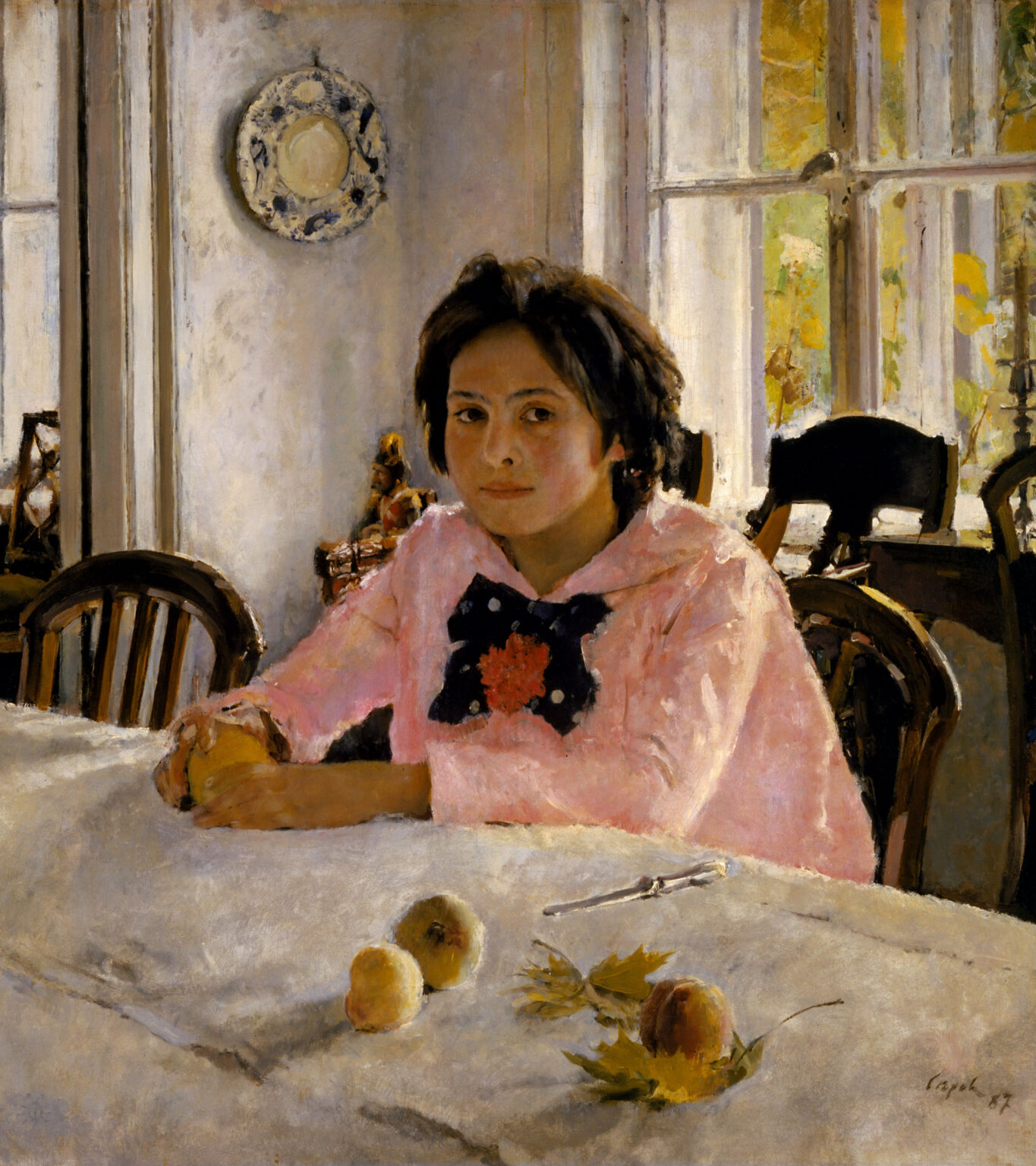
For Russia, Impressionism was an event. At a French exhibition in Moscow in 1896, the young Wassily Kandinsky saw one of Monet's Haystacks and could not tell what it depicted until he read the catalog; he later recalled the shock as one of the impulses that led him to abstraction. The Moscow collectors Sergei Shchukin and Ivan Morozov bought Monet, Renoir, Degas, Pissarro and Sisley; after nationalization and the closure in 1948 of the State Museum of New Western Art, their holdings were divided between the State Hermitage Museum and the Pushkin Museum. Russian painters took the lesson in their own way: Valentin Serov's Girl with Peaches (1887) and Konstantin Korovin's landscapes are full of light and air, but they never give up solid form.
Everyone who came next took Impressionism as their point of departure: the Neo-Impressionists, Cézanne, Gauguin, Van Gogh. The Water Lilies that Monet gave to the state, unveiled at the Orangerie in 1927, lead straight to the abstraction of the mid-20th century.
Artists
Major works
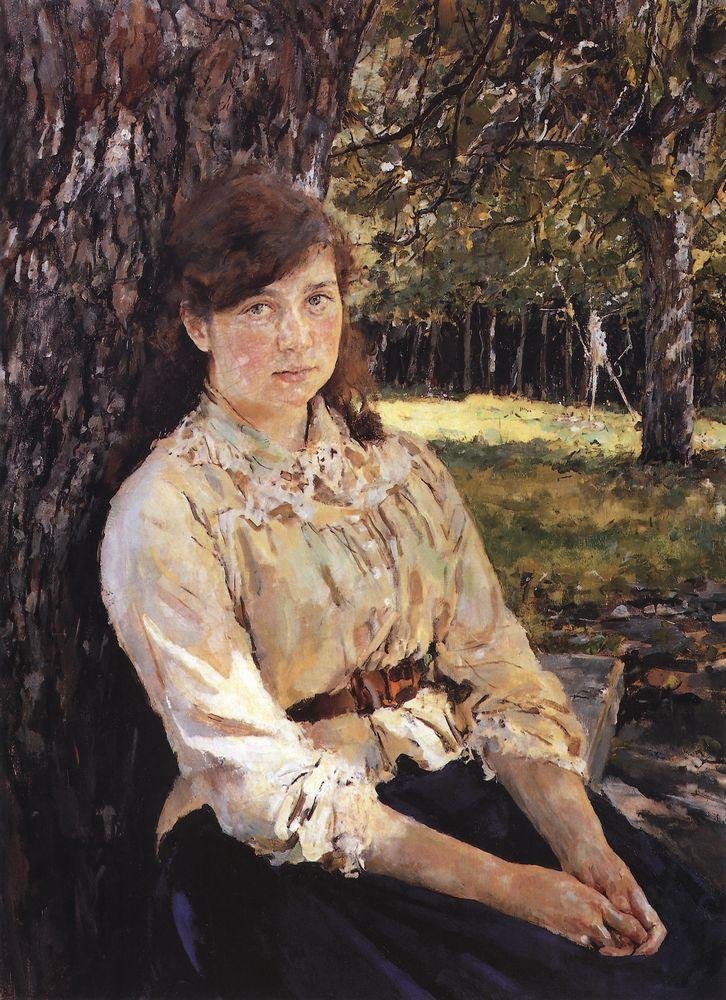 Girl in the SunlightValentin Serov · 1888
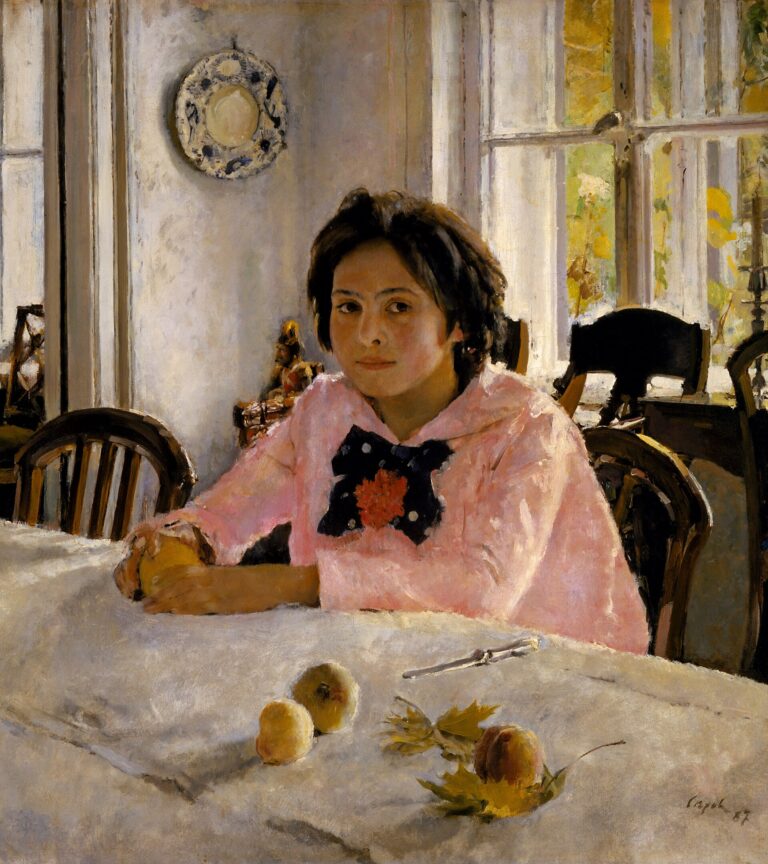 Girl with PeachesValentin Serov · 1887