Russian art · Artist
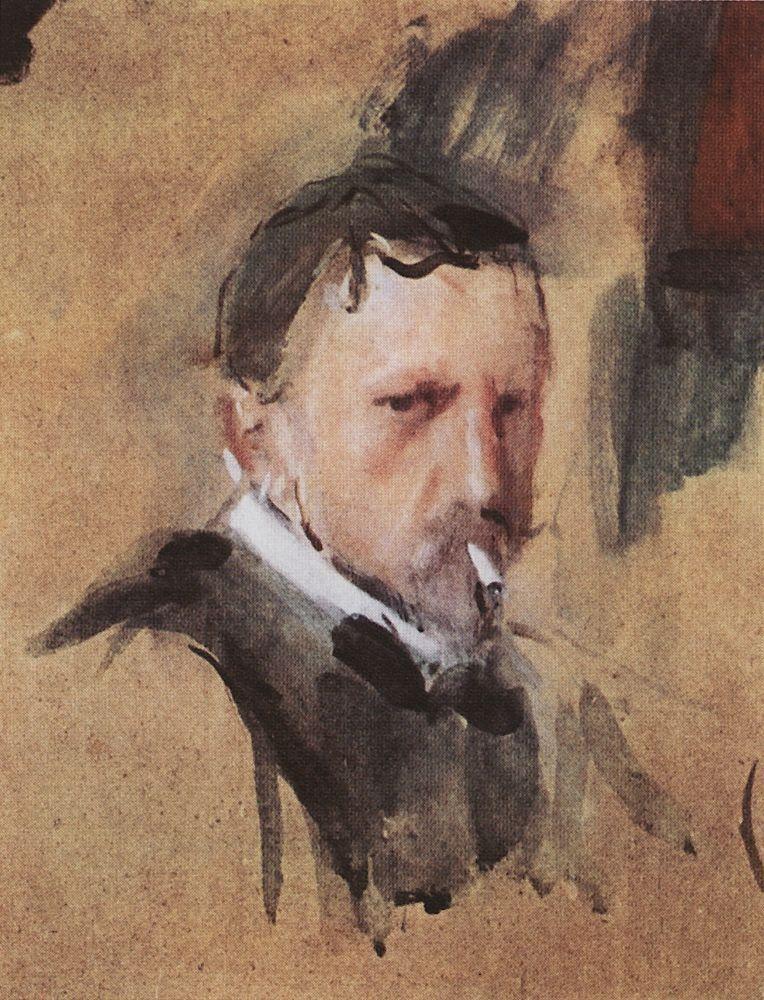
Valentin Serov
Valentin Alexandrovich Serov · 1865, St Petersburg — 1911, Moscow
Biography
Valentin Serov was born in St Petersburg on January 19, 1865 (January 7, Old Style), into a musical family: his father, Alexander Serov, was a composer and critic, and his mother, Valentina Serova (née Bergman), was a pianist close to the Peredvizhniki, the realist society that took its exhibitions on tour. His father died when the boy was six. Serov began drawing seriously at an early age: in 1874–1875, aged nine, he took lessons from Ilya Repin in Paris, and later studied with him again in Moscow.
From 1880 to 1885 Serov studied at the Imperial Academy of Arts in St Petersburg under Pavel Chistyakov, but did not finish the course. There he became friends with Mikhail Vrubel. He spent his summers at Abramtsevo, Savva Mamontov's estate near Moscow, and at Domotkanovo, the Tver province estate of his friend Vladimir von Derviz, and it was there that he painted the two pictures that made his name.
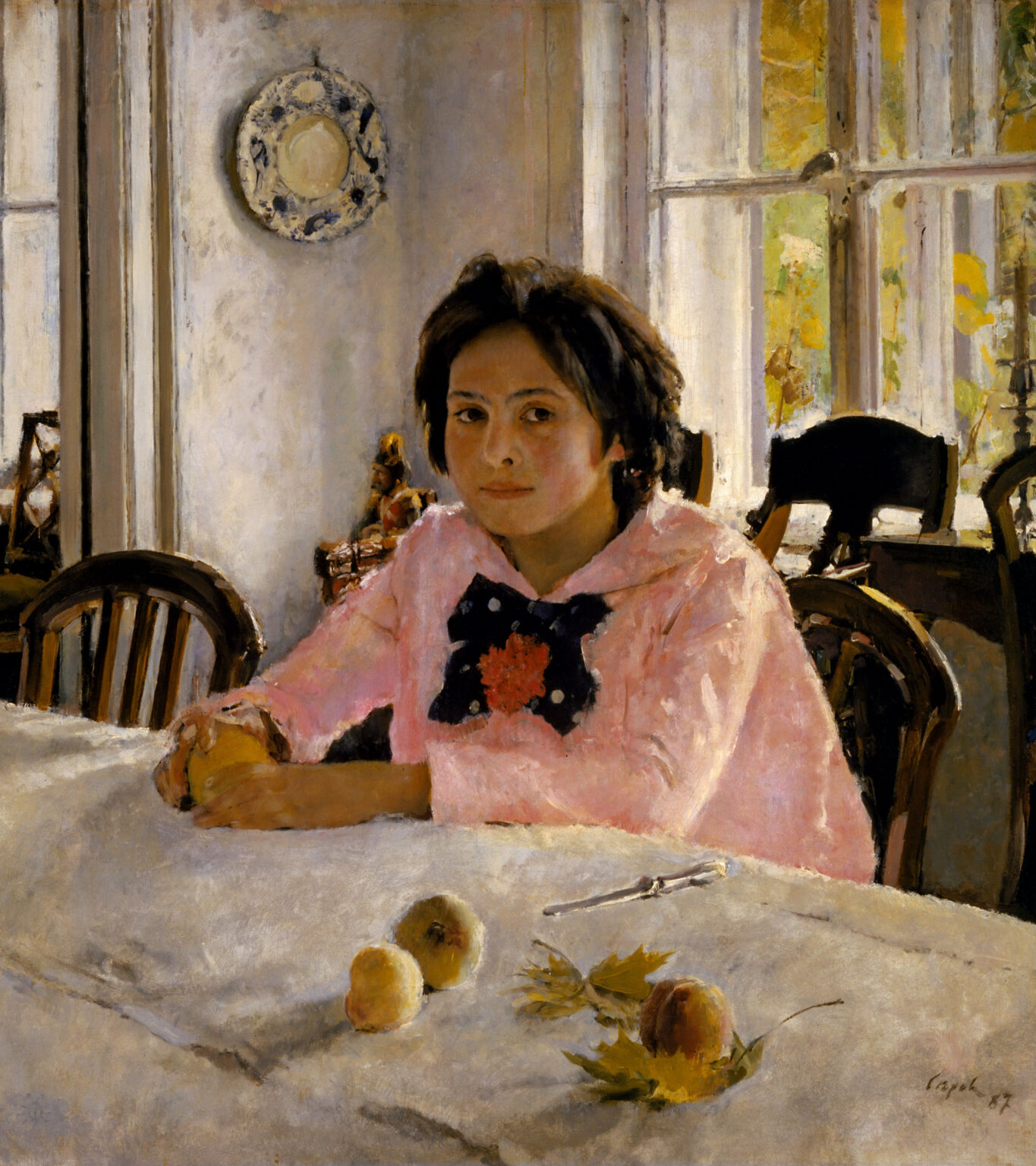
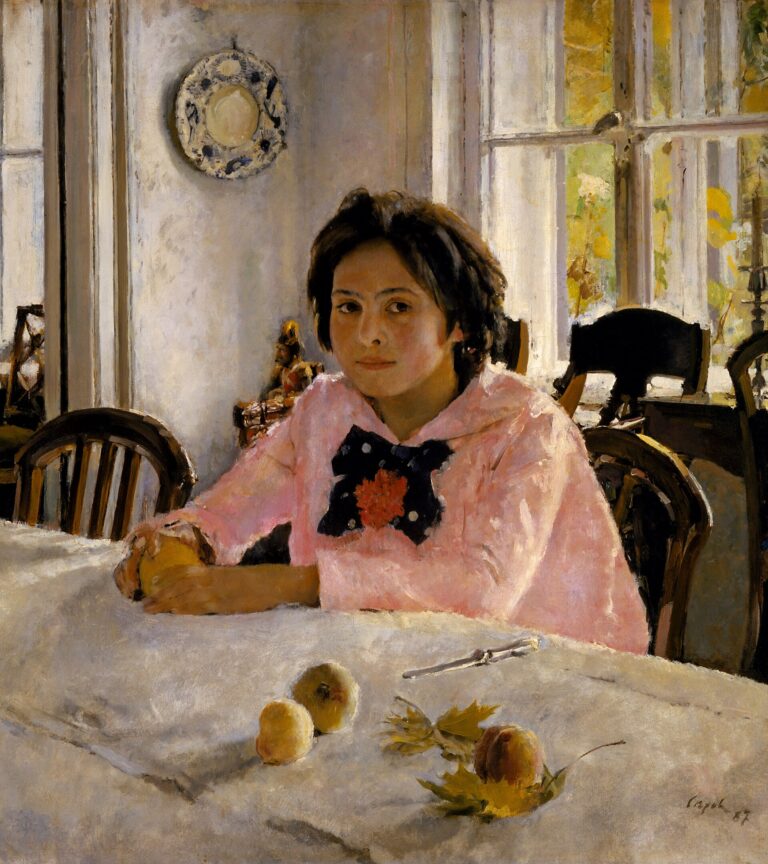
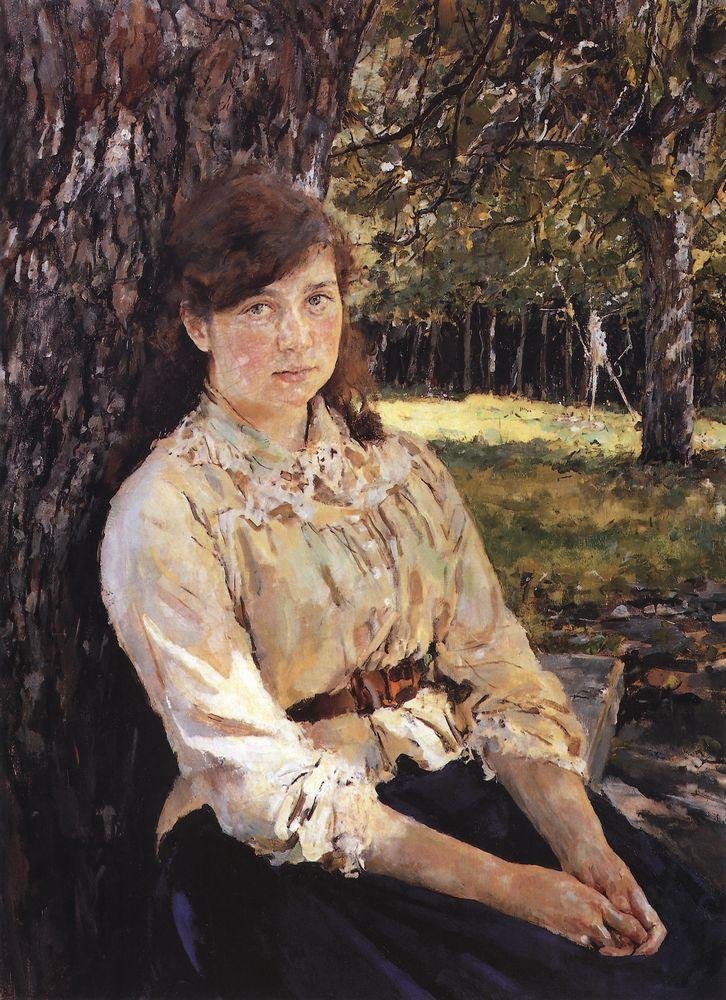
He painted Girl with Peaches (1887) at Abramtsevo; the sitter was his host's daughter, Vera Mamontova. The following summer, at Domotkanovo, came Girl in the Sunlight (1888), a portrait of the artist's cousin Maria Simonovich. As she later recalled, the sittings went on all day, morning and afternoon, and only at the start of the fourth month did she give up and leave for St Petersburg. Pavel Tretyakov, the Moscow merchant whose collection became the State Tretyakov Gallery, bought the picture from the artist that same year. Serov put his program for those years in his own words: "I want, I want what is joyful, and I will paint only what is joyful."
He went on to become one of the most sought-after portraitists of his day. His sitters included the singers Angelo Masini and Francesco Tamagno, Rimsky-Korsakov (1898), Nicholas II (1900; the original was destroyed in 1917, and the Tretyakov Gallery has the artist's own replica), the actress Maria Yermolova and Feodor Chaliapin (both 1905). In 1894 Serov joined the Peredvizhniki, and in the late 1890s he entered the World of Art circle. He traveled in Holland, Belgium, Germany, France, Italy, Spain and Greece, and in 1907 he designed the Mariinsky Theater production of his father's opera Judith.
Serov's method was long, exhausting work from life and a constant search for form, moving from the Impressionist freshness of the 1880s to the flat silhouettes of Art Nouveau. He painted the Portrait of Ida Rubinstein (1910) one summer in Paris, in tempera and charcoal on canvas, and saw the dancer herself, in his own words, as "an archaic bas-relief come to life." The painting came to the Russian Museum from the artist in 1911. In the same years he made The Rape of Europa (1910) and the curtain for the ballet Scheherazade for Diaghilev's Ballets Russes (1911), and from 1895 until his death he illustrated the fables of Ivan Krylov.
From 1897 to 1909 Serov taught at the Moscow School of Painting, Sculpture and Architecture; his students included Kuzma Petrov-Vodkin, Martiros Saryan, Pavel Kuznetsov and Konstantin Yuon. He became an academician in 1898 and a full member of the Academy in 1903, and in 1905 he resigned from it in protest at the shooting of demonstrators on January 9, Bloody Sunday. He also sat on the board of the Tretyakov Gallery.
Serov died in Moscow on December 5, 1911 (November 22, Old Style), at the age of 46. The main collections of his work are in the State Tretyakov Gallery and the State Russian Museum.
Major works
Click a painting to see the details.
-
 01
Girl with Peaches
1887 · State Tretyakov Gallery, Moscow -
 02
Girl in the Sunlight
1888 · State Tretyakov Gallery, Moscow -
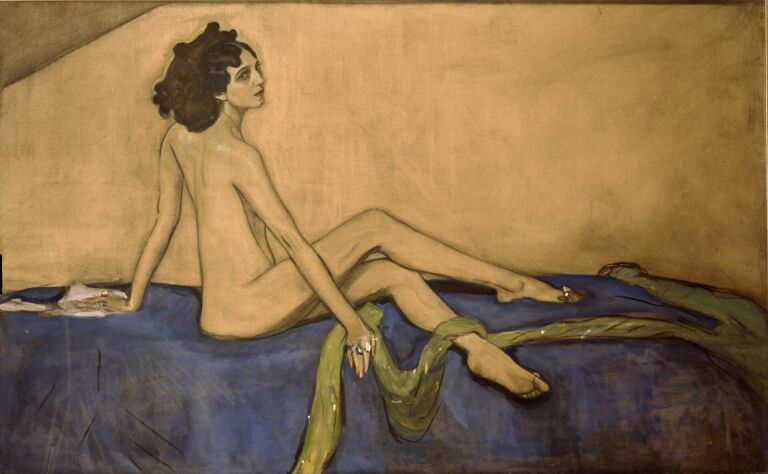 03
Portrait of Ida Rubinstein
1910 · State Russian Museum, St Petersburg
Stories about Valentin Serov
Related artists
 Ilya Repin
1844–1930 · teacher
PC
Pavel Chistyakov
1832–1919 · teacher
 Isaac Levitan
1860–1900 · friend