Movements and styles
74 movements and styles — from the Renaissance to the avant-garde, with their history, key artists and paintings.
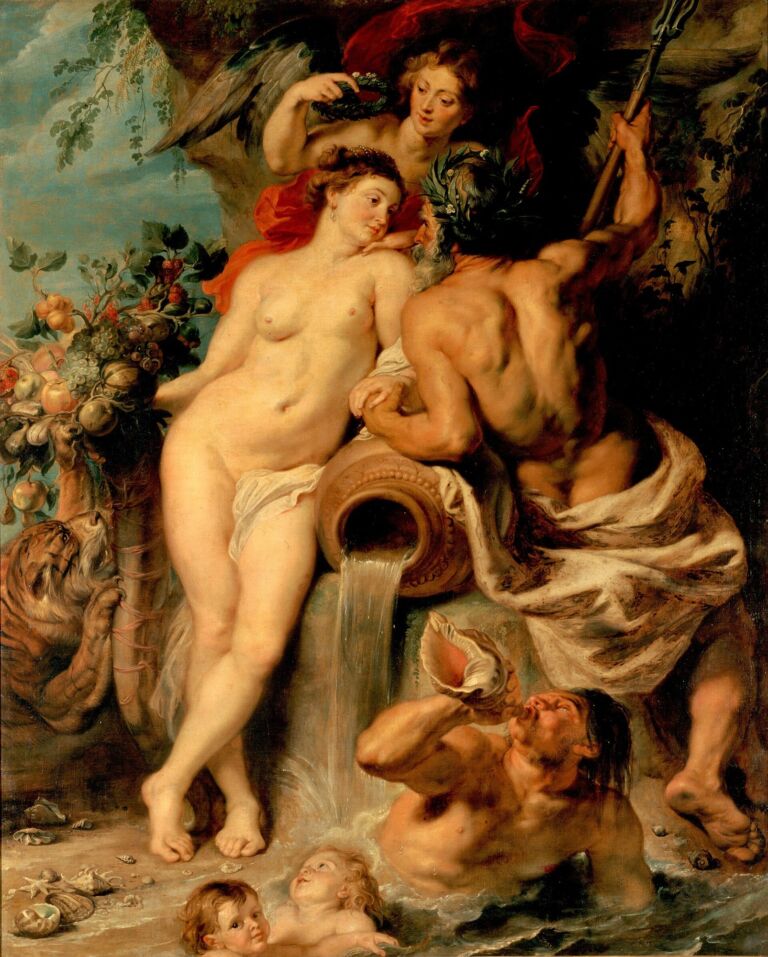 17th-century Flemish painting
1609–1660s · Southern Netherlands (Antwerp) The Catholic Flanders of Rubens and van Dyck: exuberant Baroque, portraiture and still life.
Abstract art
1910s–1960s · Europe, Russia and the United States Art that depicts no objects: color, line and form as a language of their own.
Abstract Expressionism
1940s–1950s · New York, United States The first American movement, and the one that made New York the capital of world art.
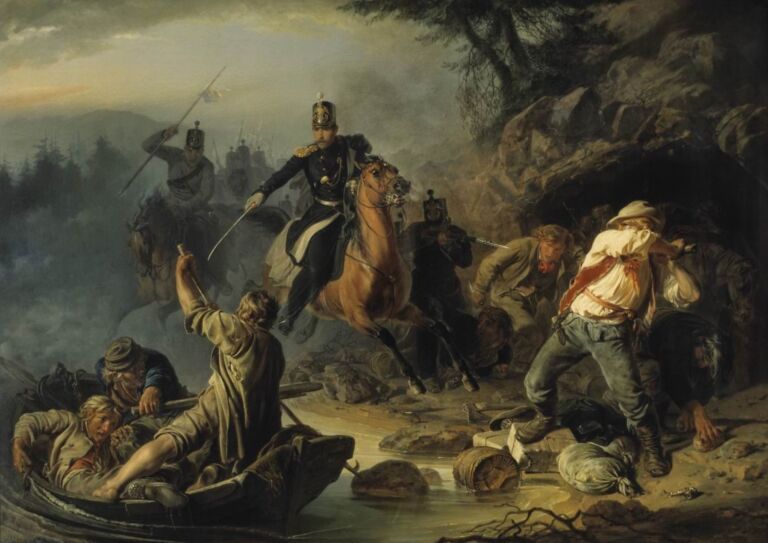 Academic art
17th–19th centuries · Europe and Russia Art by the rules of the academies: ideal form, classical and biblical subjects.
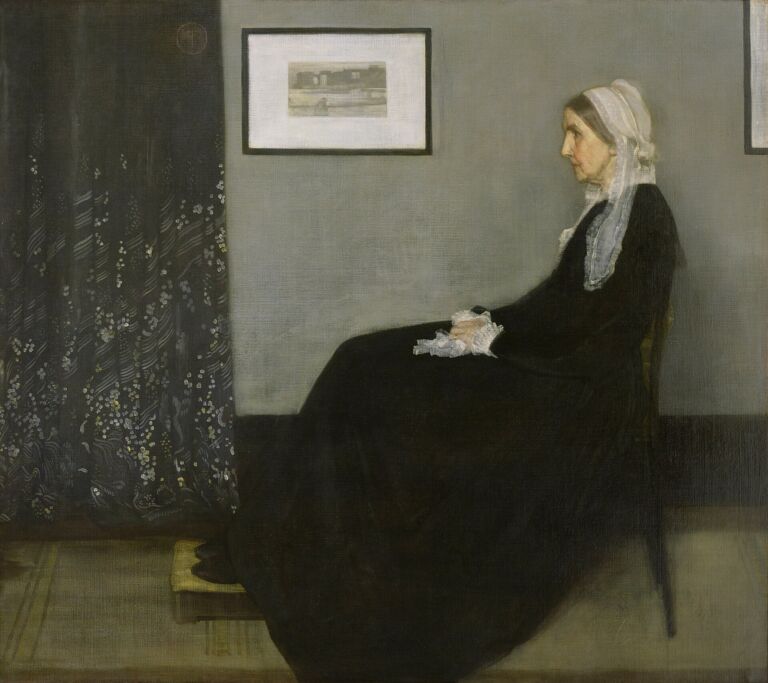 Aestheticism
1860s–1890s · Great Britain The British "art for art's sake" movement, in which beauty needed neither a moral nor a story.
American Realism
1900s–1940s · USA Painting American life, from New York streets and boxing rings to Midwestern farms.
Analytical art (Filonov)
1914–1941 · Russia, Petrograd–Leningrad Pavel Filonov's method: a painting grown from the tiniest particles, like a living organism.
Art Deco
1920s–1930s · France, Europe, USA The style of interwar luxury: geometry, glamour and the speed of the machine age.
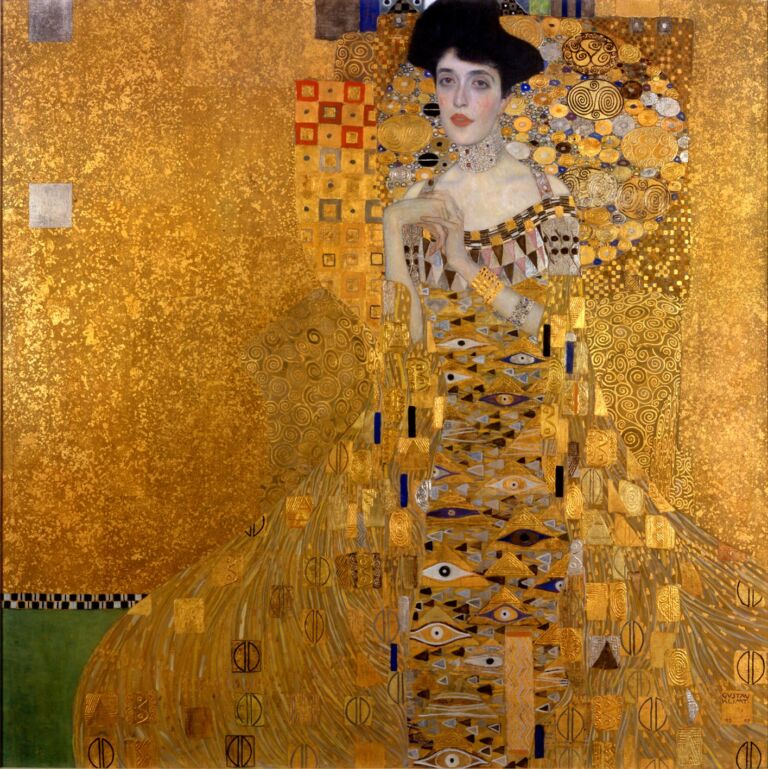 Art Nouveau
1890s–1910s · Europe and Russia Flowing line, ornament and a union of painting with architecture and everyday life.
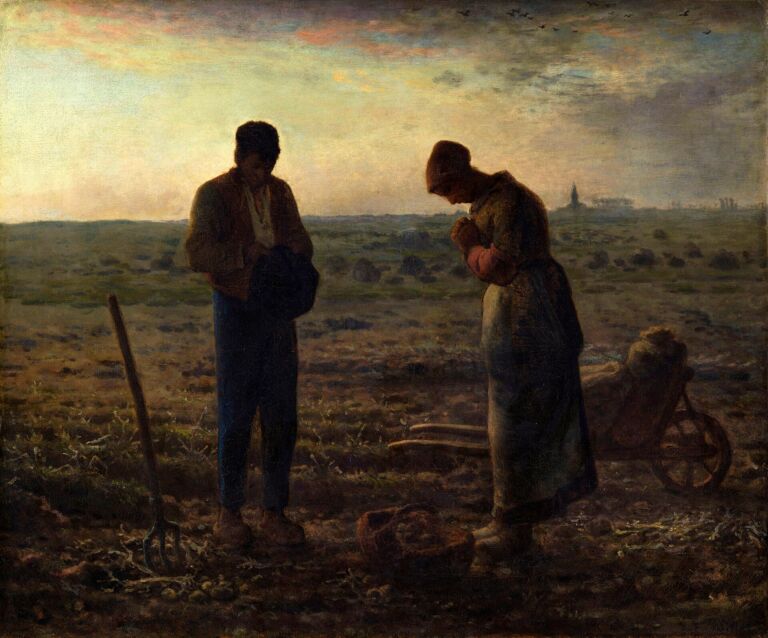 Barbizon school
1830s–1870s · France Landscape painters who went to work in the Forest of Fontainebleau and made nature a subject in its…
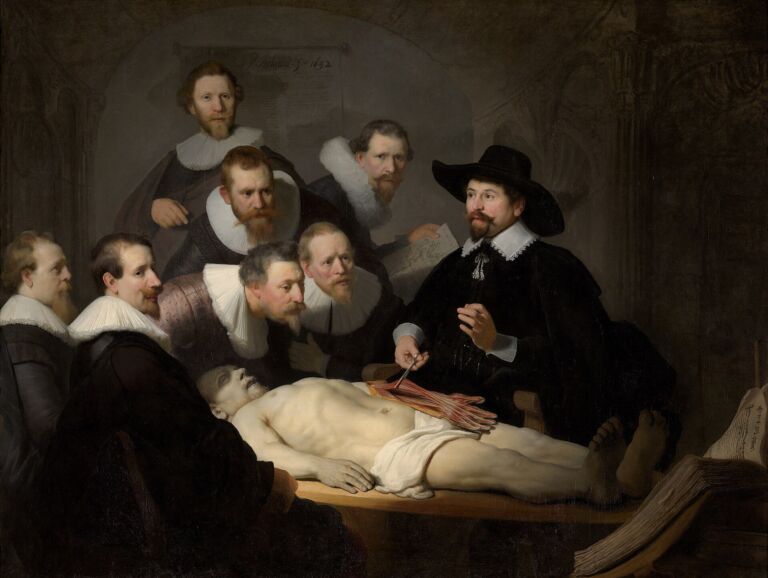 Baroque
Late 16th to mid-18th century · Europe (from Rome) and Russia The drama of light and shadow, movement and theatrical grandeur.
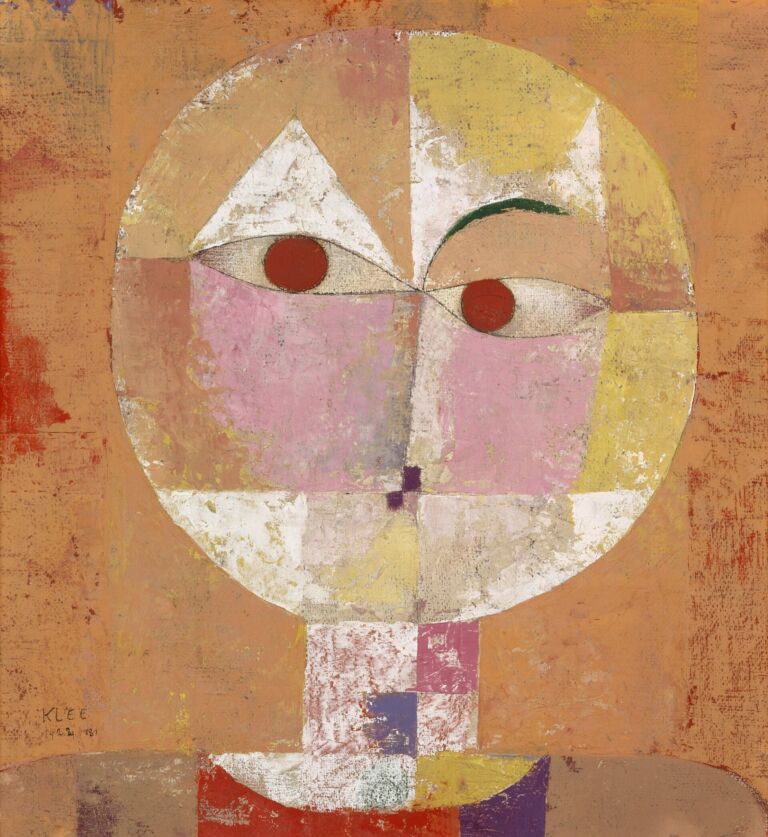 Bauhaus
1919–1933 · Germany The German school that brought together art, craft and industry.
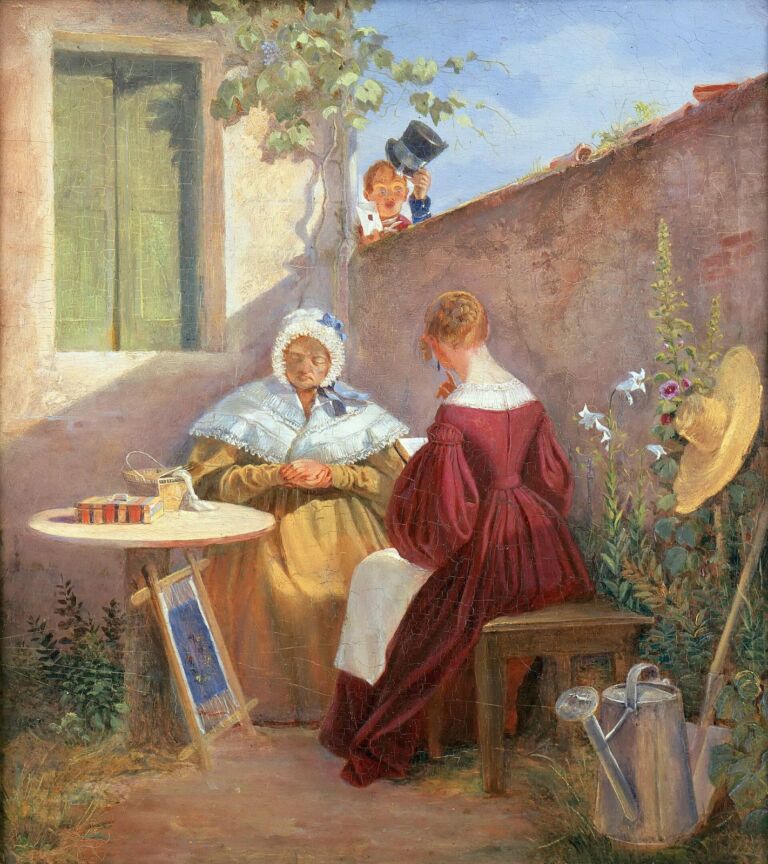 Biedermeier
1815–1848 · Germany, Austria Cozy middle-class art between the Congress of Vienna and the revolutions of 1848.
Blue Rose
1904–1910 · Moscow, Saratov Moscow Symbolists whose 1907 exhibition opened Russian painting up to mist, half-tones and dreams.
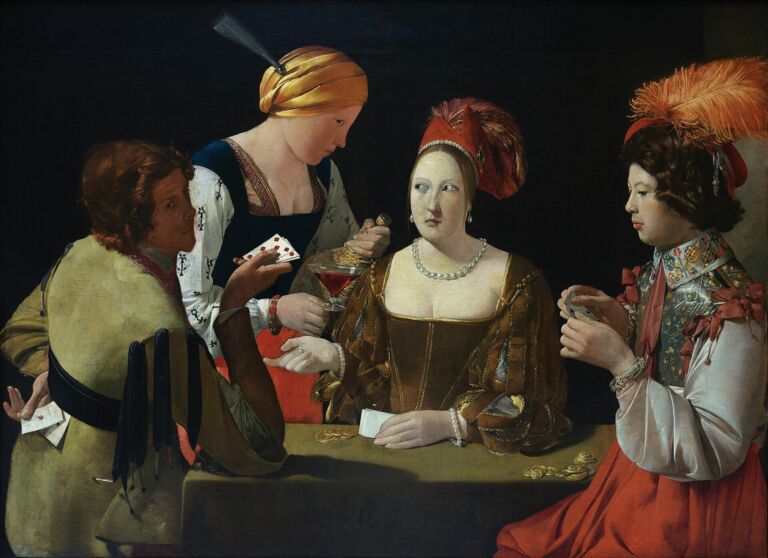 Caravaggism
Around 1600 to the 1630s · Italy, the Netherlands, France, Spain Caravaggio's followers: harsh light out of darkness and characters off the street.
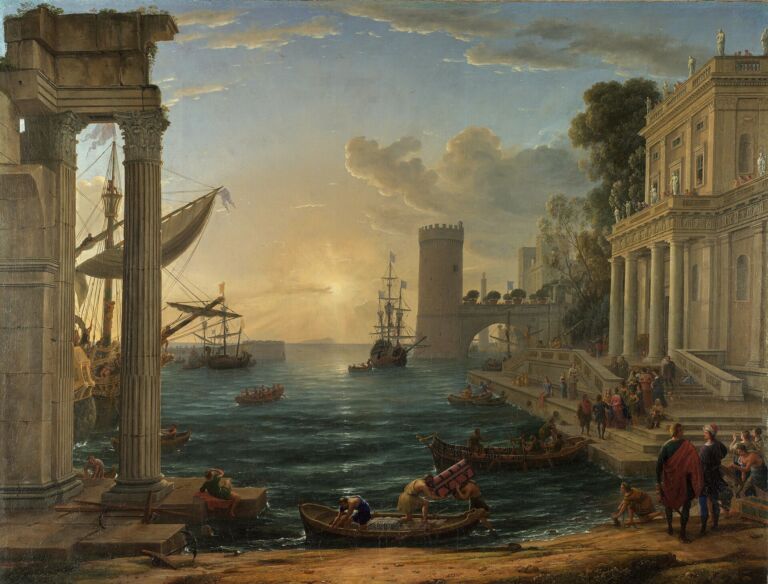 Classicism
17th century · France, Rome An art of reason and measure that took antiquity and Raphael as its models.
Color Field painting
Late 1940s–1960s · USA Abstraction in broad planes of color, made for contemplation rather than gesture.
Conceptual art
1960s–1970s · USA, Europe Art in which the idea matters more than its execution.
Constructivism
1914–1930s · Russia, USSR The Soviet avant-garde that turned the artist into a constructor of a new life.
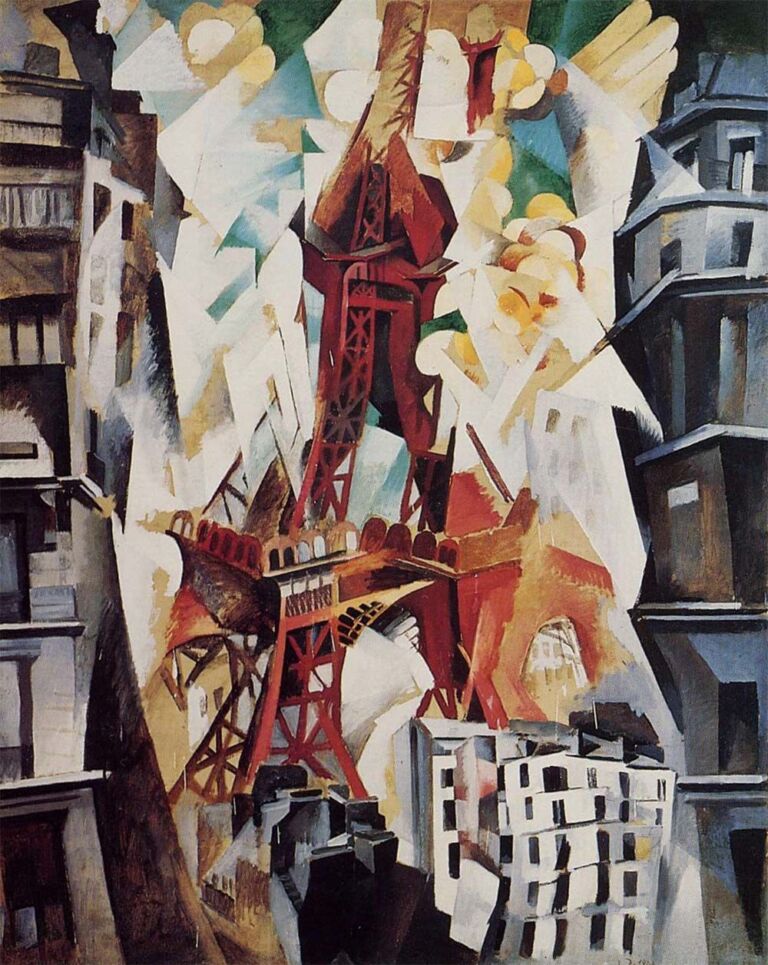 Cubism
1907–1914 (later forms into the 1920s) · France The object broken into facets and shown from several sides at once.
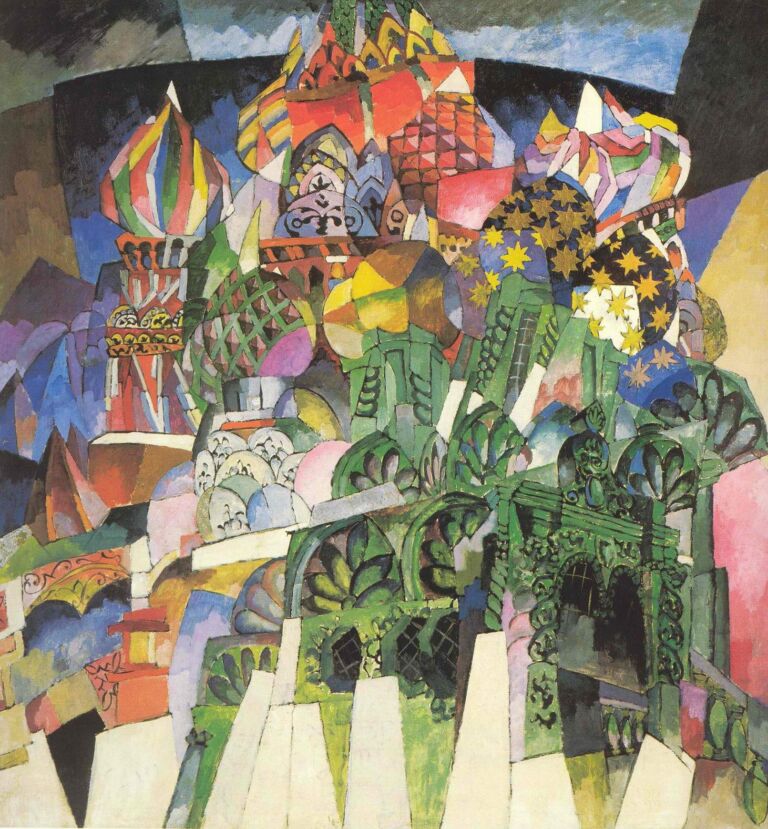 Cubo-Futurism
1912–1915 · Russia A Russian fusion of French Cubism and Italian Futurism, in painting and in poetry.
Dada
1916–1924 · Switzerland, Germany, France, USA Anti-art born of protest against the First World War.
Dutch Golden Age painting
17th century (around 1600–1672) · Netherlands (Dutch Republic) Portraits, still lifes and interiors for the burghers of a young republic.
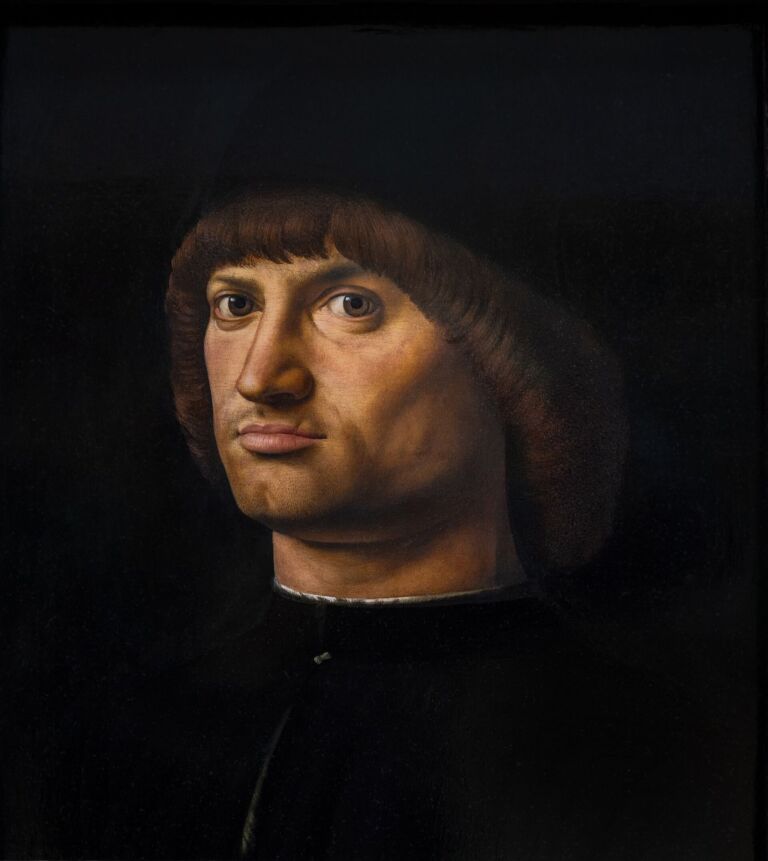 Early Renaissance
Around 1420 to the 1490s · Italy (Florence, Urbino, Padua, Mantua, Venice) The Florentine Quattrocento: the discovery of linear perspective, anatomy and antiquity.
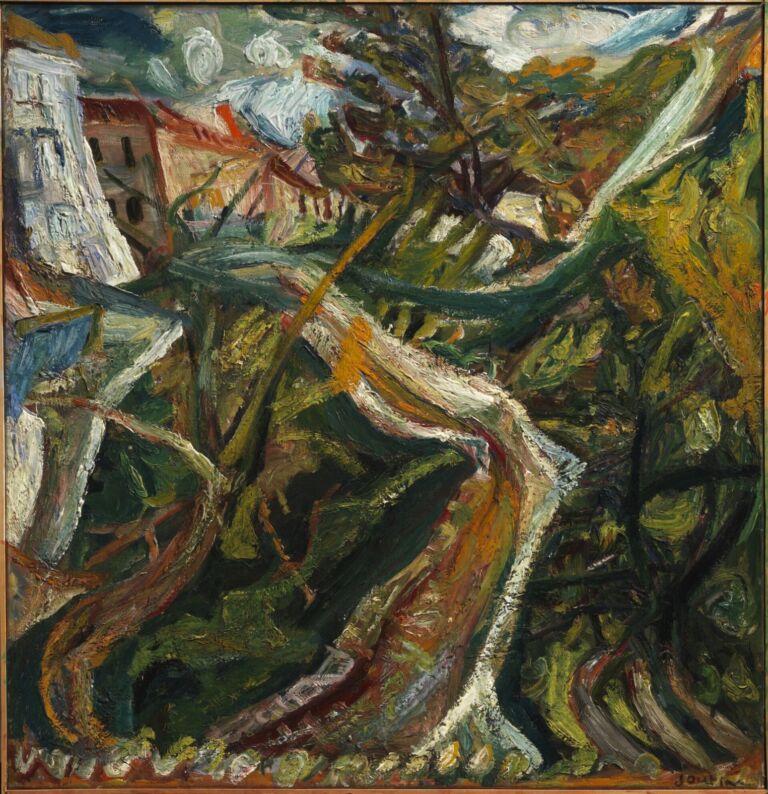 Expressionism
1905–1920s · Germany, Austria, Northern Europe Not what the world looks like, but what the artist feels about it.
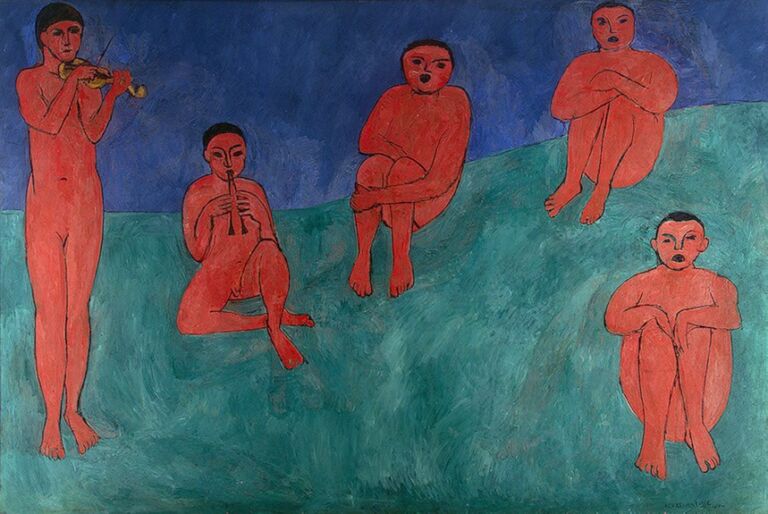 Fauvism
1905–1908 · France A brief explosion of pure color, freed from nature, in French painting.
Futurism
1909–1916 · Italy The Italian avant-garde that celebrated speed, the machine and the modern city.
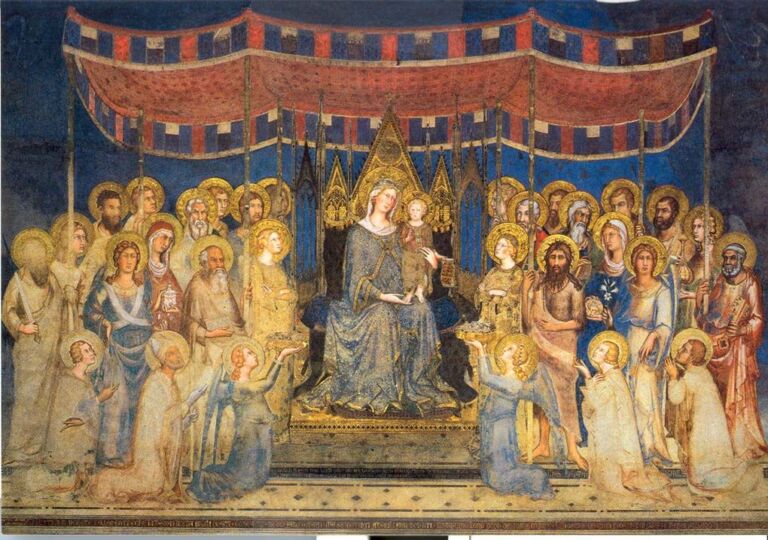 Gothic art
Mid-12th to early 16th century · Europe The art of cathedrals, stained glass and illuminated manuscripts, which in its late phase produced the refined International…
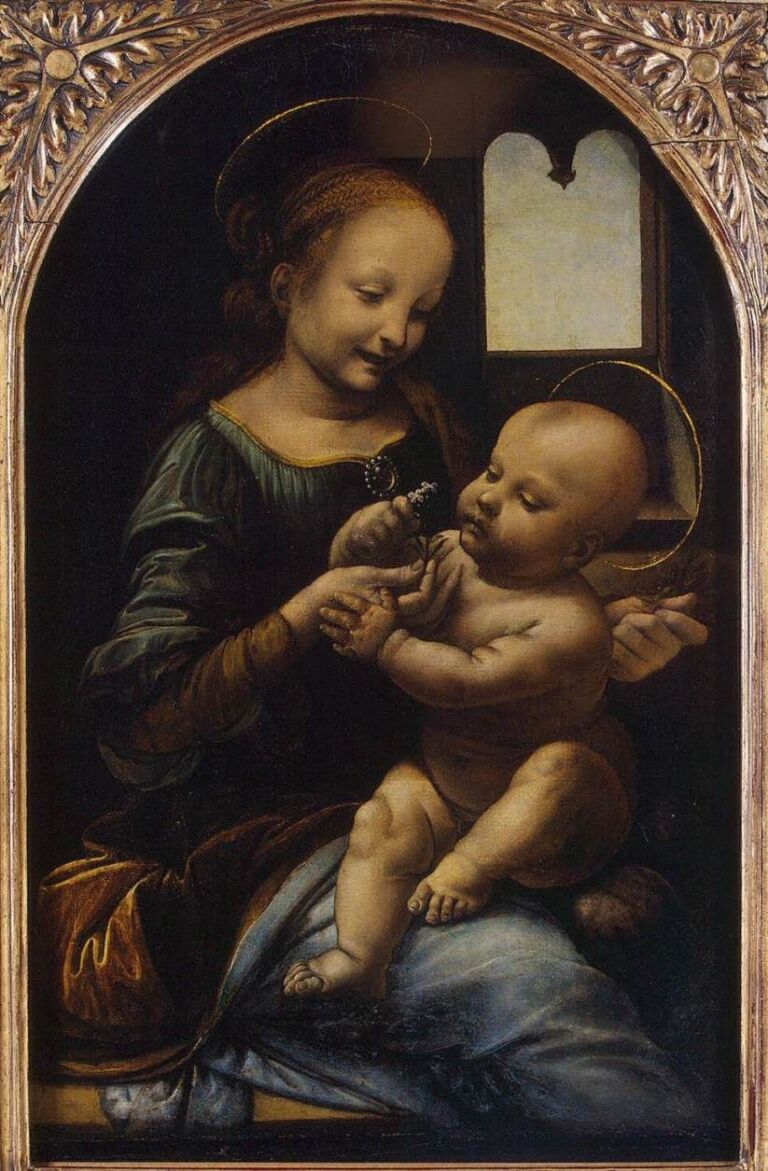 High Renaissance
Around 1490–1527 · Italy (Rome, Florence, Milan, Venice) Leonardo, Raphael, Michelangelo: the summit of Renaissance harmony.
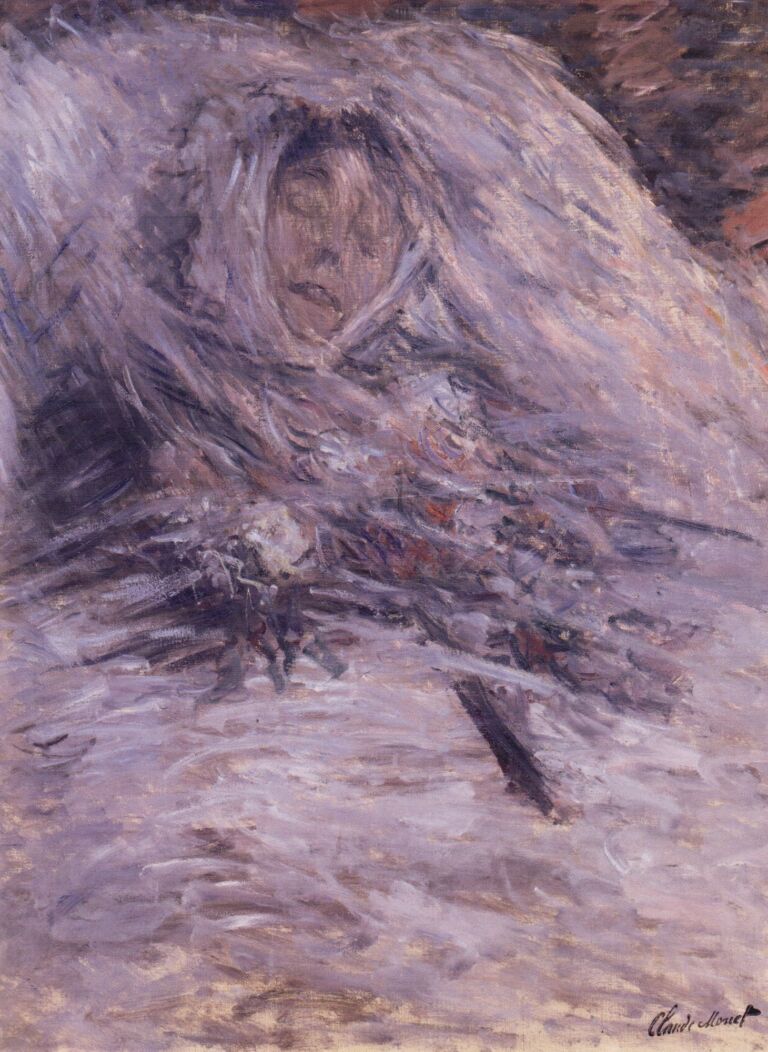 Impressionism
1860s–1880s · France Light, air and the fleeting moment instead of academic subjects.
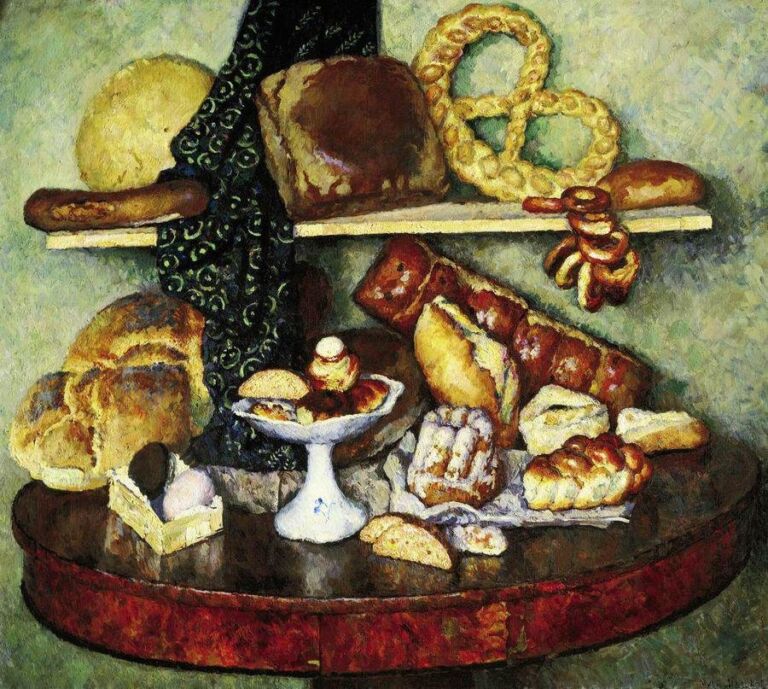 Jack of Diamonds
1910–1917 · Moscow Moscow's "Cézannists," who startled the public with blazing color, still lifes and the brashness of shop signs.
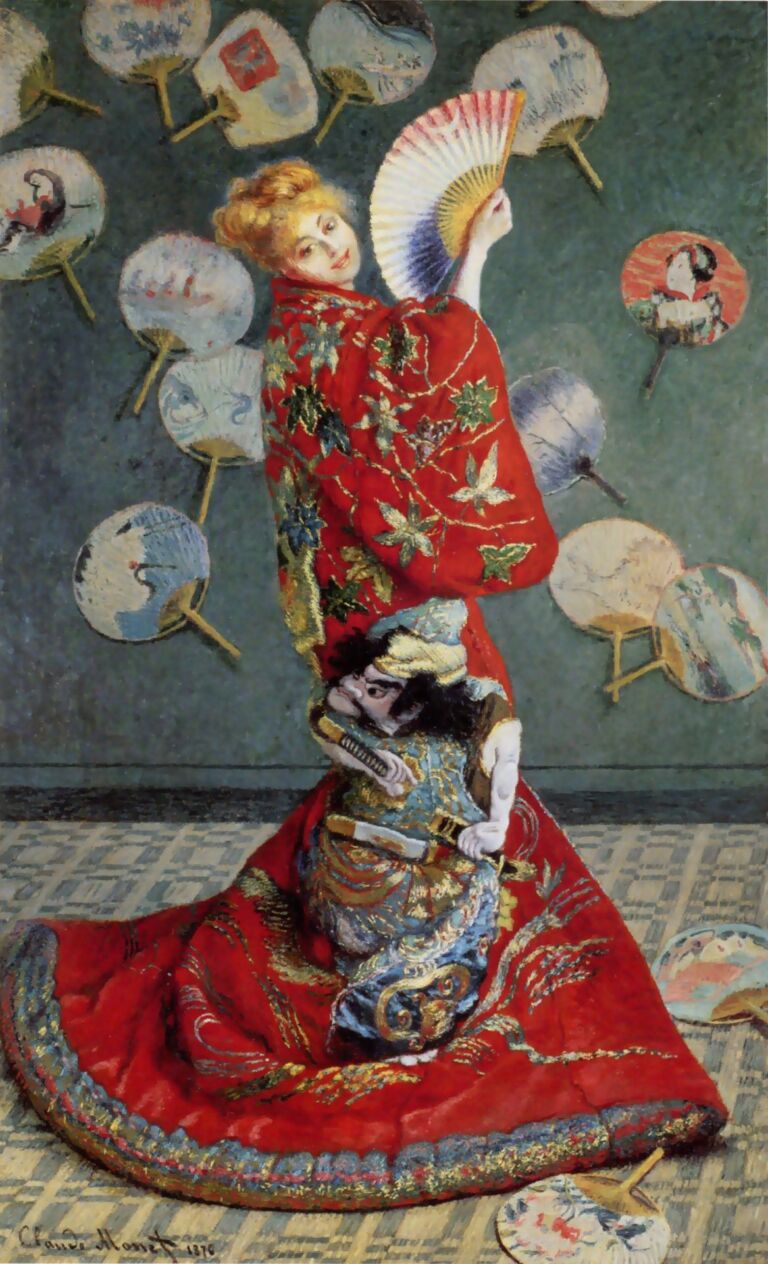 Japonisme
1860s–1900s · Europe and the United States A passion for Japanese art that changed composition and color in European painting.
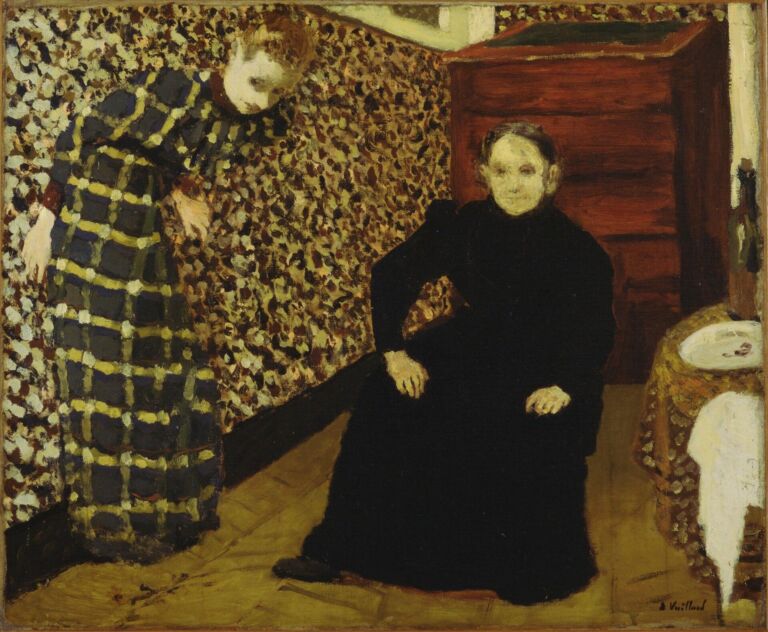 Les Nabis
1888–1899 · France The Paris "prophets" after Gauguin: flat color, decoration and the intimate interior.
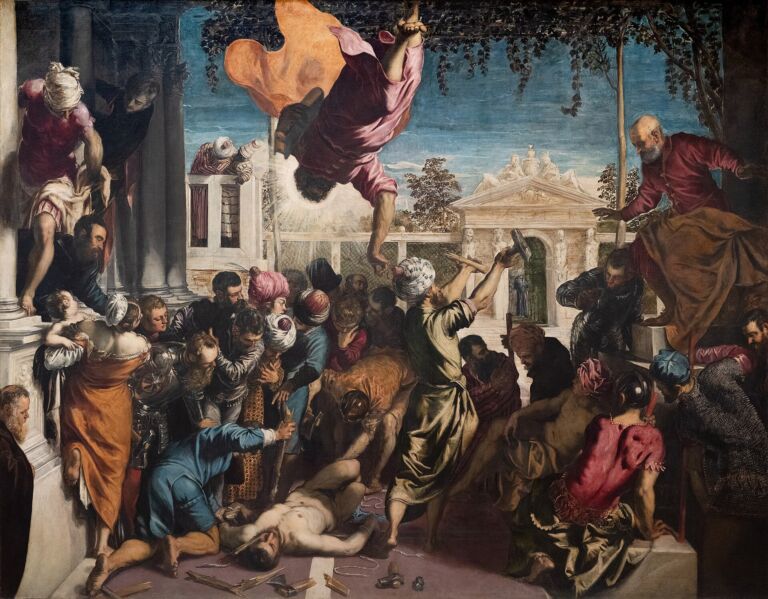 Mannerism
Around 1520–1600 · Italy, Europe Art after Raphael: elongated bodies, cool color and deliberate complexity.
Metaphysical painting
1910–1920 · Italy Empty squares, mannequins and shadows: Italian painting of unsettling silence.
Minimalism
1960s–1970s · USA An art of simple forms, pared down to essentials and stripped of expression.
Moscow Conceptualism
1970s–1980s · USSR, Moscow Moscow's unofficial school that explored the language of everyday Soviet life.
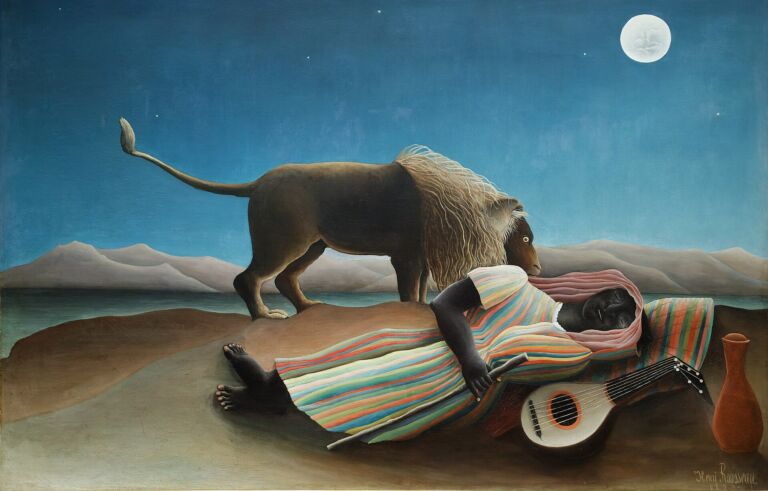 Naïve art
From the late 19th century · France and beyond The painting of self-taught artists, rediscovered by the professional avant-garde.
Naturalism
1870s–1890s · France Peasants and city outskirts without embellishment, painted outdoors with academic skill: Bastien-Lepage, Dagnan-Bouveret, Lhermitte.
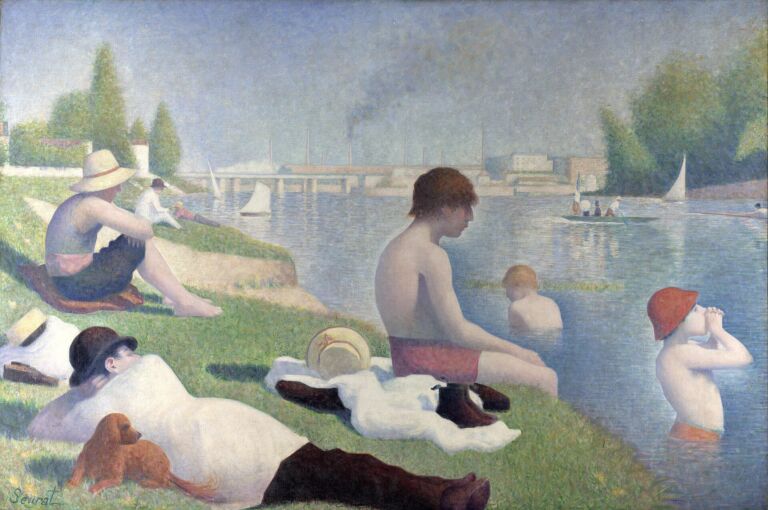 Neo-Impressionism
1886 to the early 20th century · France, Belgium A scientific sequel to Impressionism: pictures built from dots of pure color according to the laws of optics.
Neo-primitivism
c. 1907–1914 · Russia A branch of the Russian avant-garde that drew its strength from icons, lubok prints, shop signs and children's…
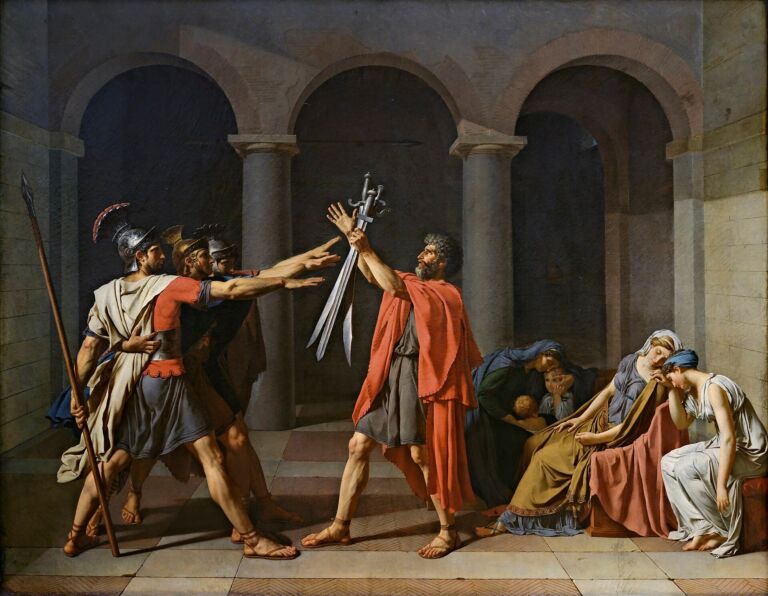 Neoclassicism
Around 1760–1830 · Europe A return to austere antiquity after the Rococo: civic virtue, crisp outline and restrained color.
Neoplasticism (De Stijl)
1917–1931 · Netherlands, France Painting in right angles and the three primary colors: the Dutch De Stijl group.
New Objectivity
1920–1933 · Germany The cold, precise and merciless realism of Weimar Germany.
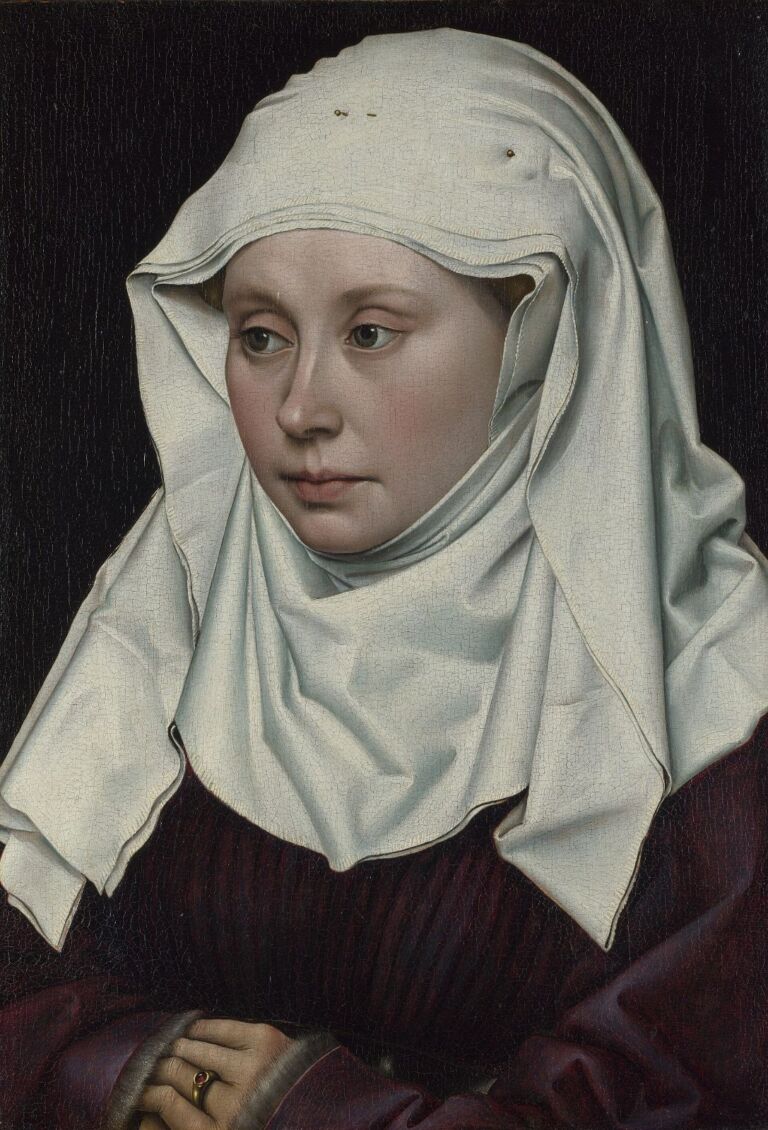 Northern Renaissance
15th–16th centuries · Netherlands, Germany The painting of the Netherlands and Germany, where the precision of oil paint met mysticism and everyday life.
Op art
1955–1970s · France, UK, USA, Venezuela Geometric abstraction that tricks the eye with the illusion of movement.
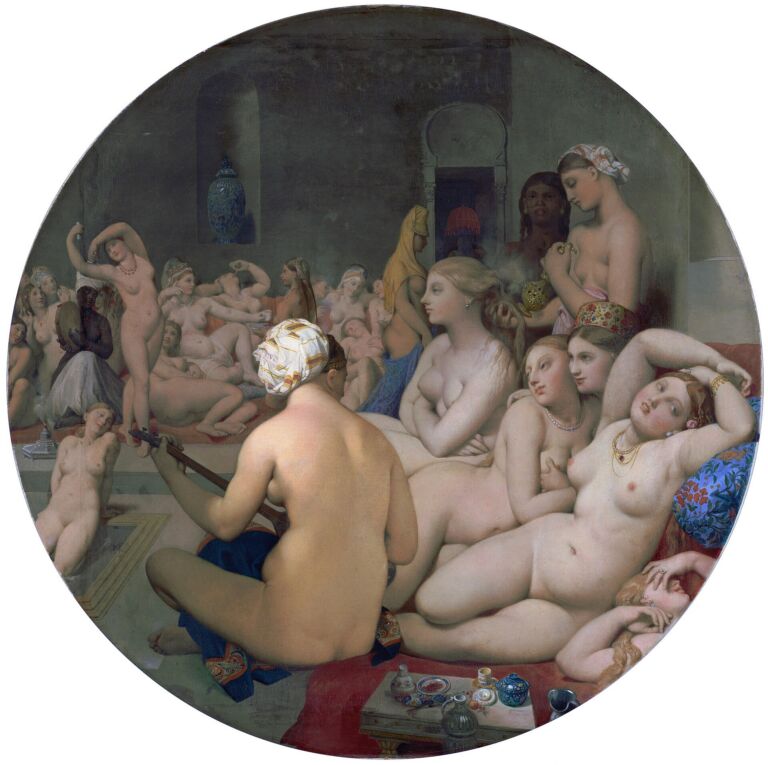 Orientalism
Late 18th to early 20th century · Europe and Russia The European view of the East: travel, exoticism and an imagined world of harems and bazaars.
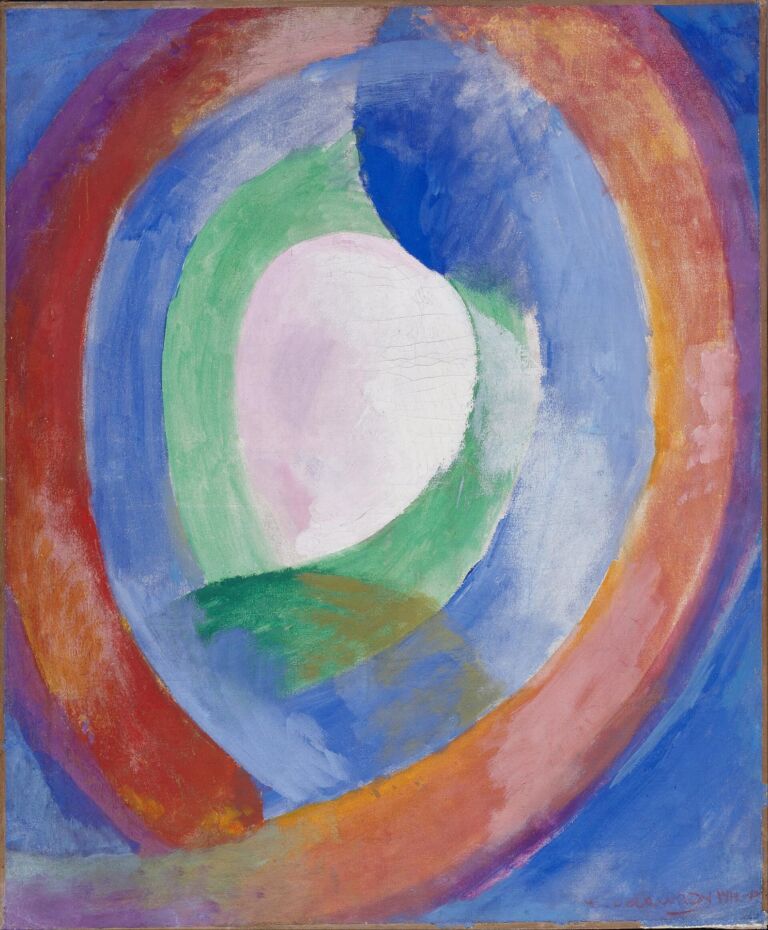 Orphism
1912–1914 · France (Paris) Cubism dissolved in color and light: painting close to music.
Pop art
Mid-1950s–1960s · UK, USA Art that took its material from advertising, comics and the supermarket.
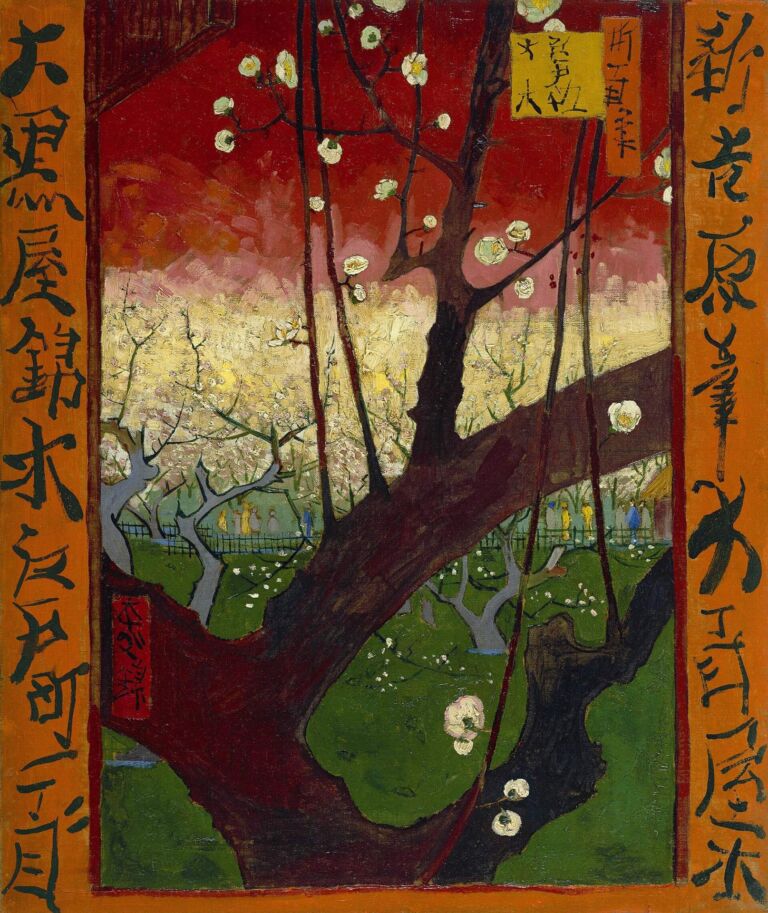 Post-Impressionism
1886–1905 · France After Impressionism: color, form and a personal vision instead of the passing moment.
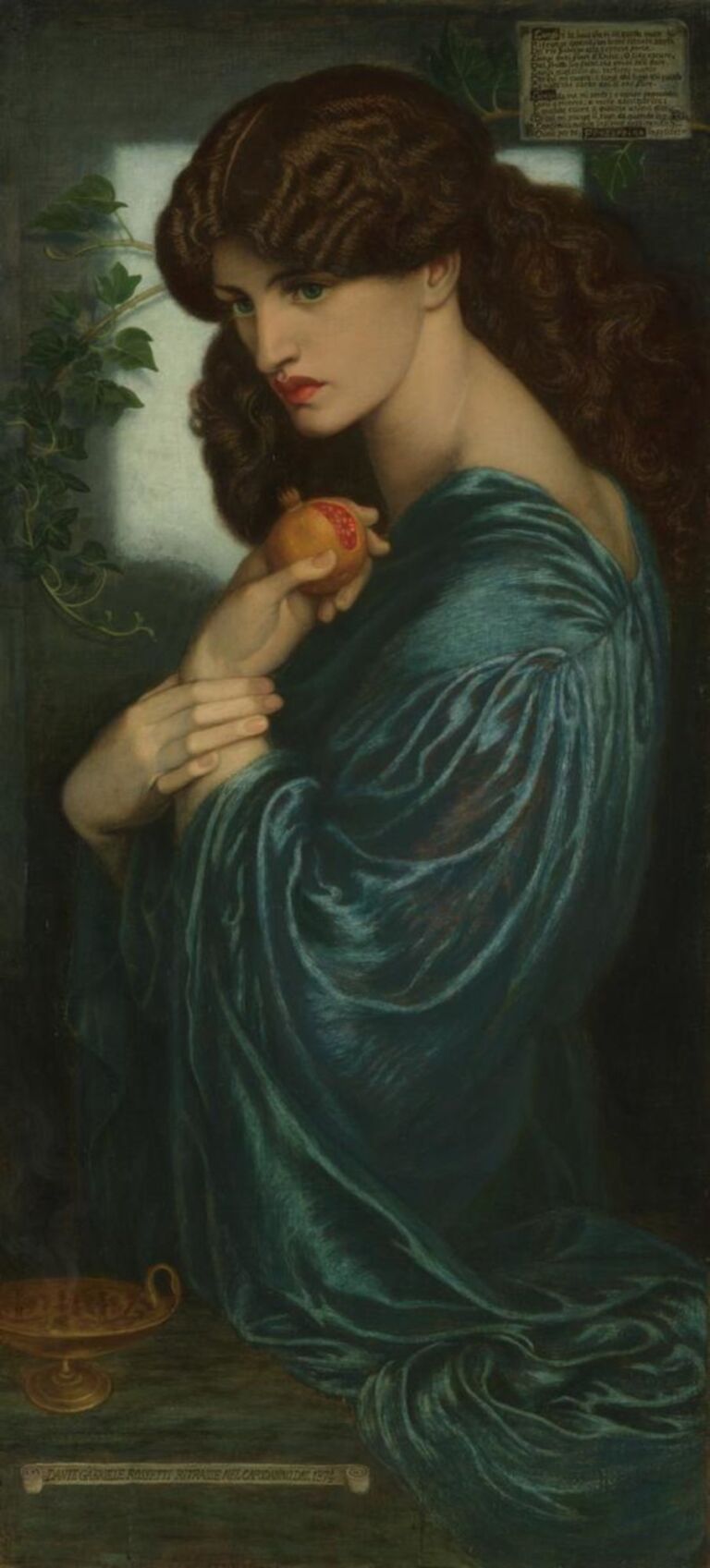 Pre-Raphaelites
1848 to the late 19th century · Britain English rebels who called for a return to the sincerity of painting before Raphael.
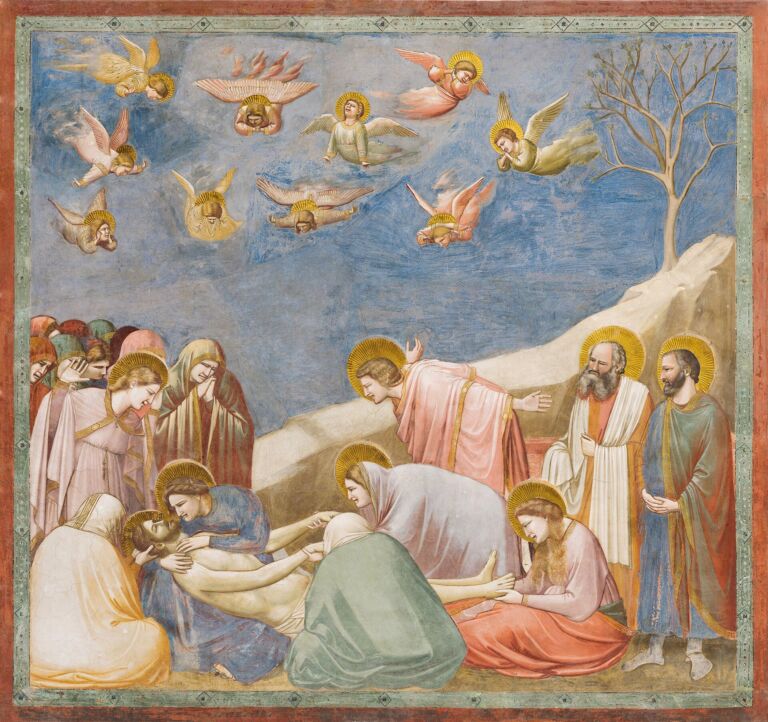 Proto-Renaissance
Late 13th–14th century · Italy The transitional era when Italian artists began to lead painting away from Byzantine convention toward a living, solid…
Rayonism
1912–1914 · Russia The first Russian non-objective system: painting the rays reflected off objects.
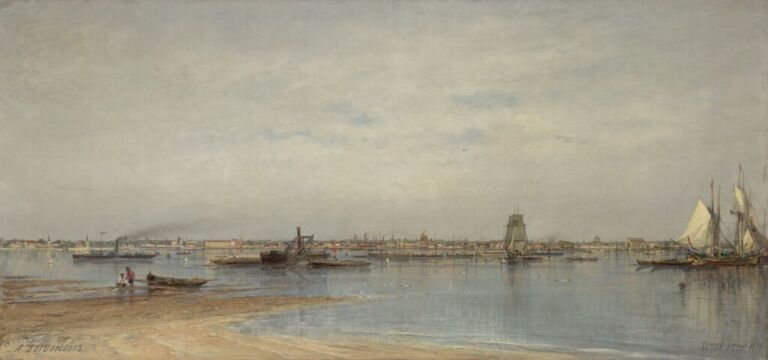 Realism
1840s–1880s · France, Europe and Russia Modern life as it is, without idealization or mythology.
Renaissance
Late 13th to 16th century · Italy, then Europe A return to antiquity and to man as the measure of all things.
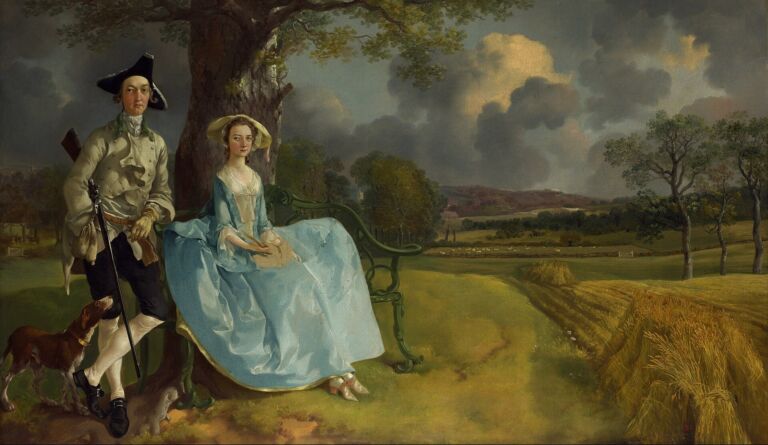 Rococo
Around 1720 to the 1770s · France, Europe The light, playful art of the 18th century: fêtes galantes, pastel tones and private life.
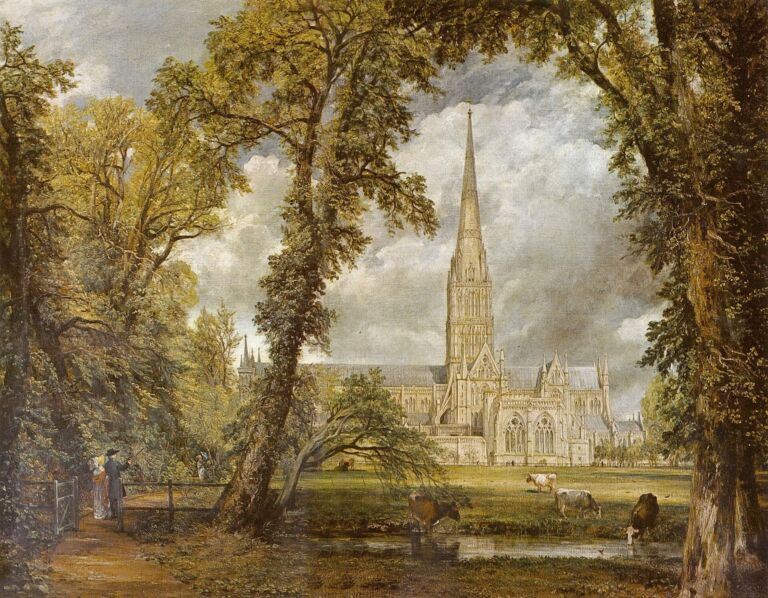 Romanticism
Late 18th to mid-19th century · Europe and Russia Feeling, the elements and the individual against the cool correctness of Neoclassicism.
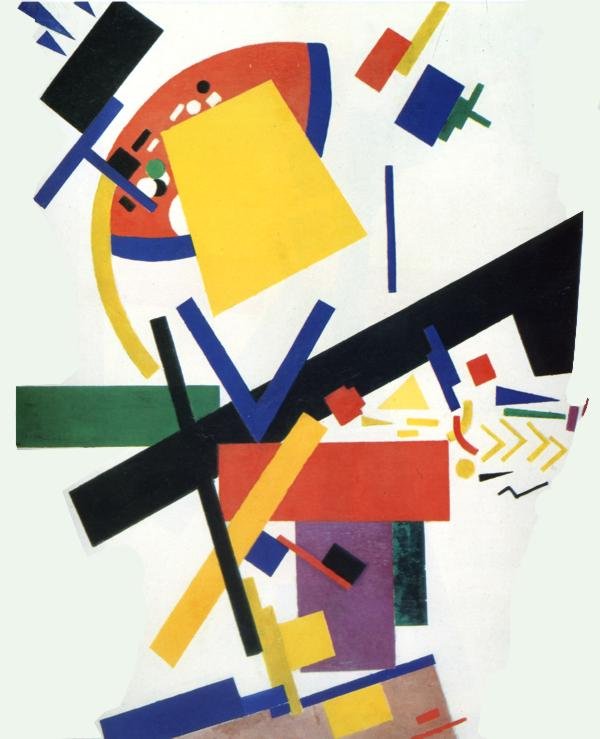 Russian avant-garde
1910–1932 · Russia, USSR Suprematism, Constructivism and Cubo-Futurism: art that rebuilt form from scratch.
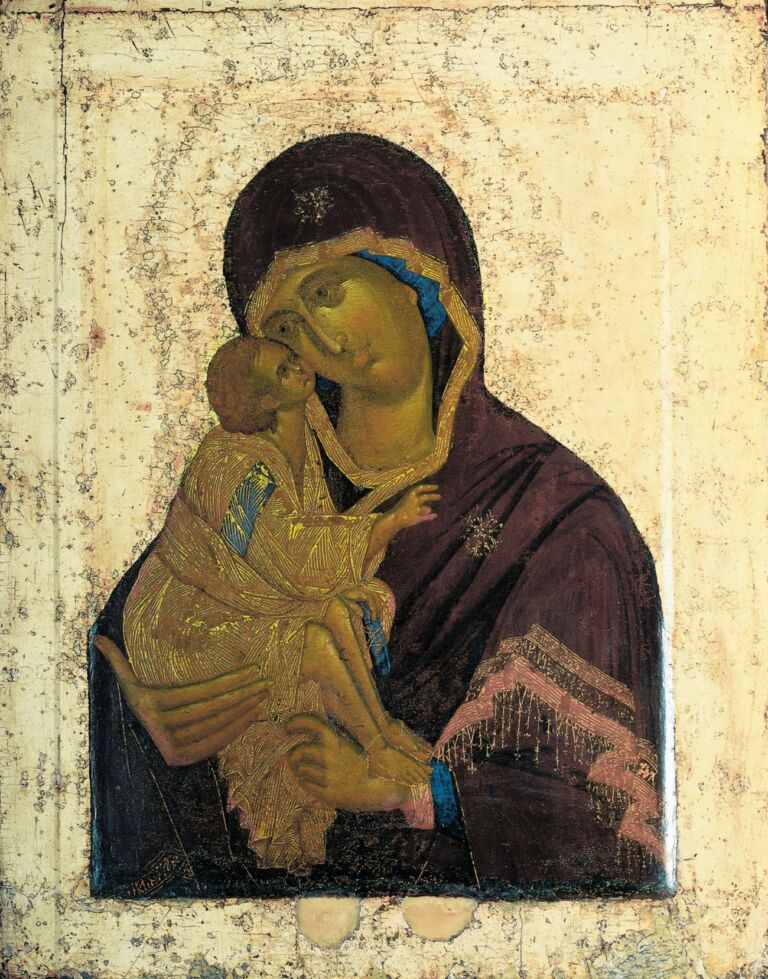 Russian icon painting
10th–17th centuries · Rus The art of the icon, which came from Byzantium with the conversion of Rus and over seven centuries…
School of Paris
1900s–1940s · Paris The émigré artists of Montparnasse, united by a city rather than a shared style.
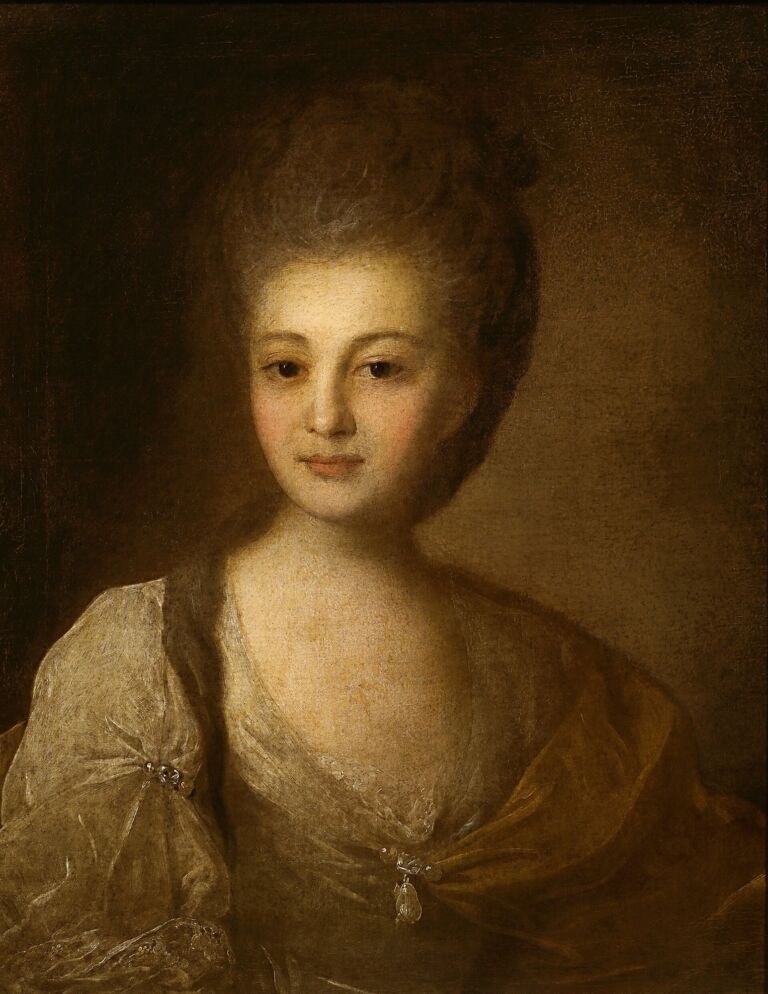 Sentimentalism
Second half of the 18th to early 19th century · Europe and Russia The art of sensibility: private life, family and quiet emotion instead of heroics.
Sienese school
Late 13th to 15th century · Siena, Italy Florence's rival: gold, lilting line and Gothic grace instead of austere form.
Socialist Realism
1932–1980s · USSR The official method of Soviet art and literature, compulsory for members of the creative unions.
Sots Art
1972–1980s · USSR, USA The Soviet answer to Pop art: a game with the images of official propaganda.
Soviet nonconformist art
1950s–1980s · USSR Art that existed outside the official Soviet system of exhibitions and commissions.
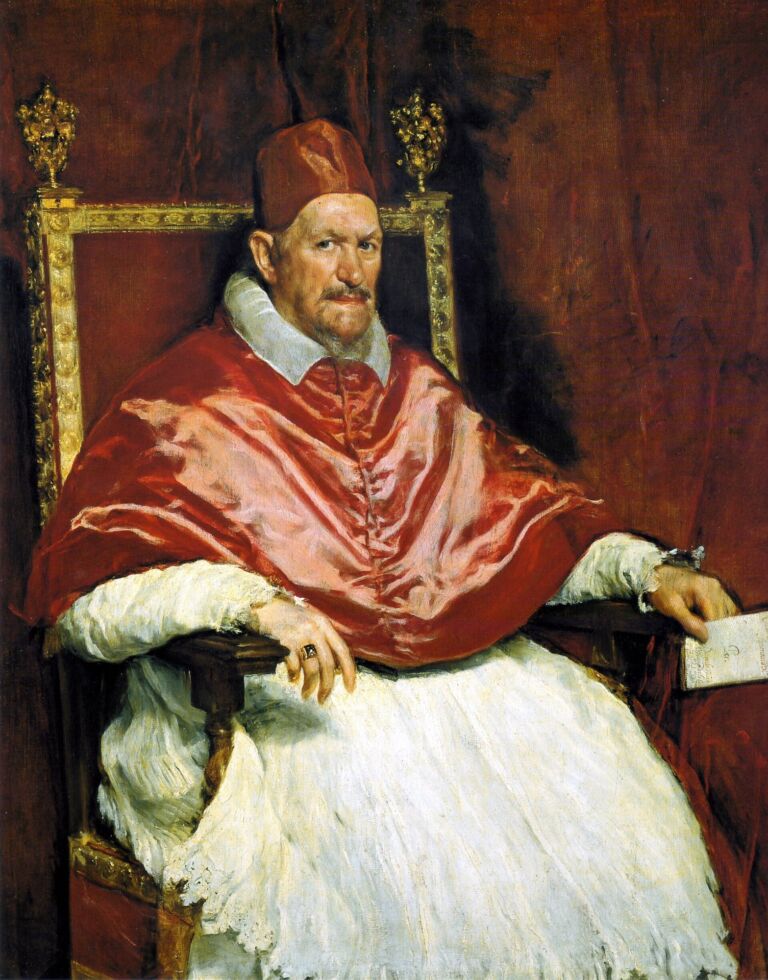 Spanish Golden Age painting
Late 16th to 17th century · Spain The age of Velázquez, Zurbarán and Murillo: austere religious painting and great court portraiture.
Suprematism
1915 to the late 1920s · Russia Pure geometric forms on white: painting without objects.
Surrealism
1924 to the late 1960s · France, Europe, the United States, Mexico The logic of dreams and the unconscious, carried onto canvas.
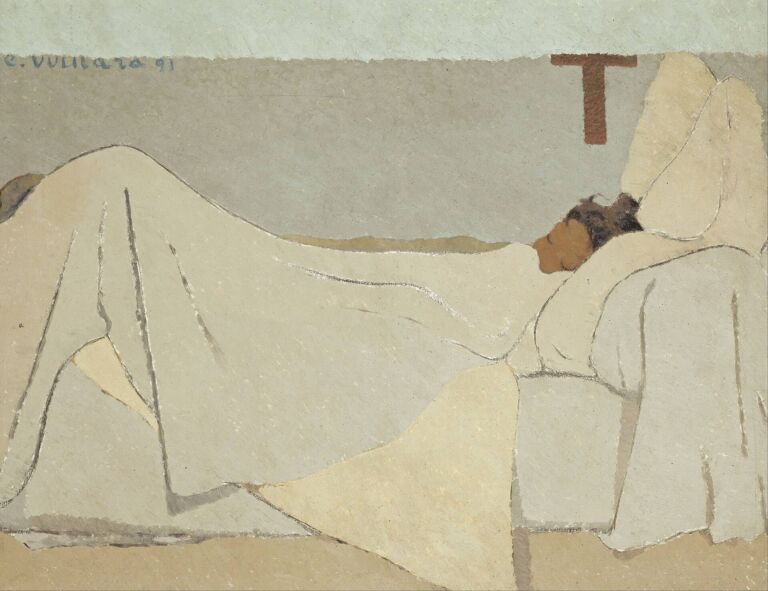 Symbolism
1880s–1910s · Europe and Russia The world beyond the visible: dream, myth and mystery instead of description.
The Peredvizhniki (Wanderers)
1870–1923 · Russia The society that took painting on tour across the Russian Empire and made the ordinary contemporary the hero…
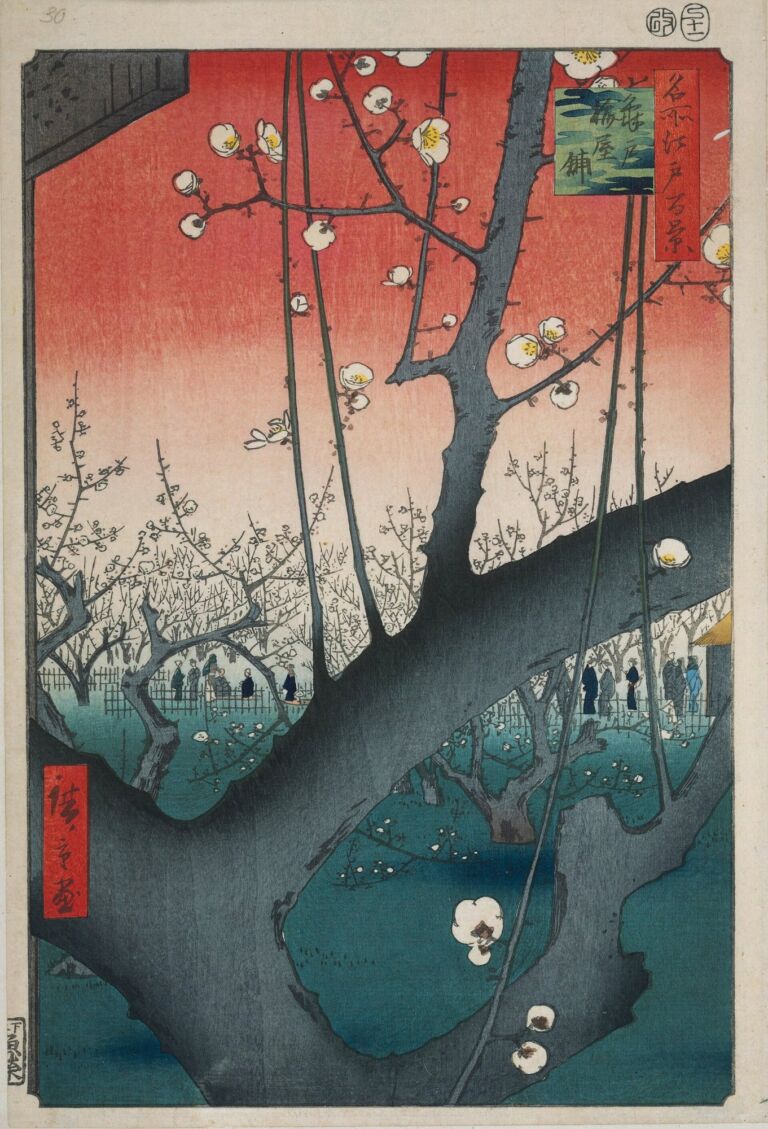 Ukiyo-e
17th–19th centuries · Japan Japanese prints of the "floating world": actors, beauties and landscapes of the Edo period.
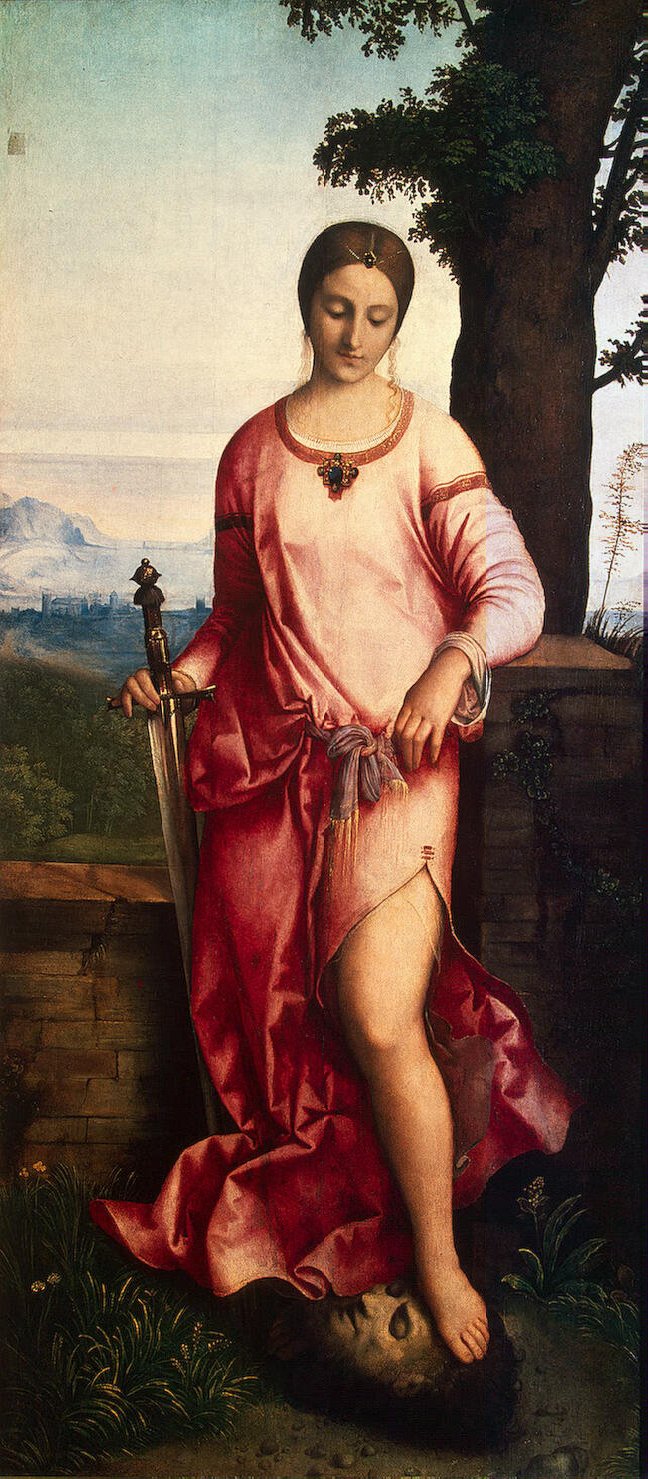 Venetian school
Late 15th to 18th century · Venice The painting of Venice, which made color and oil on canvas its protagonists.
Vienna Secession
1897–1905 (the association still exists) · Vienna, Austria The union of Austrian artists, led by Klimt, that broke with the academy for the sake of new…
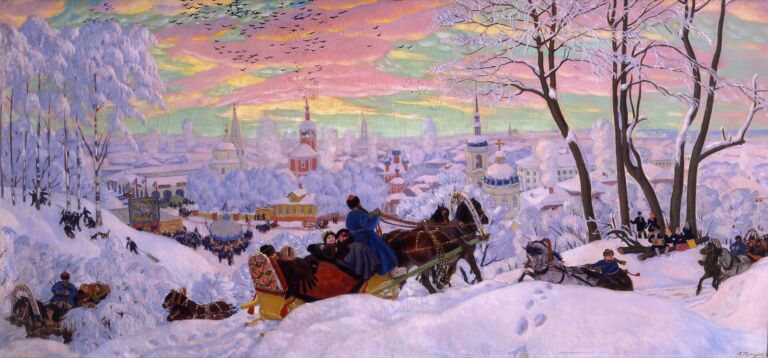 World of Art
1898–1924 · Russia The St Petersburg circle of Benois, Diaghilev and Somov that gave Russian art back a taste for style…