Art movement
Romanticism
Late 18th to mid-19th century · Europe and Russia
About the movement
In the autumn of 1810 a Berlin newspaper edited by Heinrich von Kleist ran a short piece on a new picture by a Dresden landscape painter. Standing before Caspar David Friedrich's Monk by the Sea, Kleist wrote, you feel as if your eyelids had been cut away. The painting (a tiny figure, a strip of sand, a dark sea and an immense sky) was bought by the King of Prussia. German Romanticism had found its emblem in paint: a lone human being face to face with infinity.
The word came from literature. In the late 1790s Friedrich Schlegel, writing in the journal Athenaeum, called "romantic" a poetry that is forever becoming and never finished. In painting, Romanticism meant a revolt against Neoclassicism, with its cult of antiquity, crisp drawing and universal rules. Feeling and imagination now mattered more than rules; the individual took the place of the ideal hero, and the elements (storm, fire, shipwreck) took the place of balanced composition. Landscape, near the bottom of the academic hierarchy of genres, rose to the rank of history painting. And history itself was no longer only ancient: the Romantics painted what had happened yesterday.
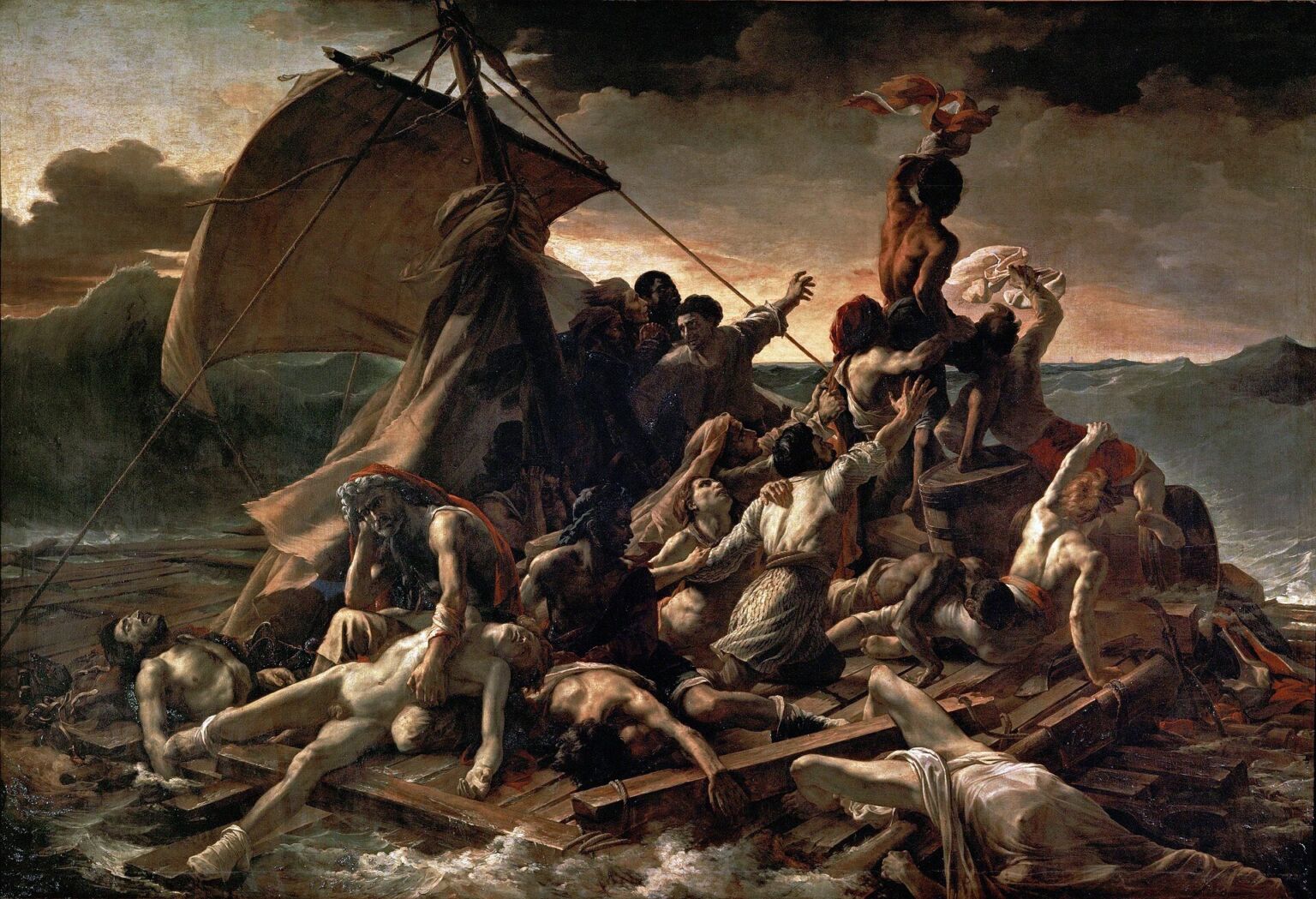
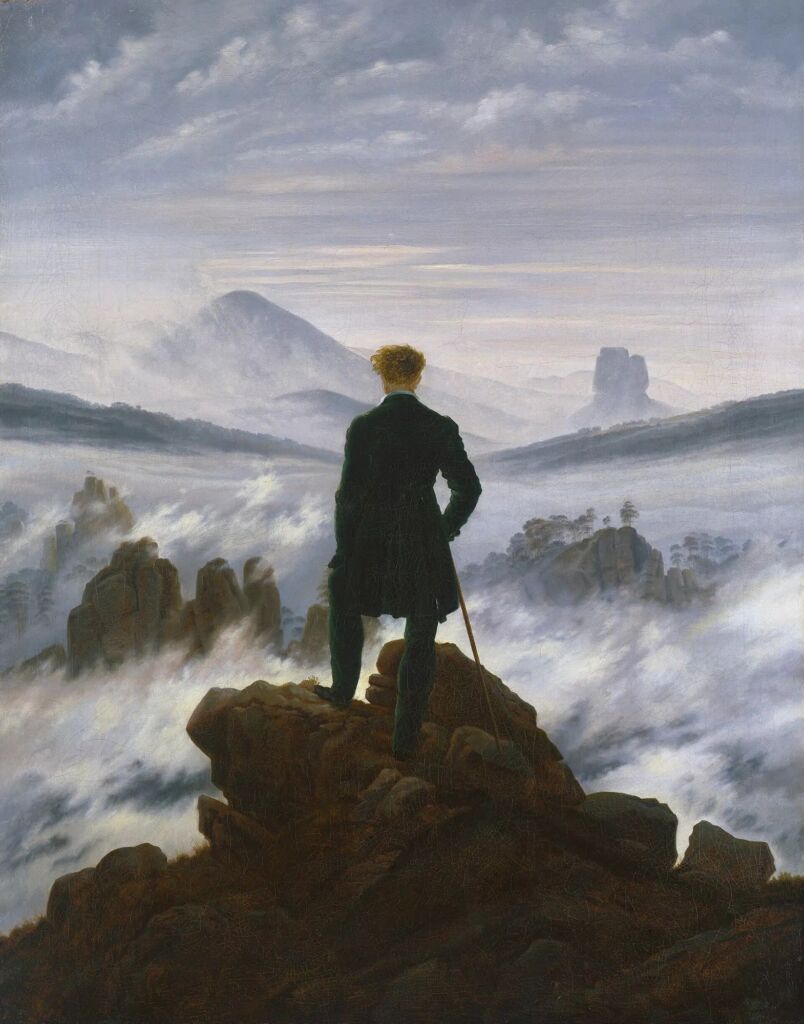
The loudest example is Théodore Géricault's The Raft of the Medusa (1818–1819, Louvre), a vast canvas about a real shipwreck of 1816 that turned into a political scandal. Eugène Delacroix answered with The Massacre at Chios (1824), on the Greek War of Independence, and Liberty Leading the People (1830), on the July Revolution; both are in the Louvre. In England, J. M. W. Turner painted The Fighting Temeraire (1839) and Rain, Steam and Speed (1844), both in the National Gallery, London. In Spain, Francisco Goya painted The Third of May 1808 in Madrid (1814, Prado). Friedrich followed the Monk with Wanderer above the Sea of Fog (around 1817, Hamburger Kunsthalle).
The Romantics were accepted grudgingly. At the Salon of 1824 the French state bought The Massacre at Chios for 6,000 francs, yet Antoine-Jean Gros reportedly called it "the massacre of painting." Jean-Auguste-Dominique Ingres saw "fever and epilepsy" in the new manner. The quarrel between Delacroix and Ingres, color against line, dominated French art for a quarter of a century. John Constable, a great landscape painter himself, said Turner painted with "tinted steam."
Russia had a Romantic movement of its own. Orest Kiprensky painted Alexander Pushkin's portrait (1827, State Tretyakov Gallery), and the poet answered in verse: "I see myself as in a mirror." Karl Bryullov showed The Last Day of Pompeii (1830–1833) in Rome and Milan and won a gold medal at the Paris Salon of 1834; the poet Yevgeny Baratynsky hailed it as "the first day for the Russian brush." In The Ninth Wave (1850), Ivan Aivazovsky made the raging sea a national subject; both pictures are in the State Russian Museum. In 1821 the poet Vasily Zhukovsky visited Friedrich in Dresden and brought his work back to Russia; some of it is now in the Hermitage.
By the middle of the century Romanticism gave way to Realism: Gustave Courbet set himself squarely against its exotic subjects and heroes. Yet its legacy was enormous. The Impressionists took up Turner's free brushwork and Delacroix's color, and the Romantic idea of the artist's self pitted against the world passed to the Symbolists and the Expressionists. Friedrich, all but forgotten after his death in 1840, was rediscovered only at the 1906 exhibition of German art in Berlin, and has since come to be seen as perhaps the central German painter of the 19th century.
Artists
Major works
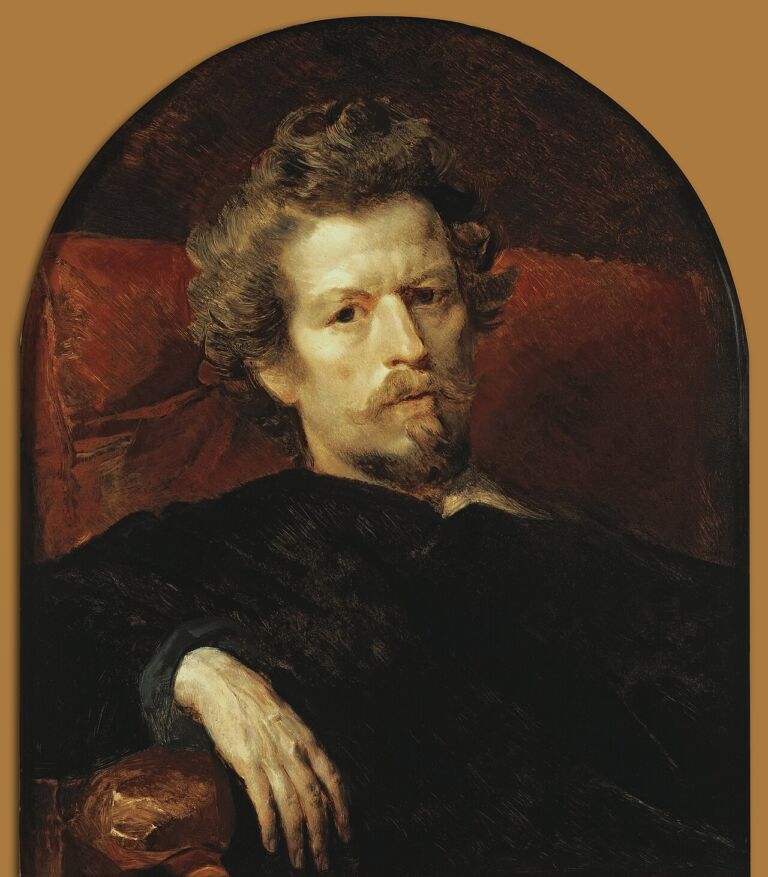
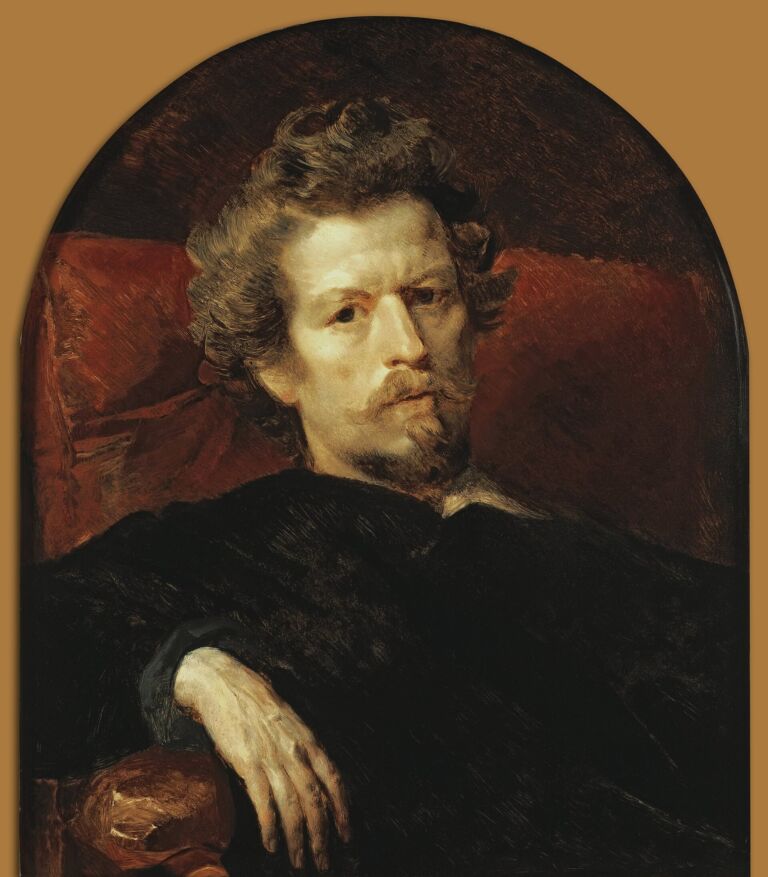 Self-PortraitKarl Bryullov · 1848
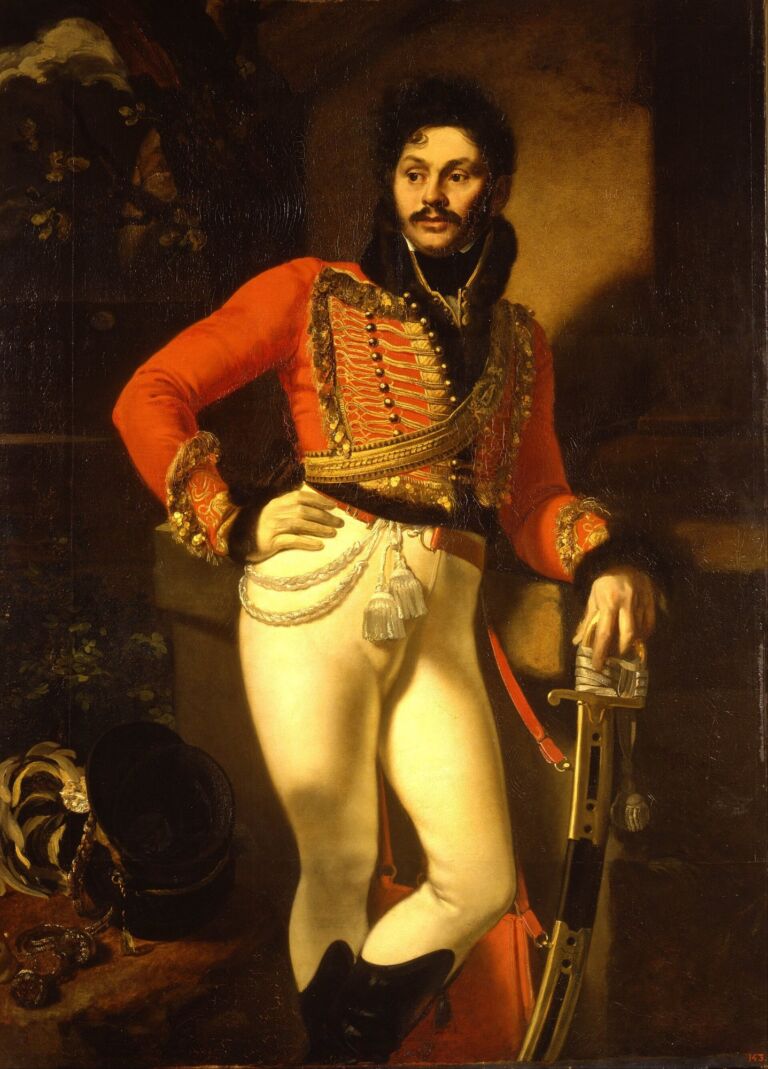 Portrait of Life Guard Colonel Yevgraf DavydovOrest Kiprensky · 1809
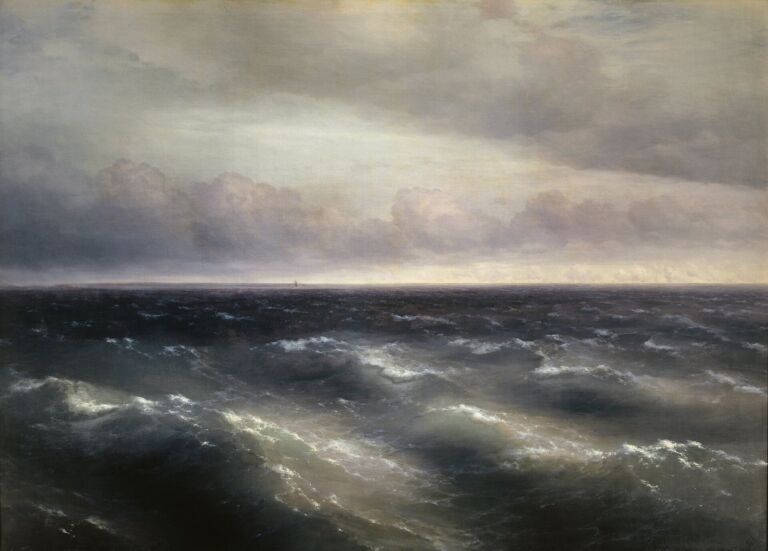 The Black SeaIvan Aivazovsky · 1881
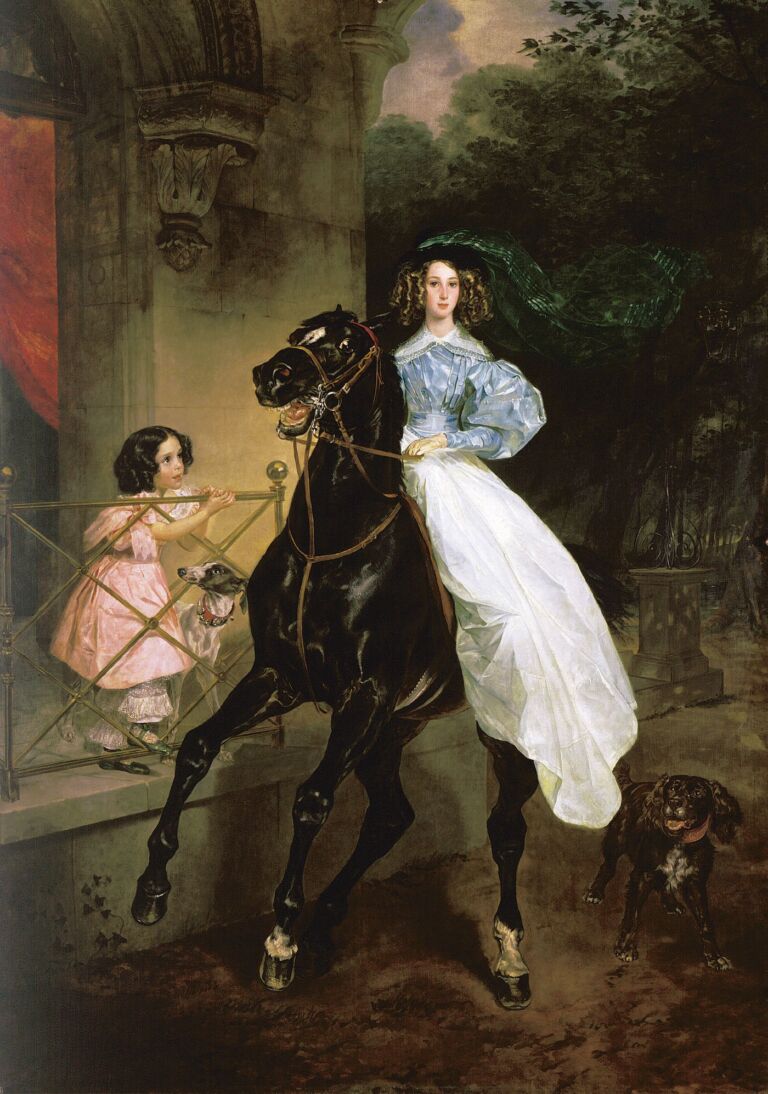 HorsewomanKarl Bryullov · 1832
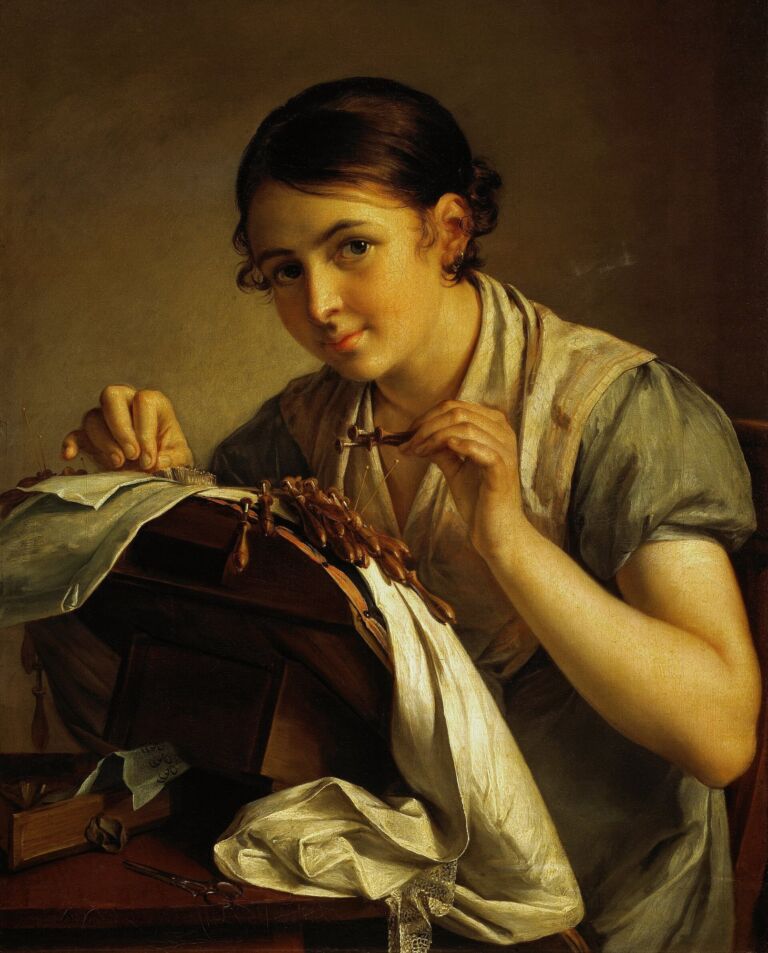 The LacemakerVasily Tropinin · 1823
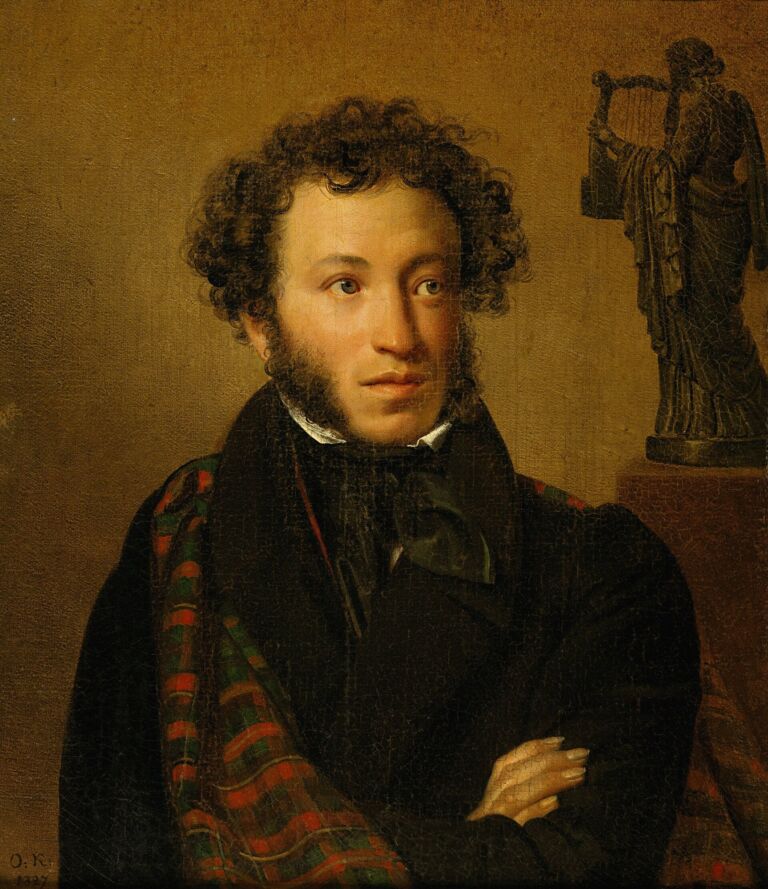 Portrait of Alexander PushkinOrest Kiprensky · 1827
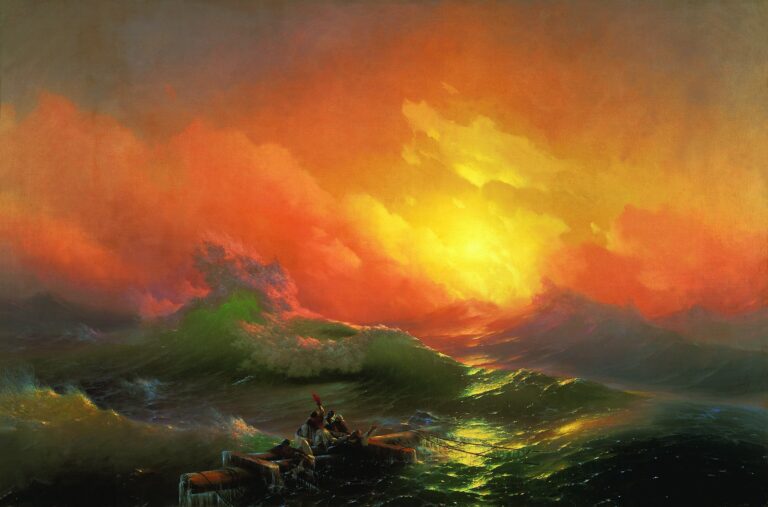 The Ninth WaveIvan Aivazovsky · 1850
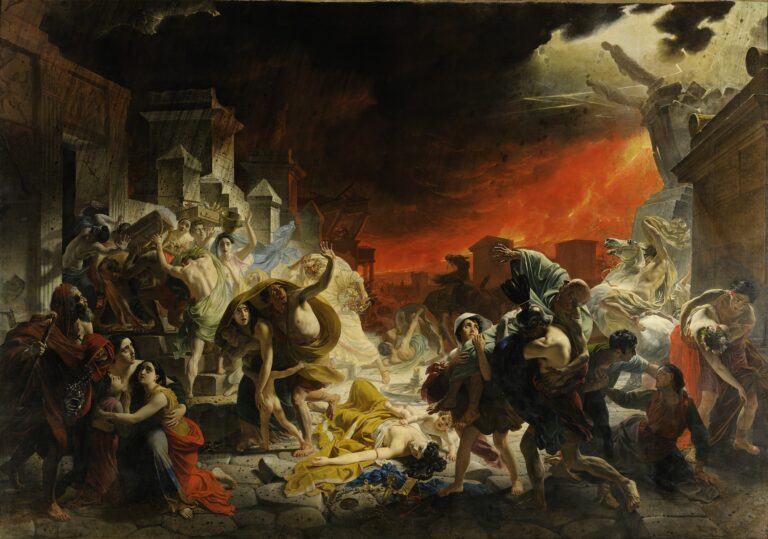 The Last Day of PompeiiKarl Bryullov · 1833
Stories
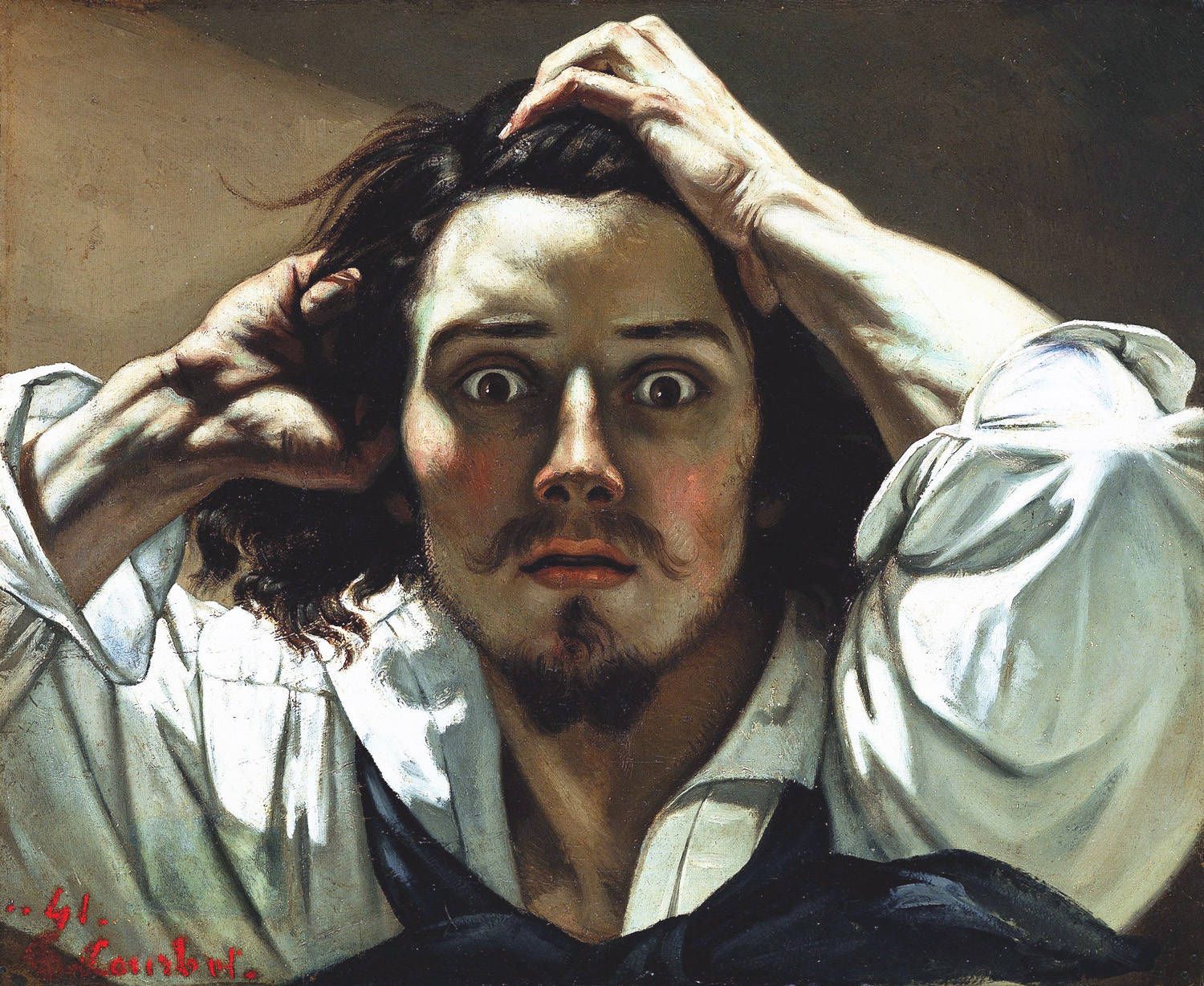
Courbet’s Desperate Man: the self-portrait he hid for nearly 30 years
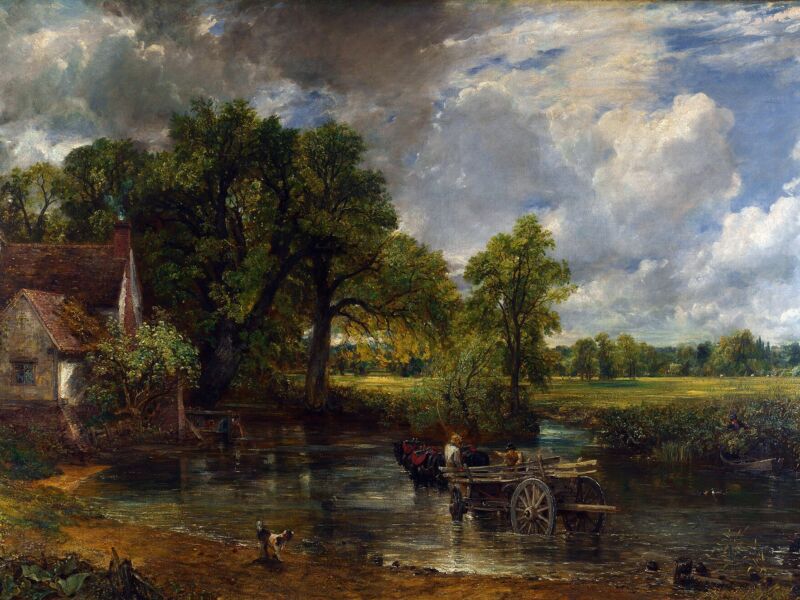
The Hay Wain: the painting London passed over and Paris gave a gold medal
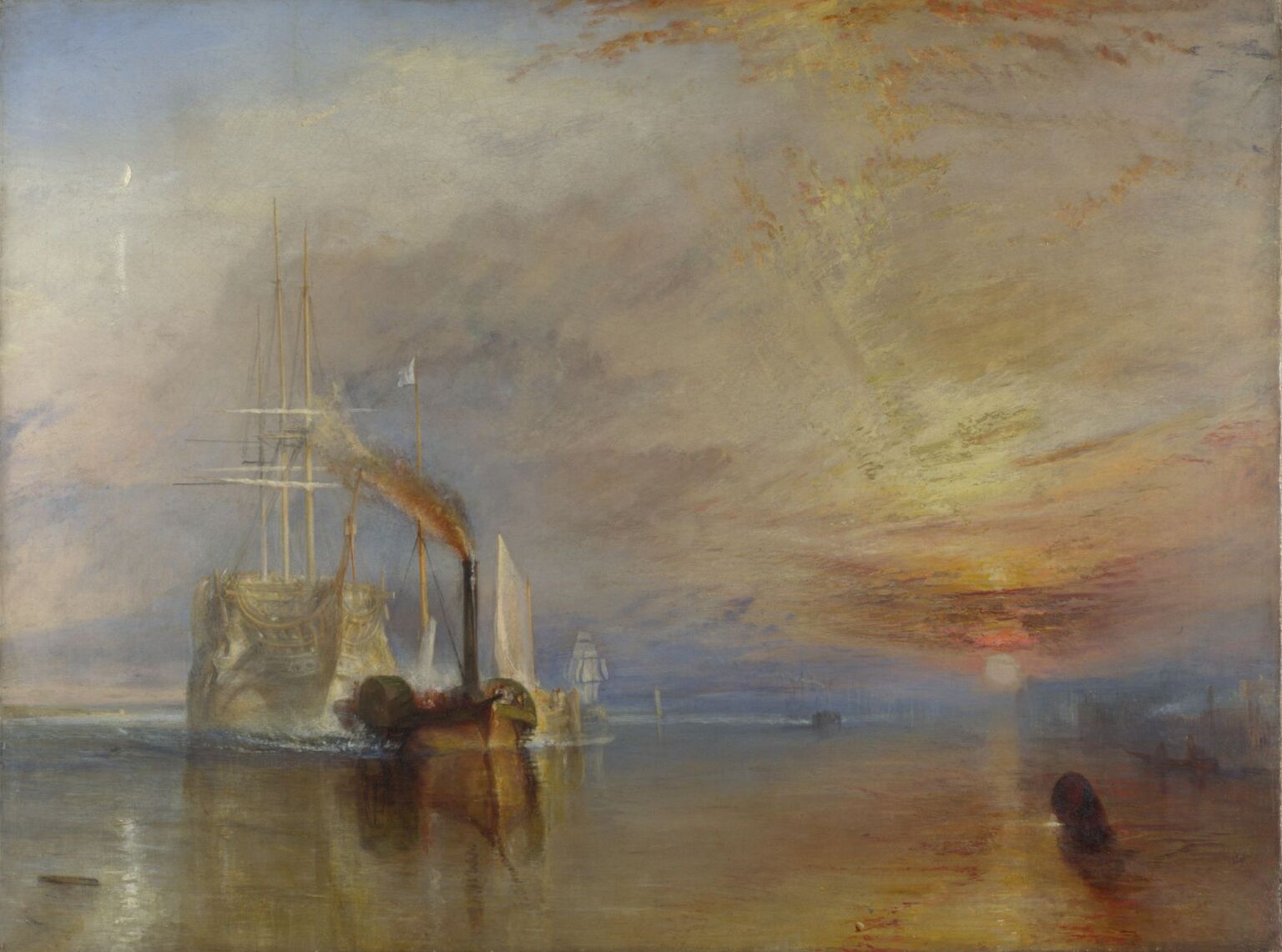
Why did Turner put the masts back on the Fighting Temeraire?
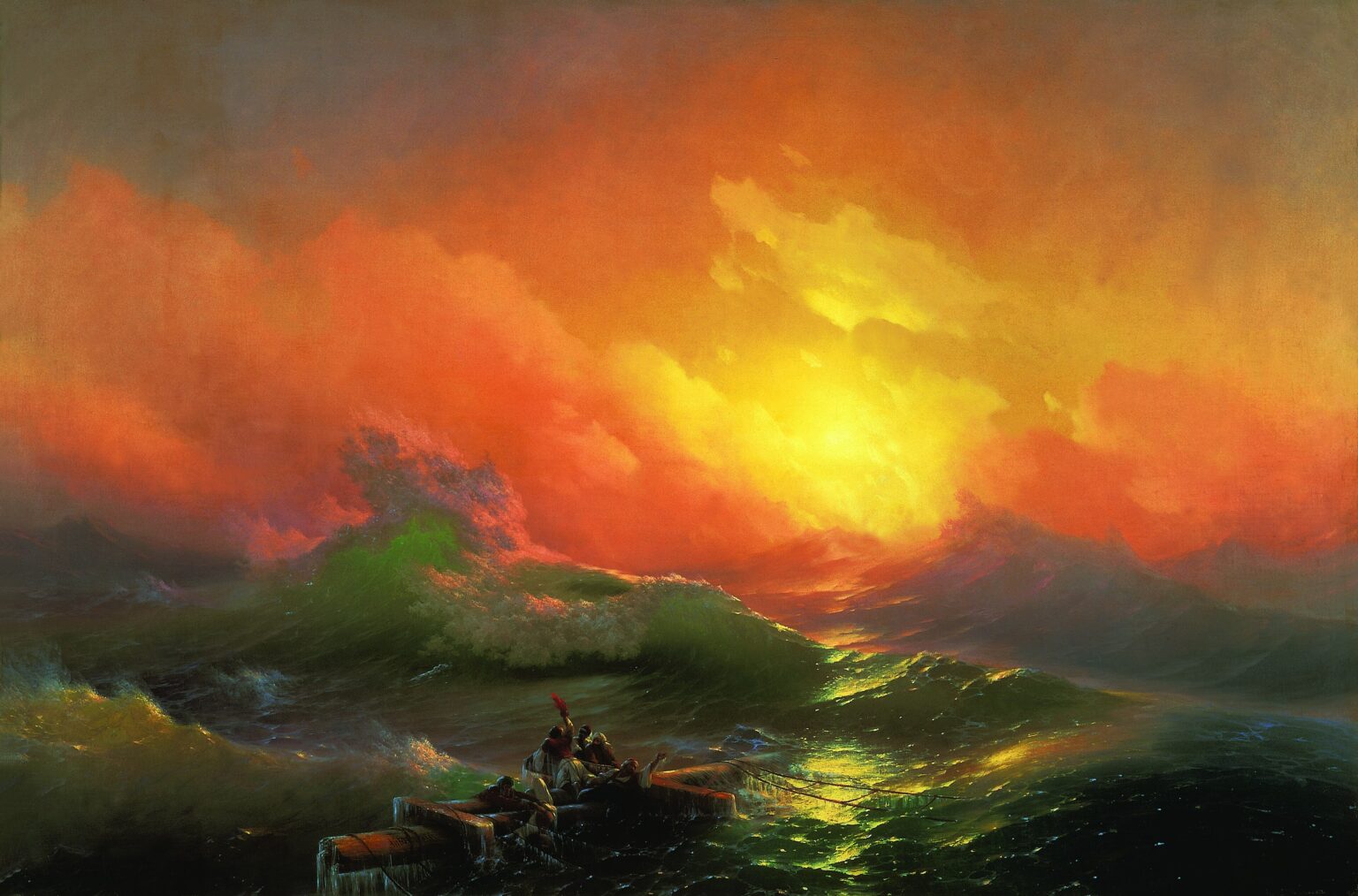
The Ninth Wave: Aivazovsky and the wave that sailors feared most
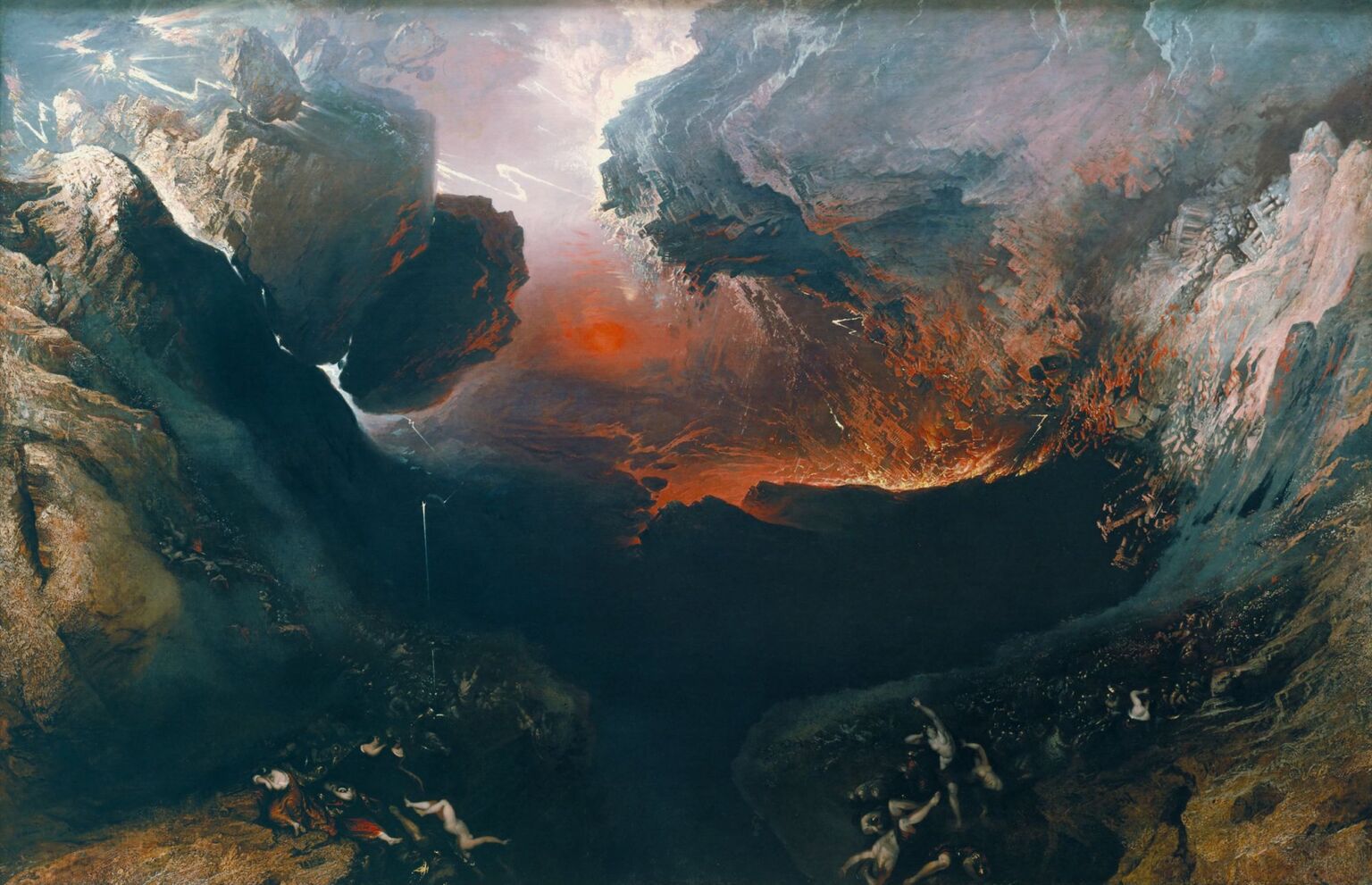
The volcano that vanished from John Martin’s Destruction of Pompeii for 83 years
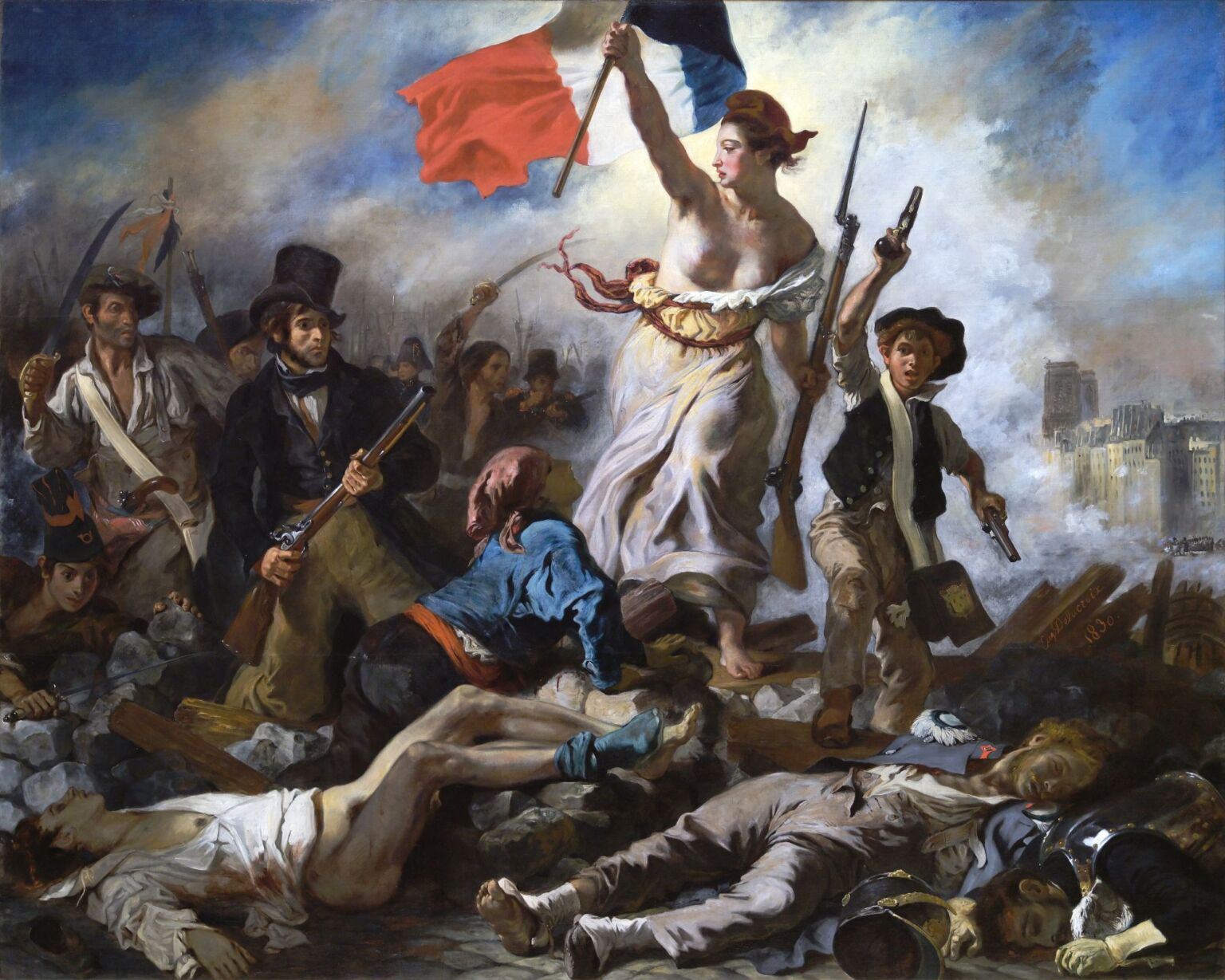
Under the yellow, gray: what restorers found on Liberty’s dress