Art movement
Post-Impressionism
1886–1905 · France
About the movement
"On or about December 1910 human character changed," Virginia Woolf wrote in 1924. She had in mind the exhibition that the critic Roger Fry opened at the Grafton Galleries in London on November 8, 1910: "Manet and the Post-Impressionists." It was the public's first chance to see Cézanne, Gauguin and Van Gogh in such depth, and London laughed and fumed until the show closed in January 1911. Fry admitted he had picked the name as the vaguest and most noncommittal he could find: it said only that these artists came after Impressionism.
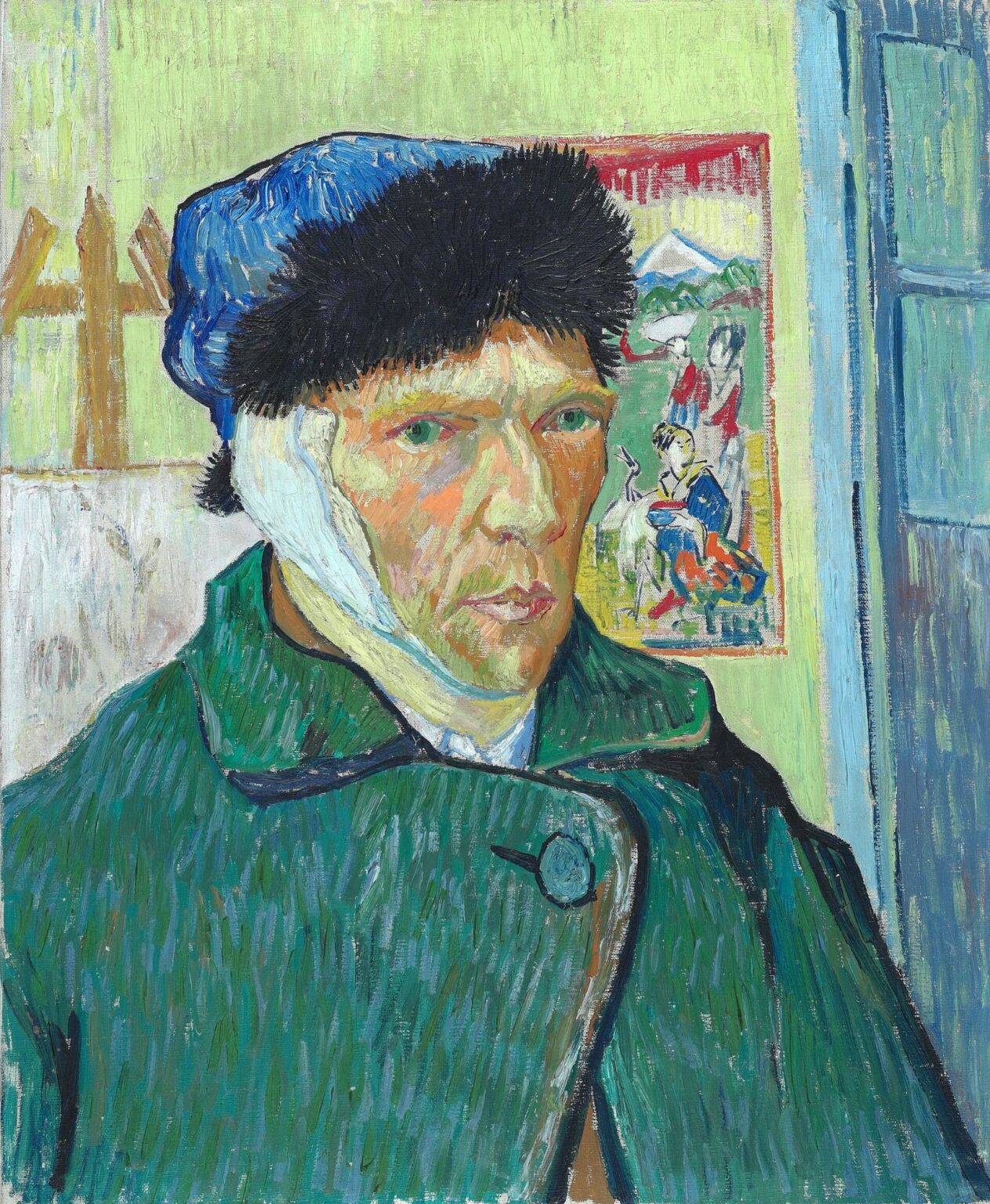
The vagueness is honest. Post-Impressionism was neither a group nor a school; its members were often not friends and some never even met. What they shared was this: each had passed through Impressionism and decided that capturing a fleeting impression was not enough. Paul Cézanne, in Maurice Denis's words, wanted to make of Impressionism "something solid and durable, like the art of the museums," and in 1904 he advised Émile Bernard to treat nature "by means of the cylinder, the sphere, the cone." Georges Seurat turned the brushstroke into a scientific system of dots. Paul Gauguin sought the symbol and flat, pure color; Vincent van Gogh, the expression of feeling; Henri de Toulouse-Lautrec, a sharp line for the city at night.
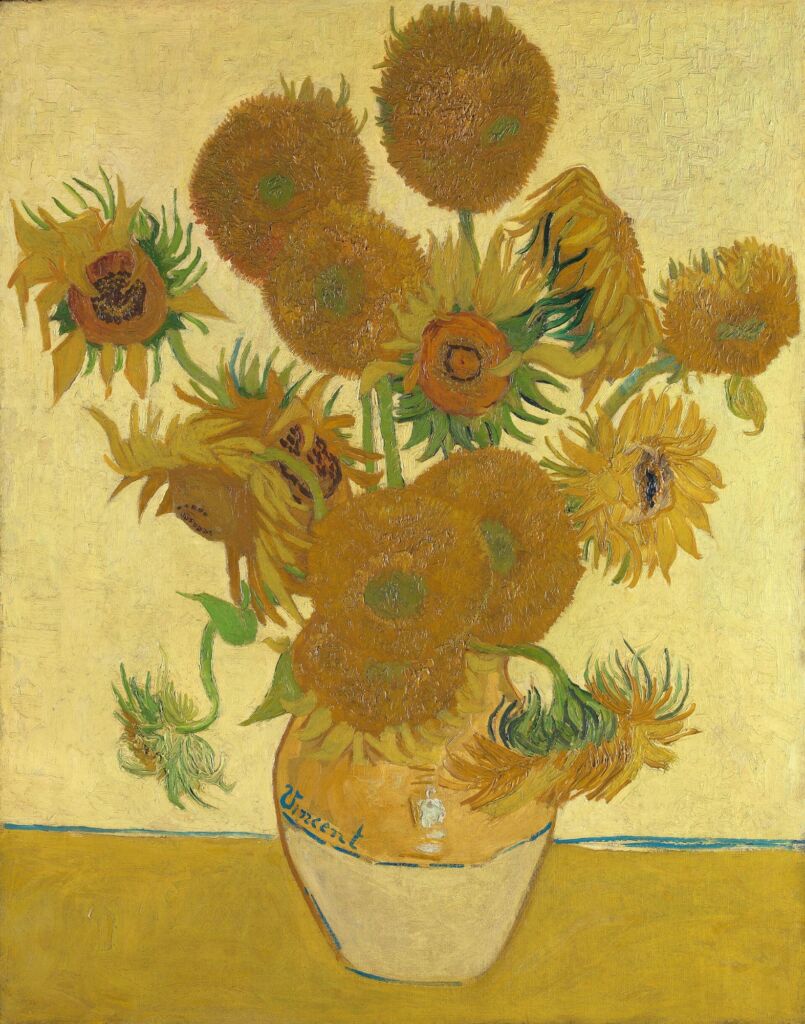
The usual starting point is 1886, the year of the last Impressionist exhibition, where Seurat showed A Sunday on La Grande Jatte (now in the Art Institute of Chicago) and the critic Félix Fénéon coined the term "Neo-Impressionism." In Arles in 1888 Van Gogh painted the Sunflowers, Café Terrace at Night (Kröller-Müller Museum) and The Red Vineyard in Arles, and at Saint-Rémy The Starry Night (1889, Museum of Modern Art, New York). Cézanne produced Mont Sainte-Victoire with Large Pine (around 1887, Courtauld Gallery) and the Card Players series (1890–1895). In Tahiti, Gauguin created The King's Wife (1896) and Where Do We Come From? What Are We? Where Are We Going? (1897). Toulouse-Lautrec painted At the Moulin Rouge (1892–1895, Chicago).
Recognition did not come to all of them in their lifetimes. Van Gogh sold very little; in 1890, at the Brussels exhibition of Les XX, the painter Anna Boch bought The Red Vineyard for 400 francs. This is usually called his only sale during his lifetime, though historians have turned up a few other small transactions. Cézanne hardly exhibited until the mid-1890s, when the dealer Ambroise Vollard gave him a solo show in 1895. The London press of 1910, meeting these artists for the first time, wrote with one voice of madness and charlatanism.
Russia's part in the Post-Impressionist story is exceptional. In the dining room of his Moscow mansion Sergei Shchukin hung an "iconostasis" of sixteen Tahitian Gauguins, a wall of pictures like the icon screen of an Orthodox church, and Ivan Morozov collected Cézanne and Van Gogh. That is why The Red Vineyard in Arles and The King's Wife are now in the Pushkin State Museum of Fine Arts, and why the State Hermitage Museum has Gauguin, Cézanne and Van Gogh. From 1909 Shchukin opened his house to the public on Sundays, and the Jack of Diamonds, the Moscow avant-garde group, is hard to imagine without his mansion.
The legacy was enormous. Cézanne's posthumous exhibition in 1907 spurred the Cubism of Picasso and Braque, Gauguin opened the way for the Nabis and the Fauves, and Van Gogh for the Expressionists. Fry's second Post-Impressionist exhibition (1912) already included Matisse and Picasso: what had begun as "after Impressionism" had become the beginning of modernism.
Stories
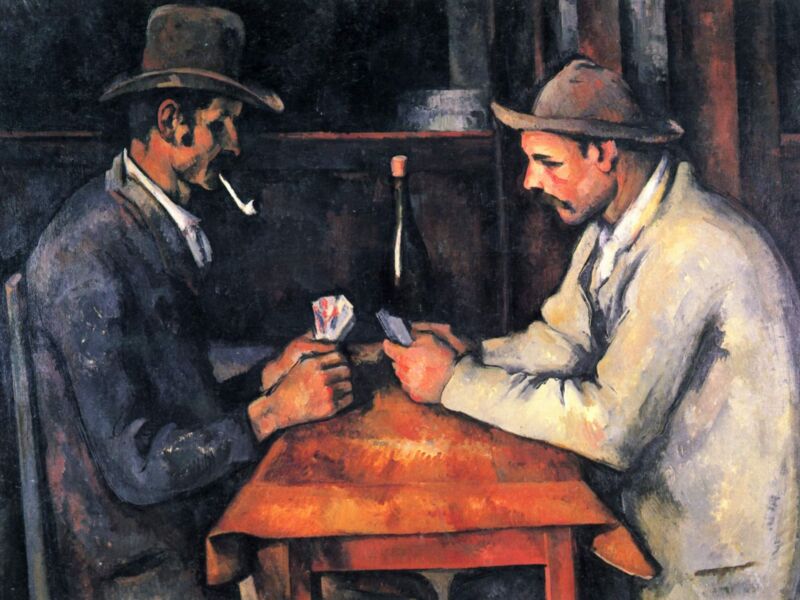
Cézanne’s Card Players: what Qatar paid for the last one in private hands
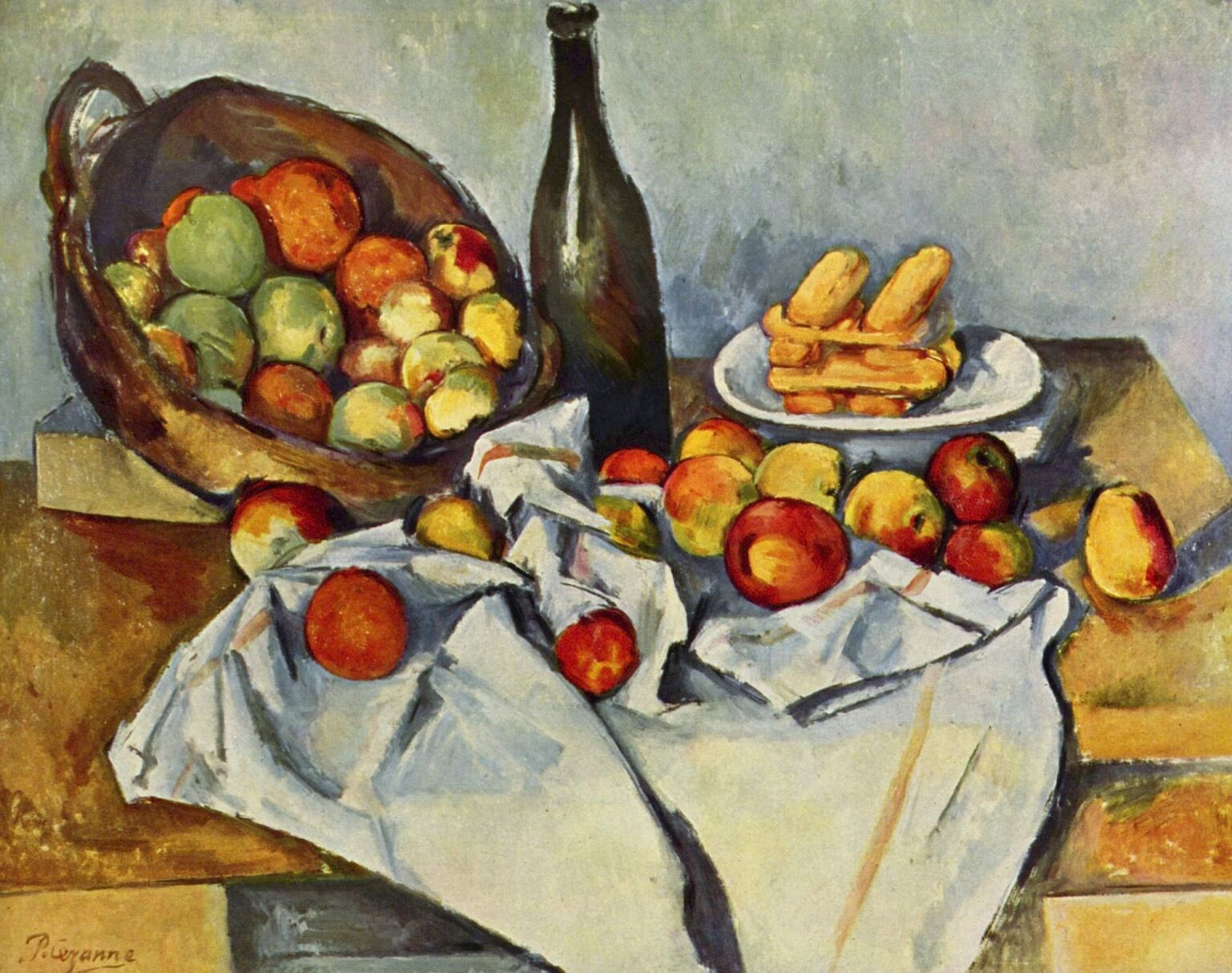
Post-Impressionism: from Cézanne’s apples to Gauguin’s Tahiti
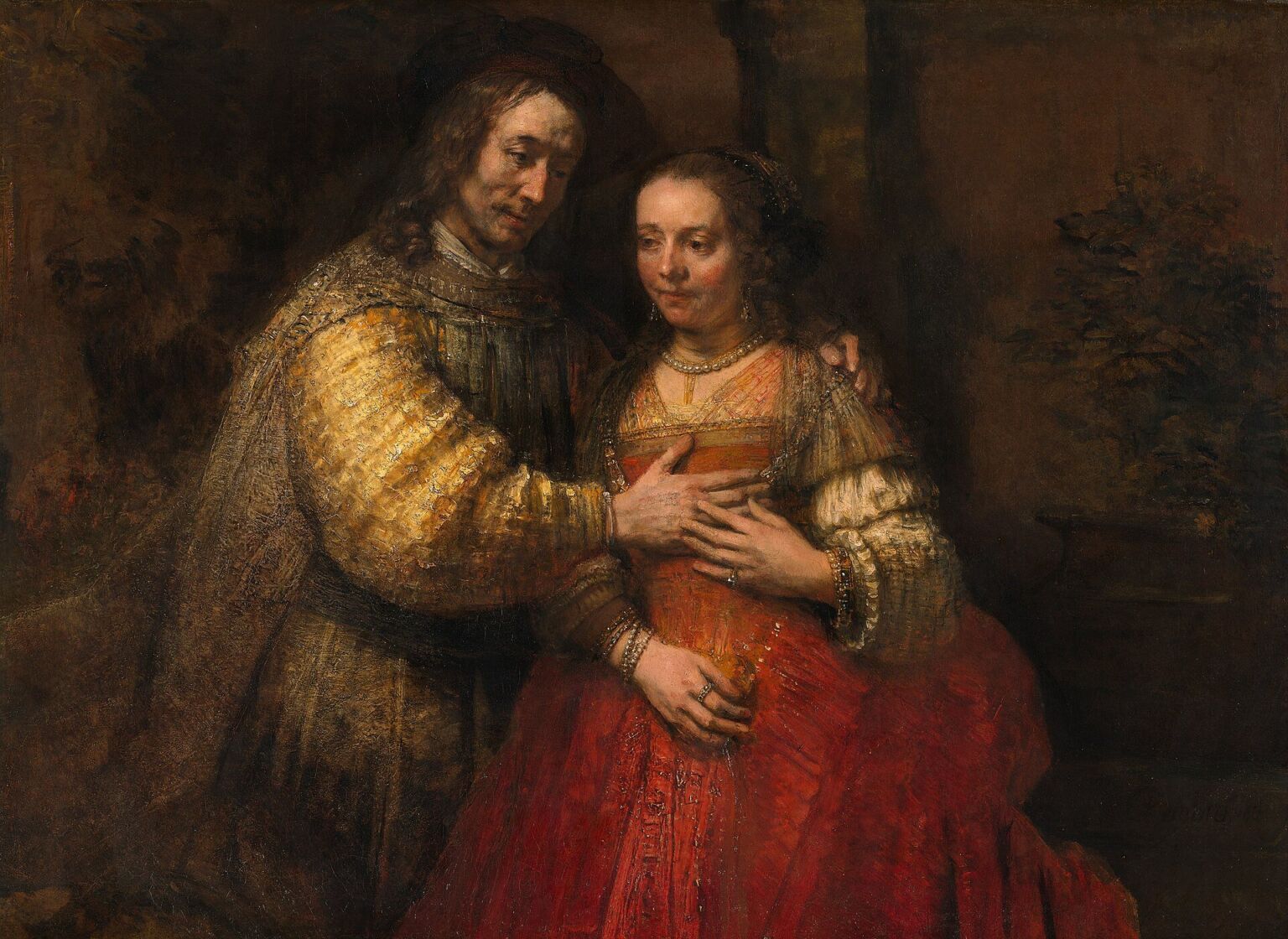
Impasto: from Titian’s fingertips to Van Gogh’s clouds