Art movement
Realism
1840s–1880s · France, Europe and Russia
About the movement
In the summer of 1855, on the Avenue Montaigne in Paris, a stone's throw from the Exposition Universelle, a temporary pavilion went up under a sign that read "Realism." Gustave Courbet had built it at his own expense after the exhibition jury turned down his two largest canvases, A Burial at Ornans and The Painter's Studio. In the catalog of this private show he printed a short text that would soon be called a manifesto. The word itself was already circulating in the arguments over Courbet: the writer Champfleury had championed him, and in 1856–1857 Louis Edmond Duranty published a journal bluntly titled Réalisme.
Courbet put the task simply: "to translate the customs, the ideas and the appearance of my time." Behind the phrase lay an attack on the hierarchy of genres, at whose summit the Academy kept history, mythology and Scripture. The scandal of A Burial at Ornans at the Salon of 1850–1851 lay not in its subject but in its scale: a canvas more than six meters wide, the size of a battle piece, given over to the nameless inhabitants of a provincial town. In an open letter to students in 1861, Courbet declared that painting is "an essentially concrete art." Angels, nymphs and ancient heroes fell outside its limits.
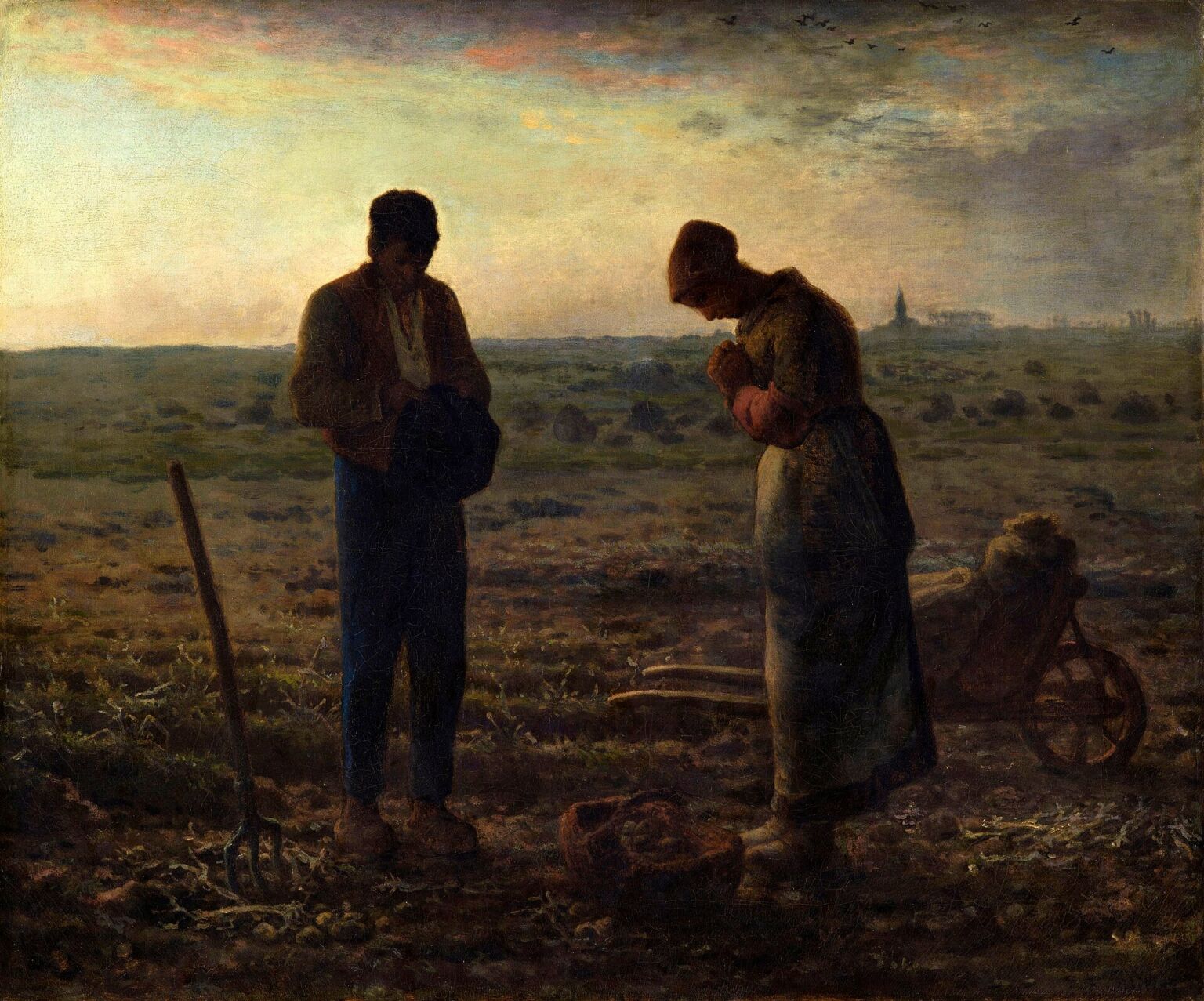
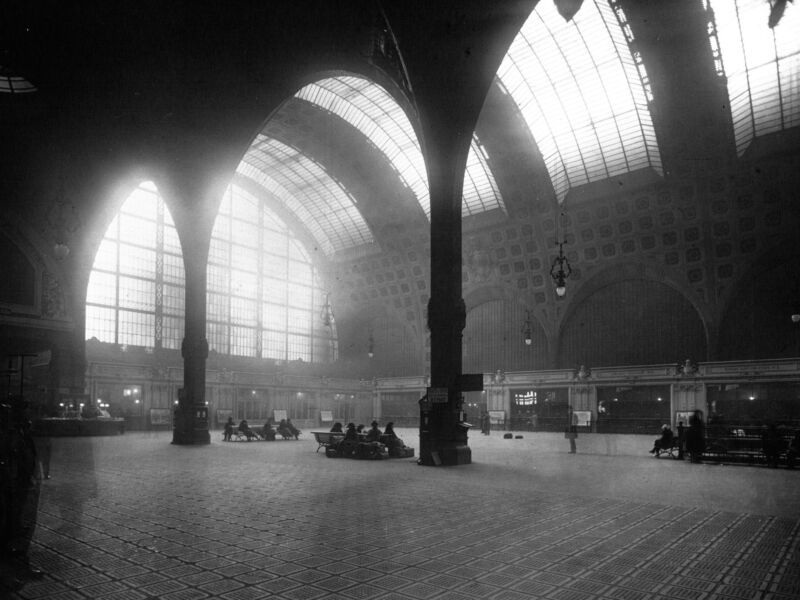
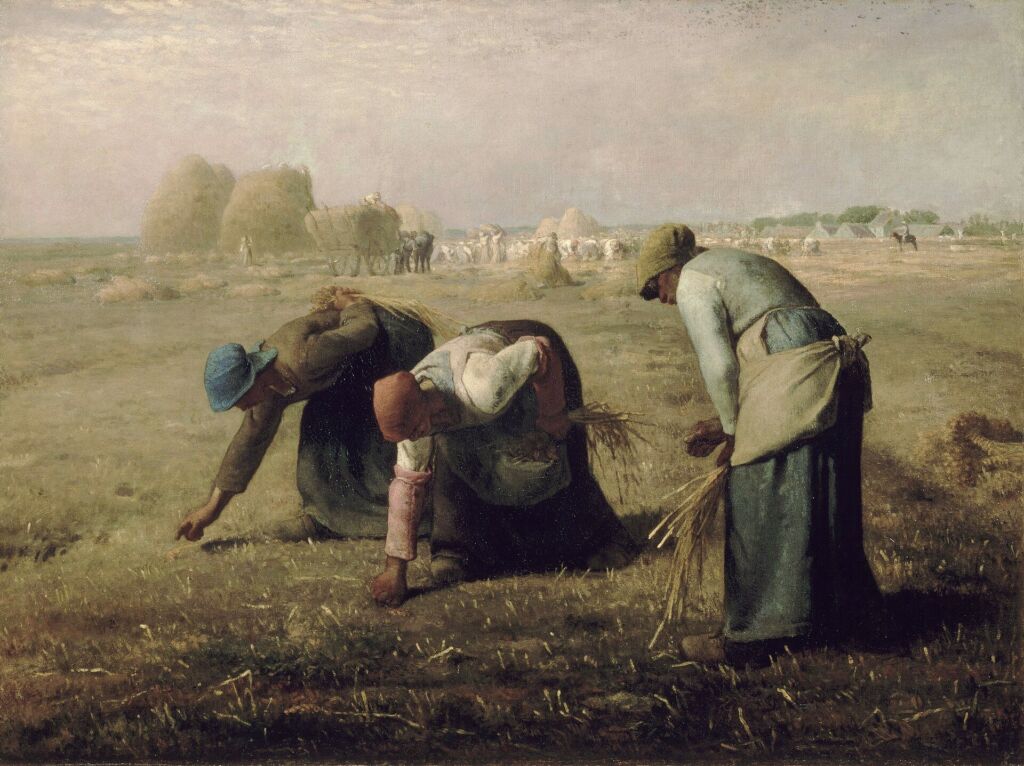
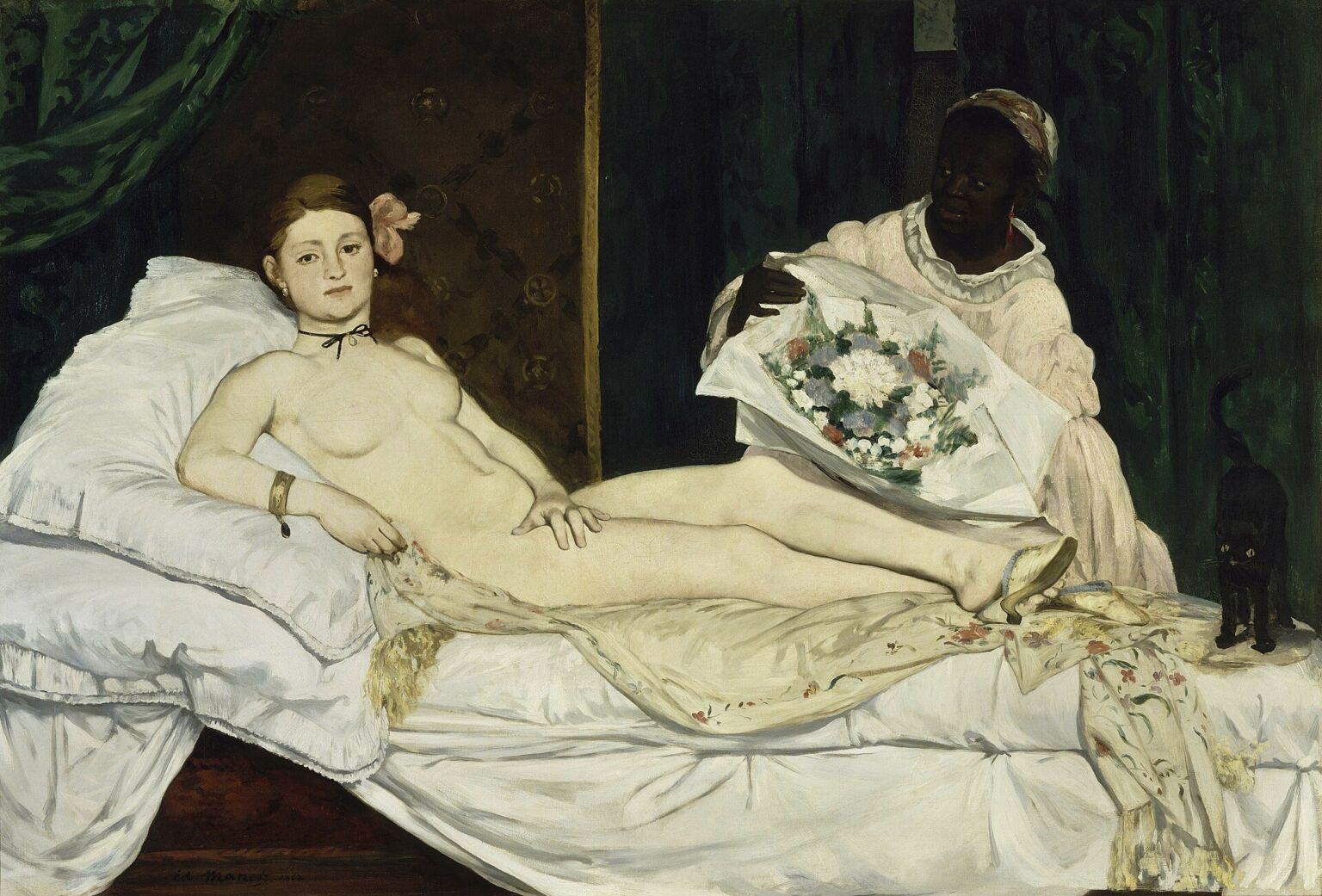
Others worked alongside him. At Barbizon, Jean-François Millet painted peasant labor in The Gleaners (1857) and The Angelus (1857–1859), both now in the Musée d'Orsay. Honoré Daumier spent decades drawing for satirical papers and painted third-class railway carriages and washerwomen. Courbet's The Stone Breakers (1849) was destroyed in Dresden in 1945, but the Burial and the Studio survive in the Orsay. The next generation carried the principle into modern city life: Édouard Manet's Olympia (1863) and Gustave Caillebotte's The Floor Scrapers (1875), rejected by the Salon that same year.
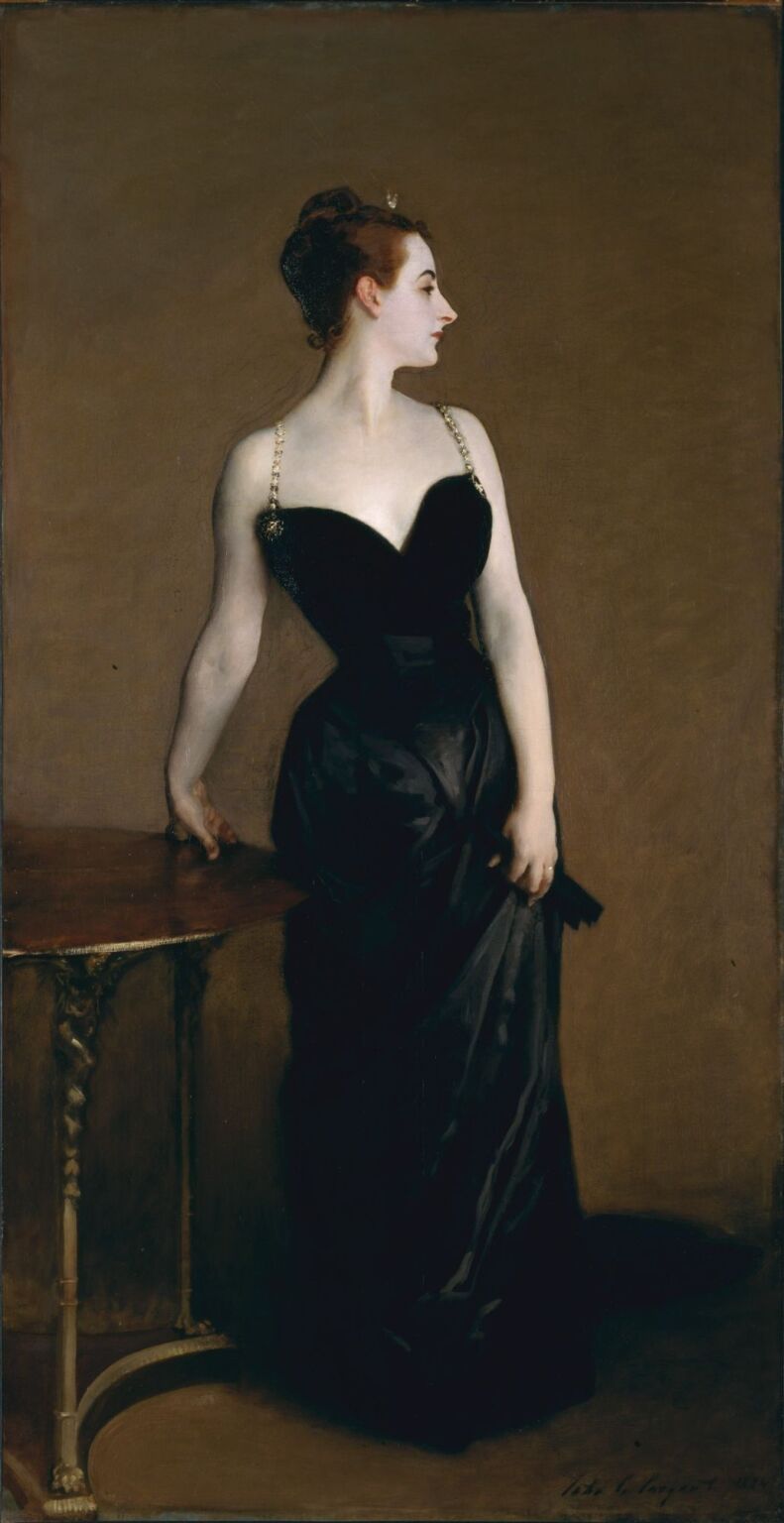
Contemporaries saw Realism less as an aesthetic than as a politics. After the revolution of 1848, pictures of the poor read as a threat: in 1857 the critic Paul de Saint-Victor called The Gleaners "the three Fates of pauperism." At the Salon of 1865 Olympia drew such indignant crowds that guards were posted beside it. Almost twenty years later the same script played out with John Singer Sargent's Madame X (1884): after the scandal the artist repainted the slipped shoulder strap and soon moved to London. Courbet himself was jailed for his part in the Paris Commune of 1871 and the toppling of the Vendôme Column, then left for Switzerland, where he died in 1877.
Beyond France, Realism found masters of its own. In Germany, Adolph Menzel painted The Iron Rolling Mill (1872–1875, Alte Nationalgalerie, Berlin), one of the first large pictures of factory work. The young Max Liebermann made his debut with Women Plucking Geese (1872), and critics, while granting his skill, dubbed him "the painter of ugliness." The Realist line in Europe was carried on by the Belgian Constantin Meunier and the Dutch painters of the Hague School.
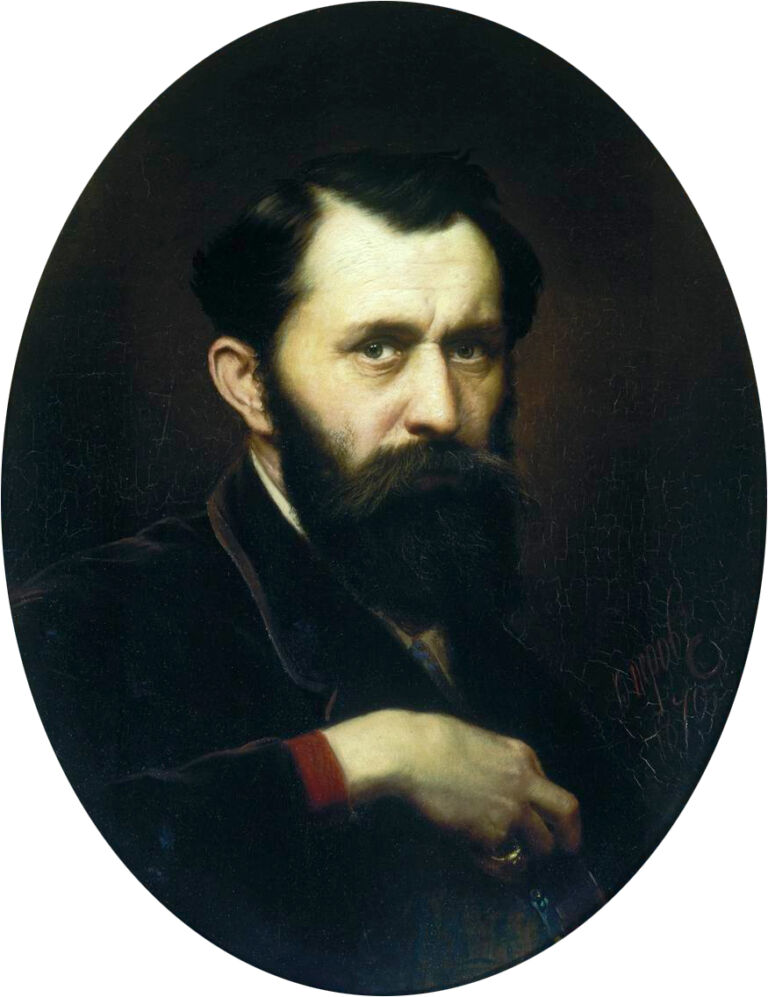
In Russia the road to Realism began before Courbet. As early as the 1820s Alexei Venetsianov was painting the peasants of his estate in the Tver province, and in The Major's Marriage Proposal (1848) Pavel Fedotov turned a domestic scene into a comedy of manners. In the second half of the century Realism became the language of Vasily Perov, of Ilya Repin with Barge Haulers on the Volga (1870–1873) and of Vasily Vereshchagin with The Apotheosis of War (1871). This line is traced in detail in our entry on the Peredvizhniki, the society of Russian realists who took their exhibitions on tour across the empire.
As a movement, Realism had left the stage by the 1880s: Manet and his younger friends shifted attention from the subject to light and ways of seeing, while Jules Bastien-Lepage and the Naturalists pushed the method toward near-photographic precision. But the question Courbet had raised (does an ordinary contemporary deserve a large canvas?) never went away. It was asked again by the American Ashcan School, by Germany's New Objectivity and by the Photorealists of the later 20th century.
Artists
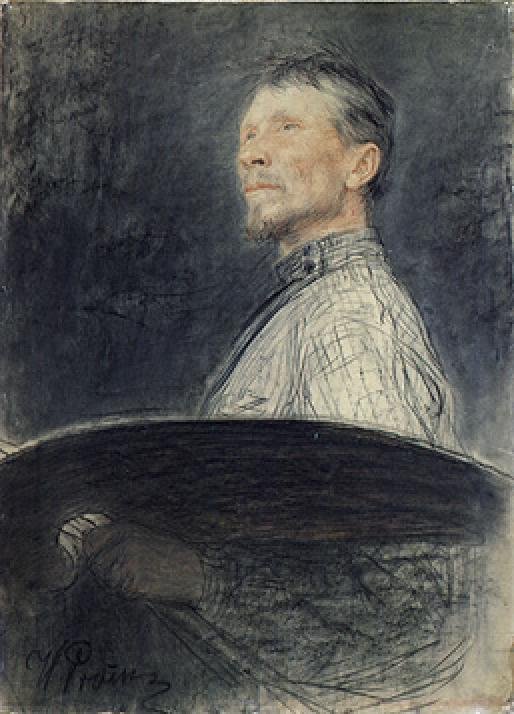 Russian art · PeredvizhnikiAbram Arkhipov1862–1930
 Russian artNikolai Ge1831–1894
 Russian artIvan Kramskoy1837–1887
 Russian artIsaac Levitan1860–1900
 Russian artVasily Perov1834–1882
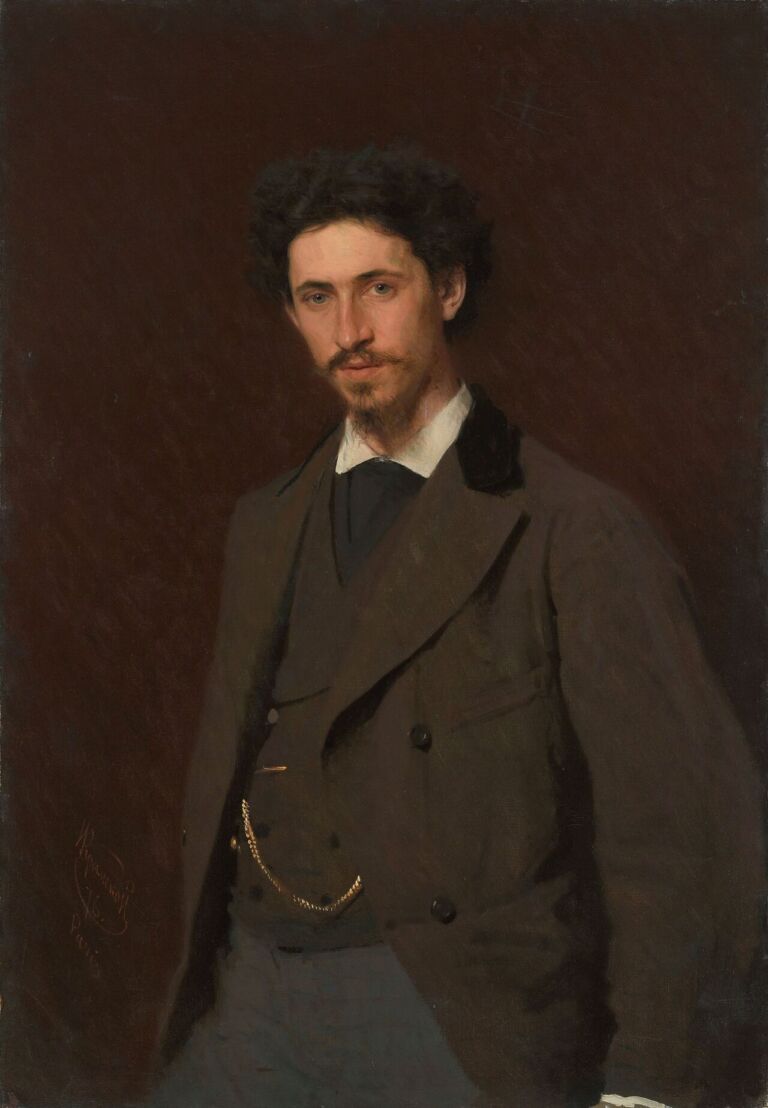 Russian artIlya Repin1844–1930
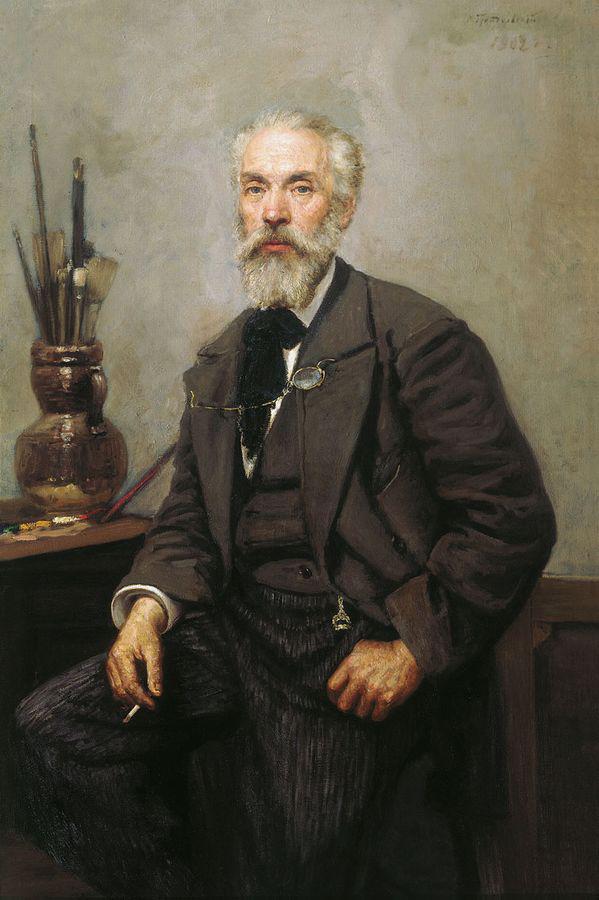 Russian artKonstantin Savitsky1844–1905
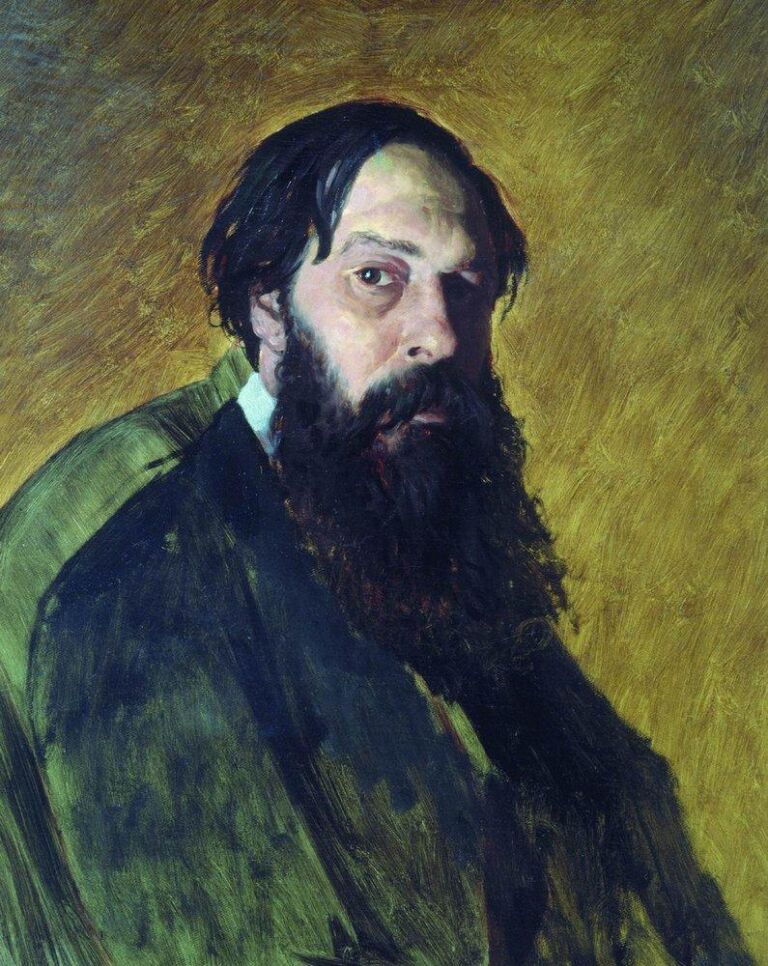 Russian artAlexei Savrasov1830–1897
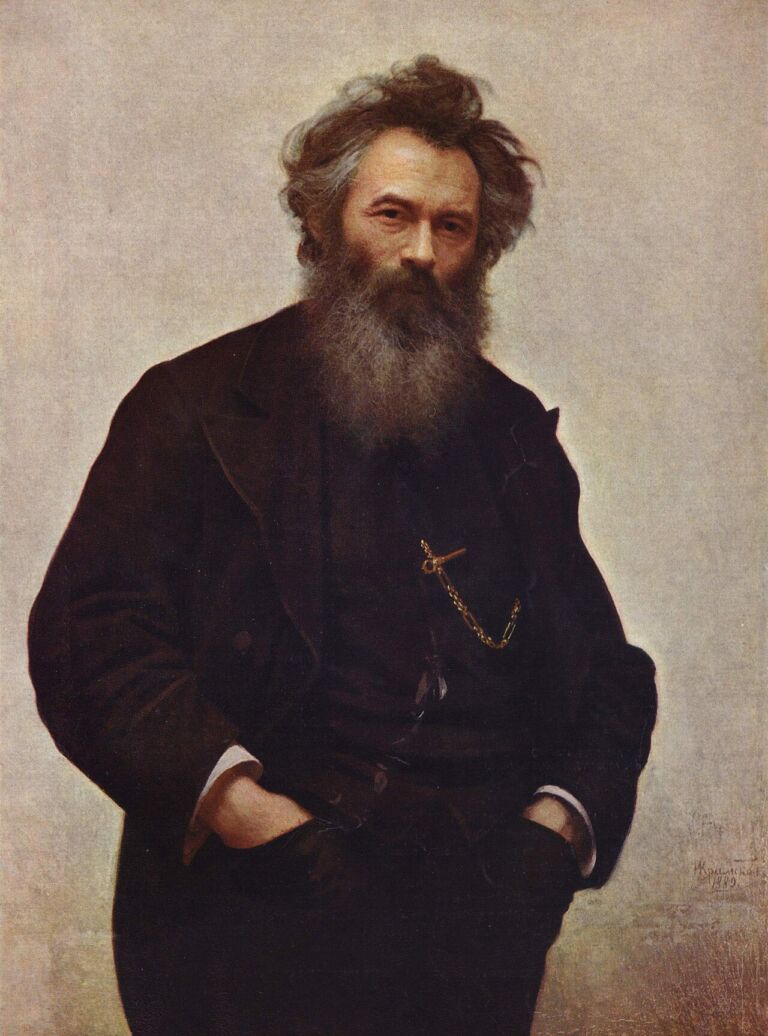 Russian artIvan Shishkin1832–1898
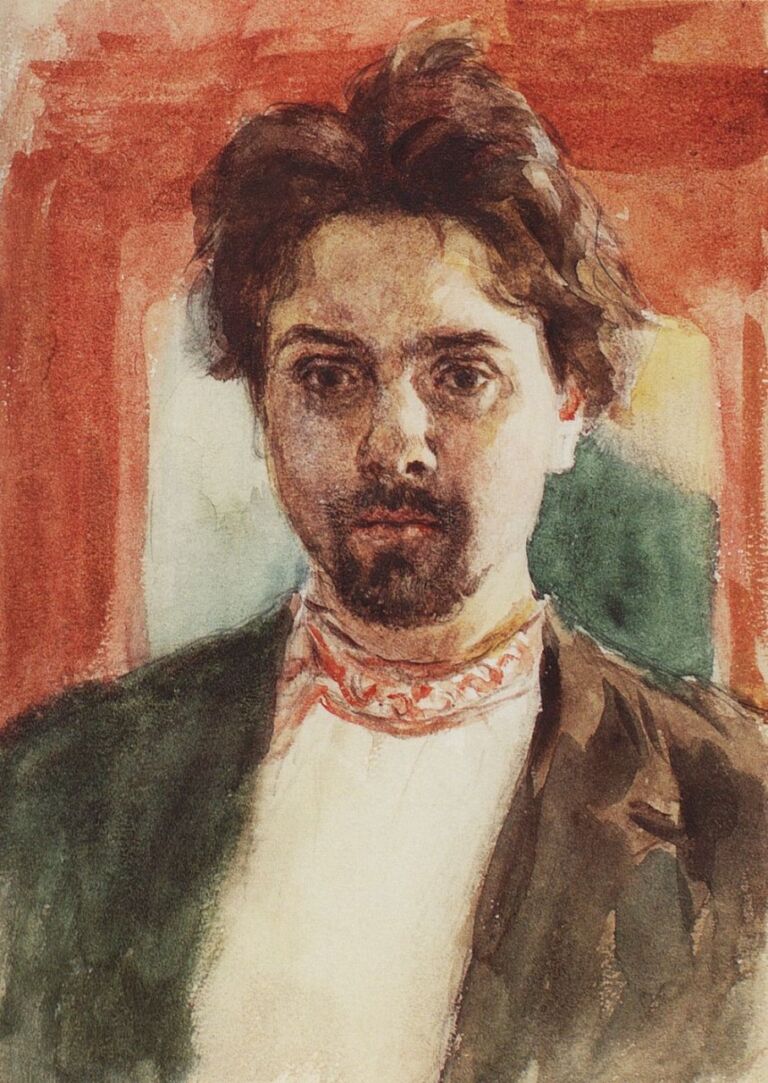 Russian artVasily Surikov1848–1916
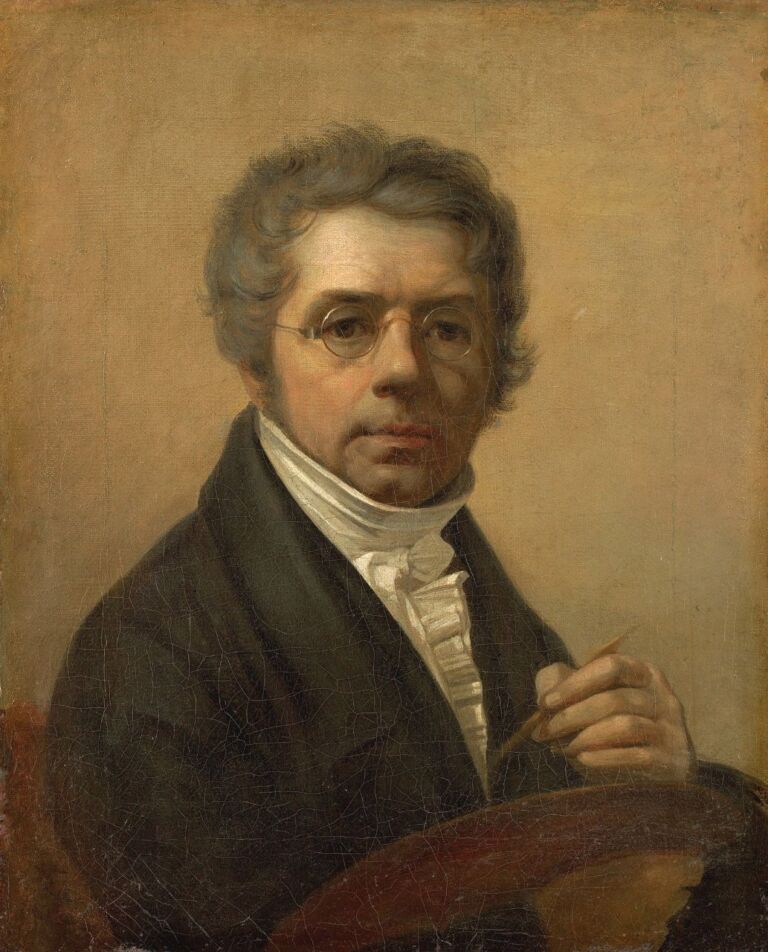 Russian art · RealismAlexei Venetsianov1780–1847
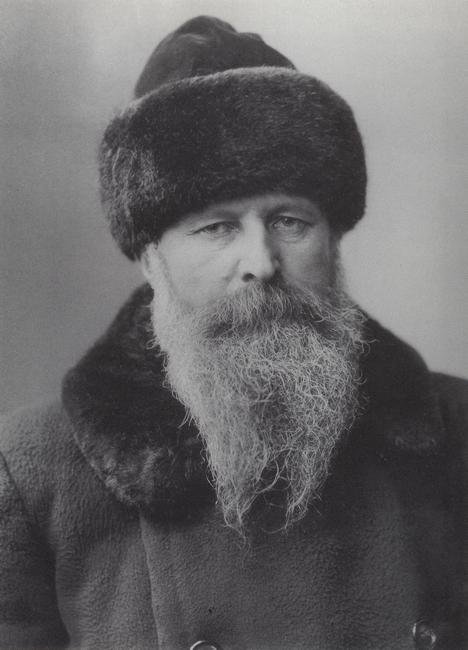 Russian art · RealismVasily Vereshchagin1842–1904
Major works
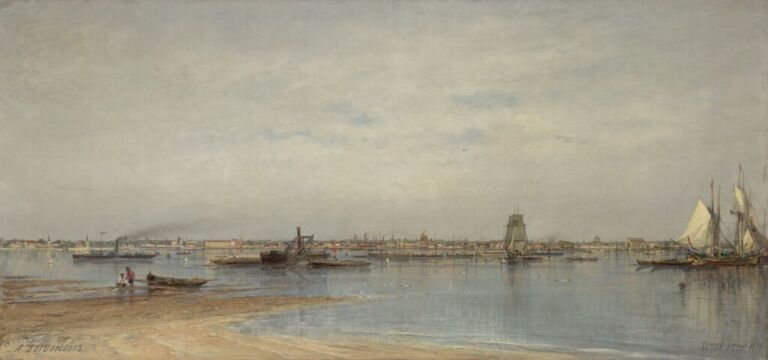 The Mouth of the NevaAlexei Bogolyubov · 1872
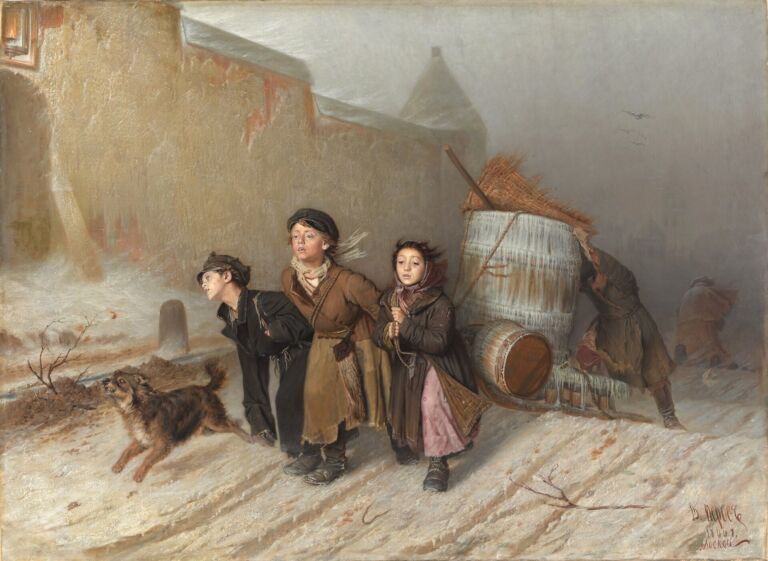 Troika: Apprentices Carrying WaterVasily Perov · 1866
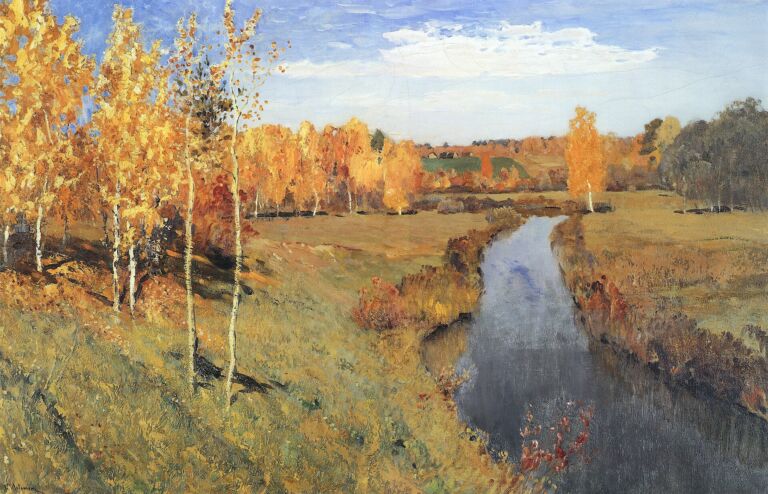 Golden AutumnIsaac Levitan · 1895
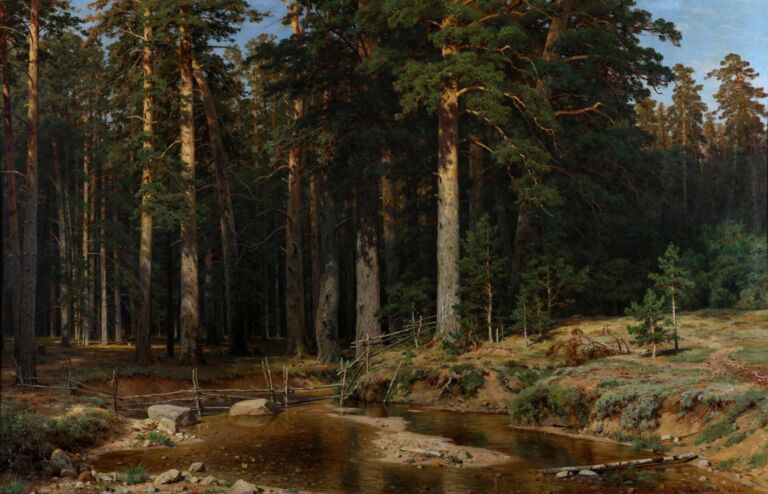 Mast-Tree GroveIvan Shishkin · 1898
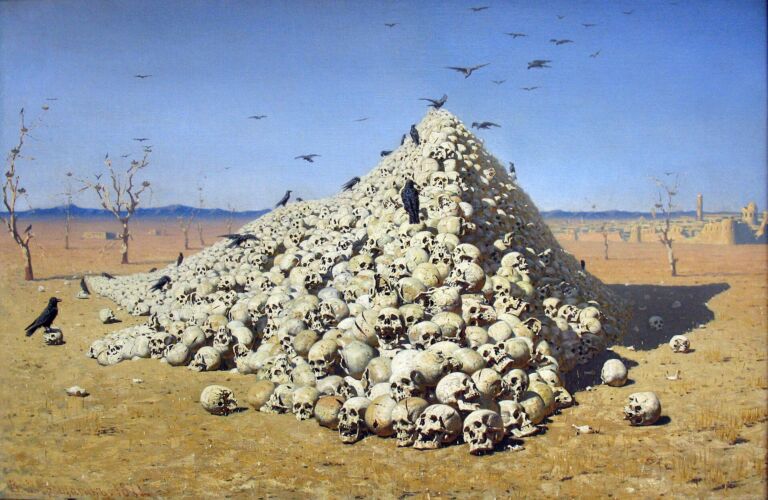 The Apotheosis of WarVasily Vereshchagin · 1871
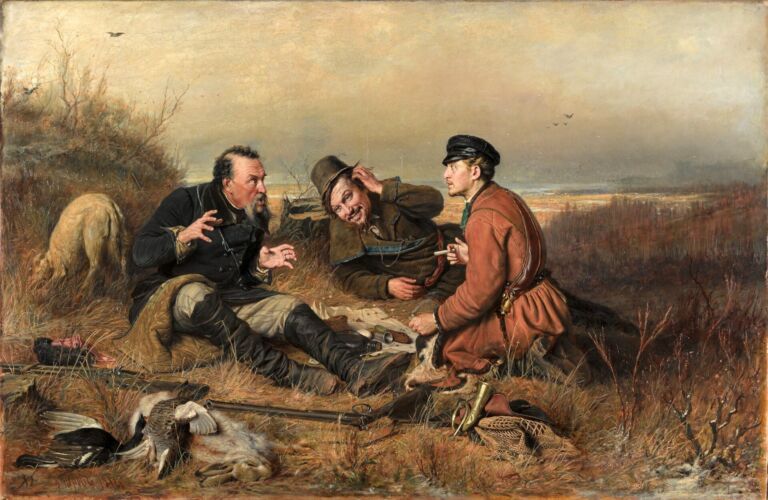 Hunters RestingVasily Perov · 1871
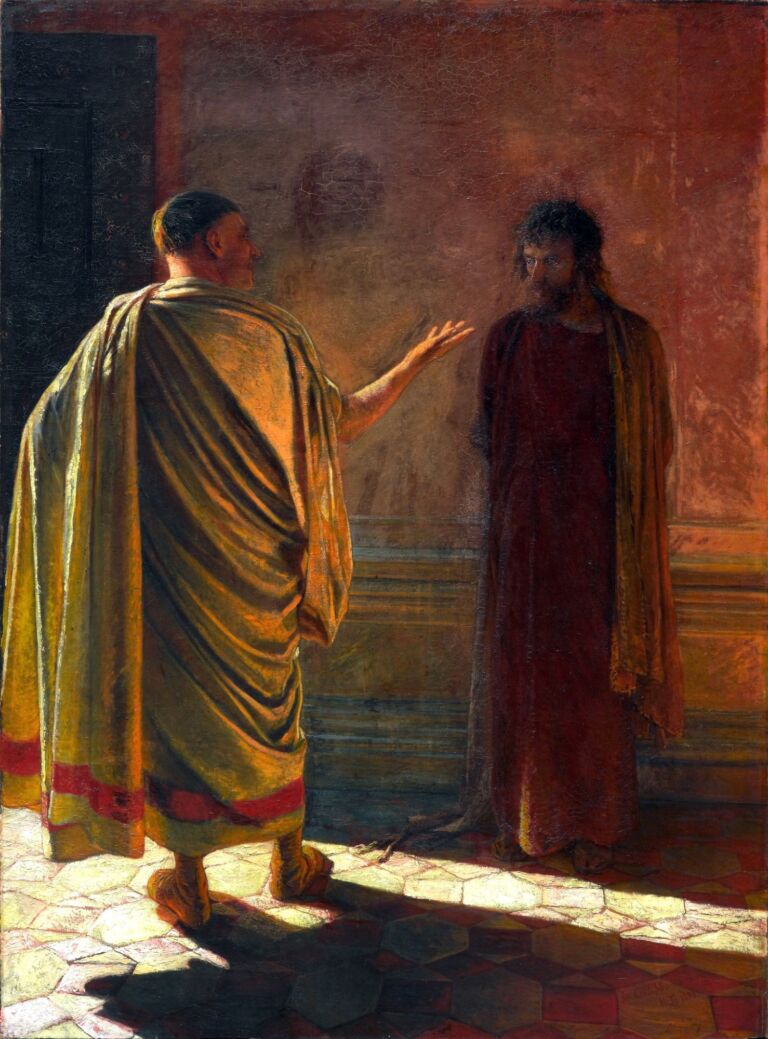 “What Is Truth?” Christ and PilateNikolai Ge · 1890
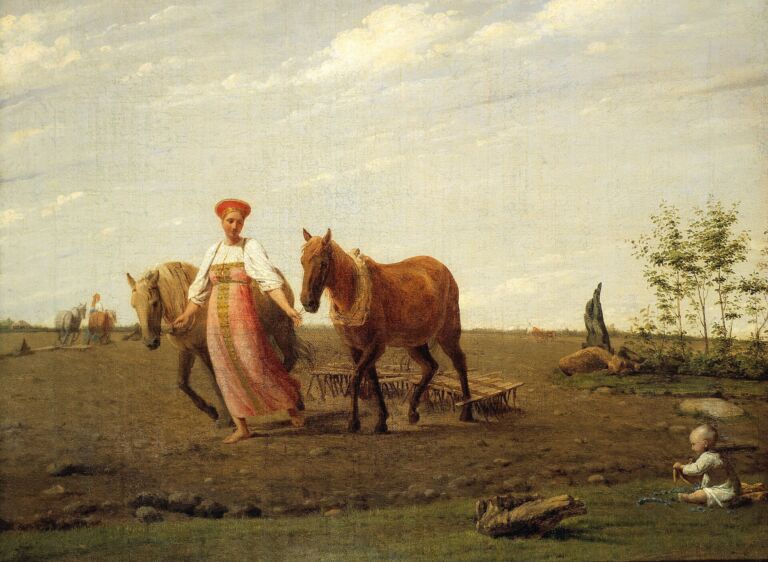 In the Ploughed Field. SpringAlexei Venetsianov · First half of the 1820s
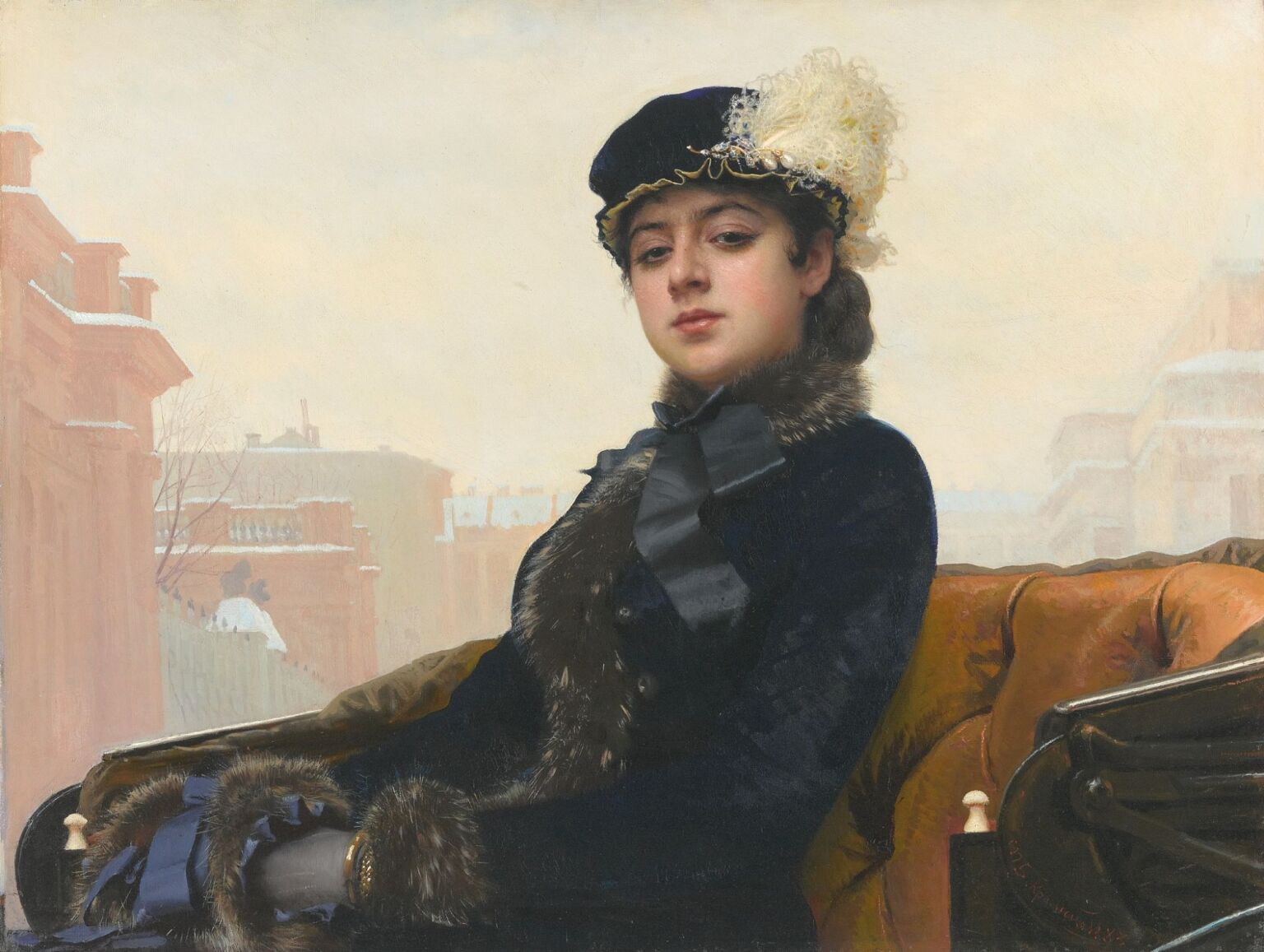
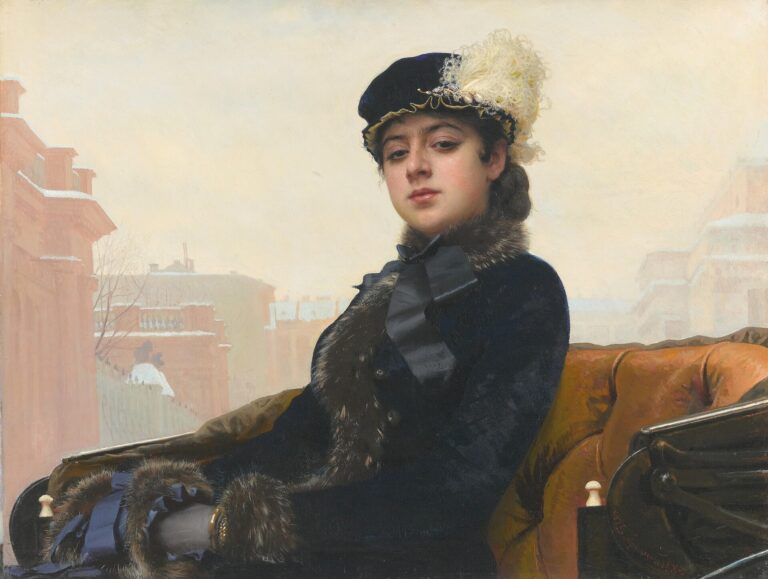 An Unknown WomanIvan Kramskoy · 1883
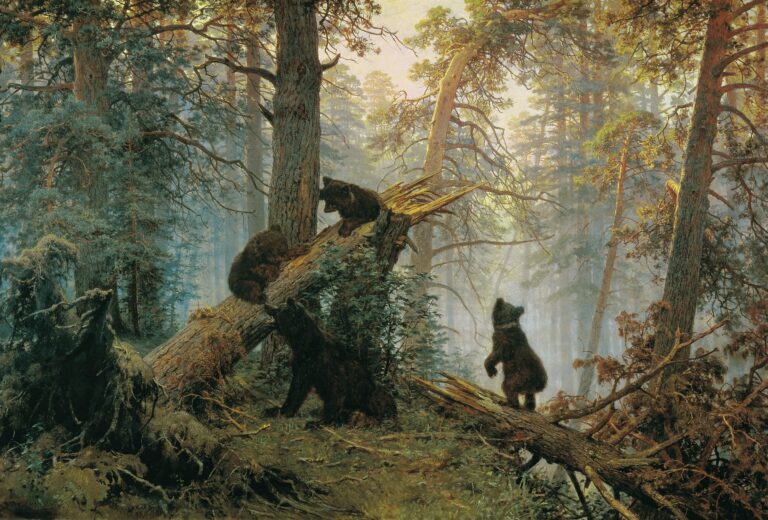 Morning in a Pine ForestIvan Shishkin · 1889
Stories
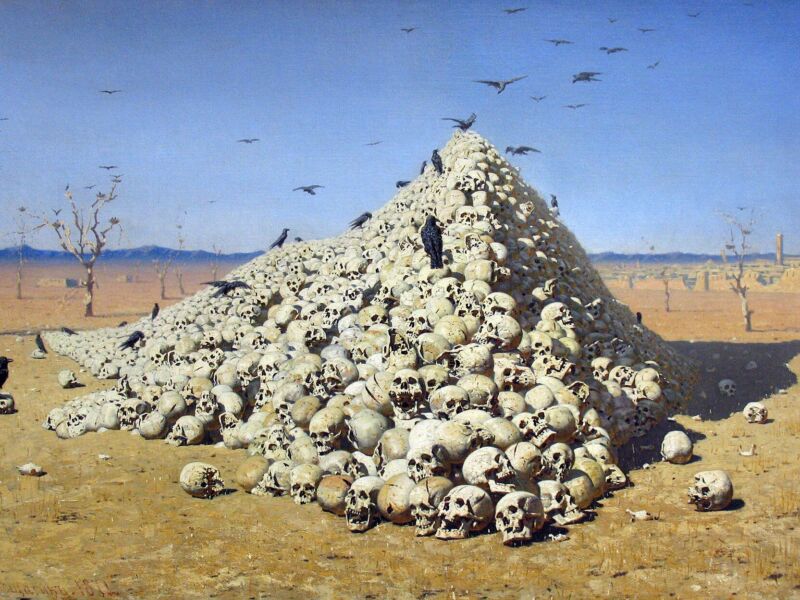
Vereshchagin’s skull pyramid: why he called it a satire on himself
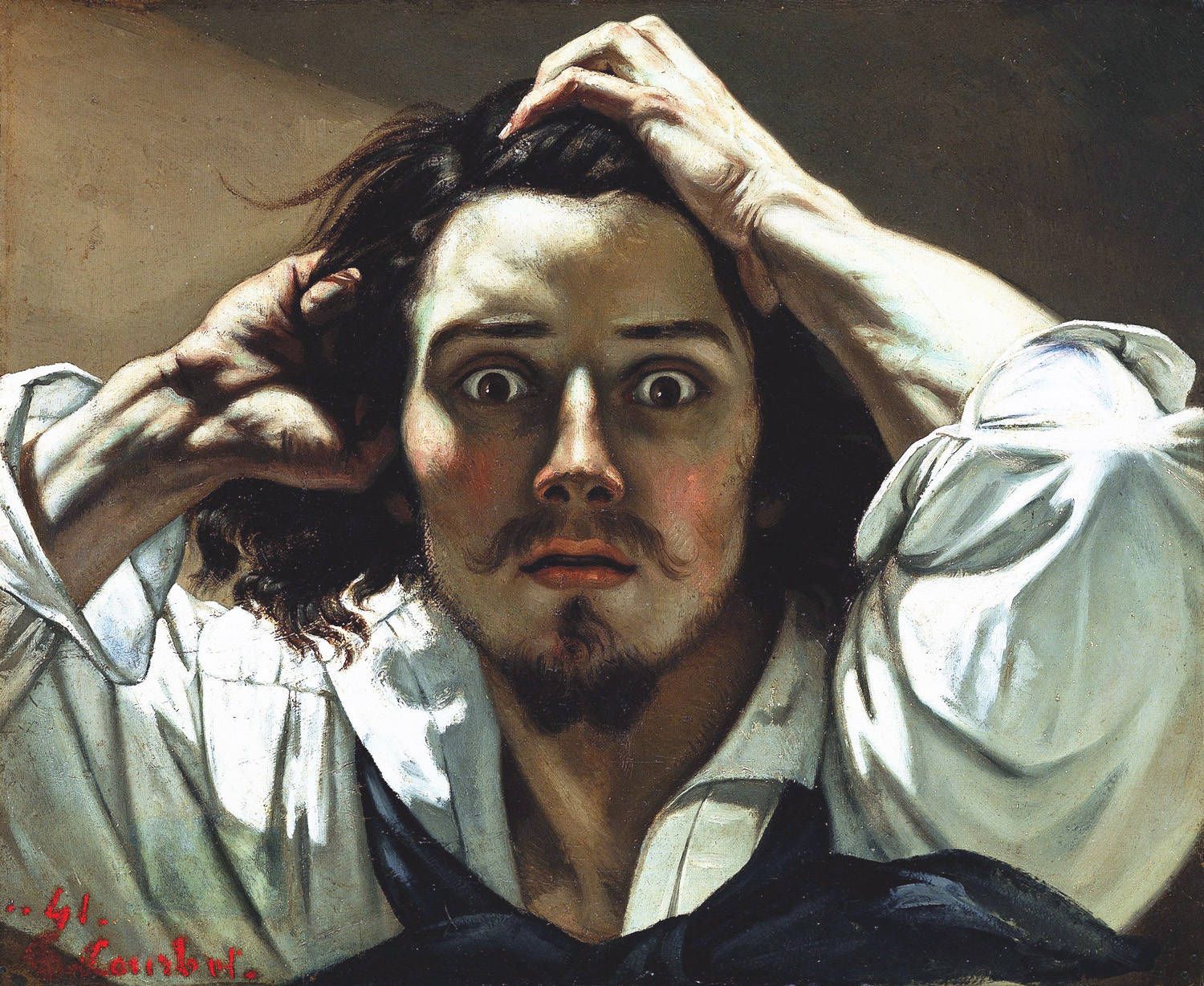
Courbet’s Desperate Man: the self-portrait he hid for nearly 30 years
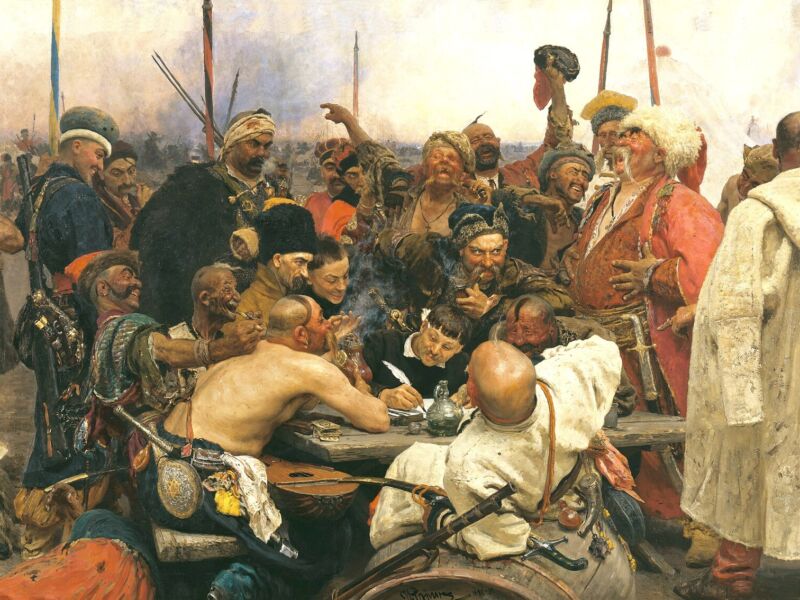
Repin’s Laughing Cossacks: Who Really Posed for the Letter to the Sultan
Manet’s Olympia: why the nude needed guards
Kramskoy’s Unknown Woman: why we still don’t know who she is
Madame X: why Sargent repainted the strap that scandalized Paris