Art movement
Northern Renaissance
15th–16th centuries · Netherlands, Germany
About the movement
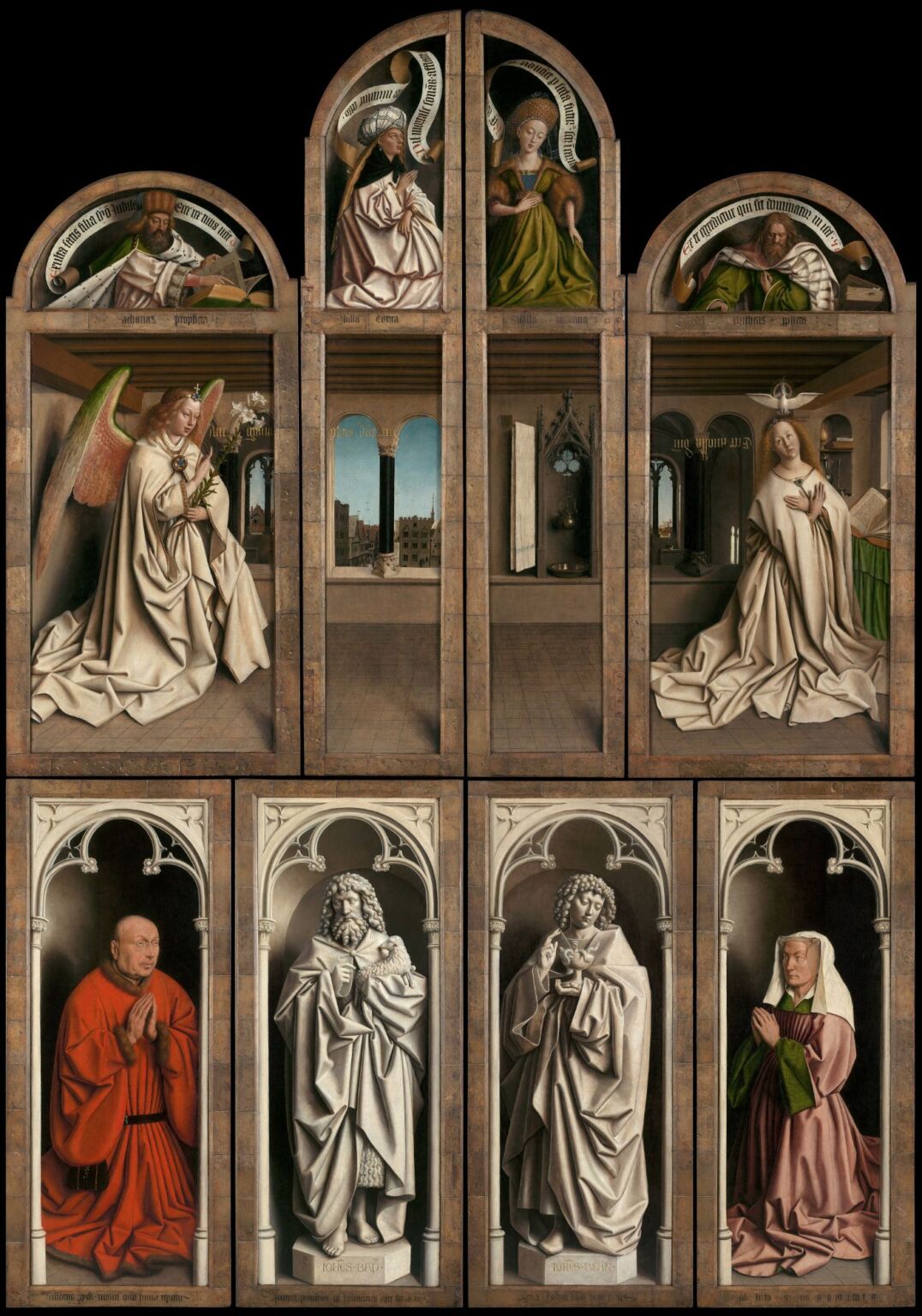
The frame of the Ghent Altarpiece bears a Latin inscription: the work was begun by Hubert van Eyck, "the first of all," finished by his brother Jan, and unveiled on May 6, 1432. Beyond these lines almost nothing is known about Hubert, and some historians doubt his role. So begins the story of the art known as the Northern Renaissance. The name itself is a convention: the Dutch historian Johan Huizinga, in The Autumn of the Middle Ages (1919), saw van Eyck's world as the last flowering of the late Middle Ages rather than the dawn of a new age.
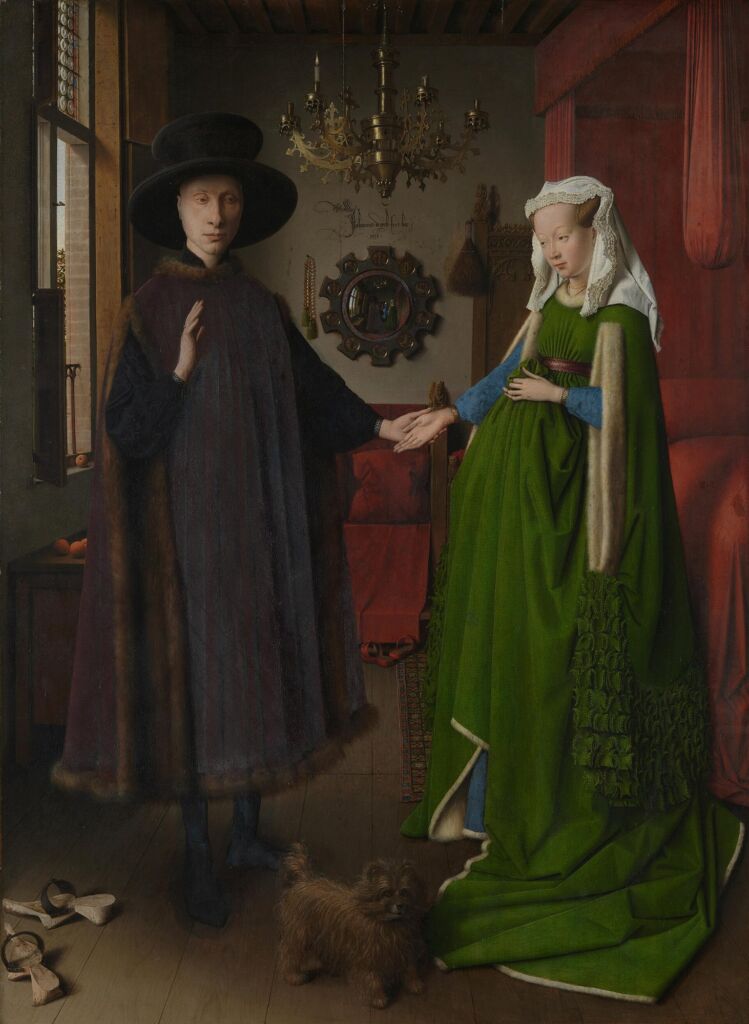
The Italians approached reality through antiquity and geometry; the northerners, through things. Jan van Eyck did not invent oil painting, though Vasari believed he had, but he perfected the technique of thin, transparent glazes: light seems to pass through the paint and bounce back from the white ground. Hence the gleam of metal, the nap of woolen cloth, the glass that mirrors a whole room. Many everyday objects in these pictures, Erwin Panofsky argued, carry a hidden religious meaning, though scholars apply the theory more cautiously today. The patrons were the dukes of Burgundy, city patricians and foreign merchants: Giovanni Arnolfini, whom van Eyck painted with his wife in 1434 (National Gallery, London), was a merchant from Lucca living in Bruges.
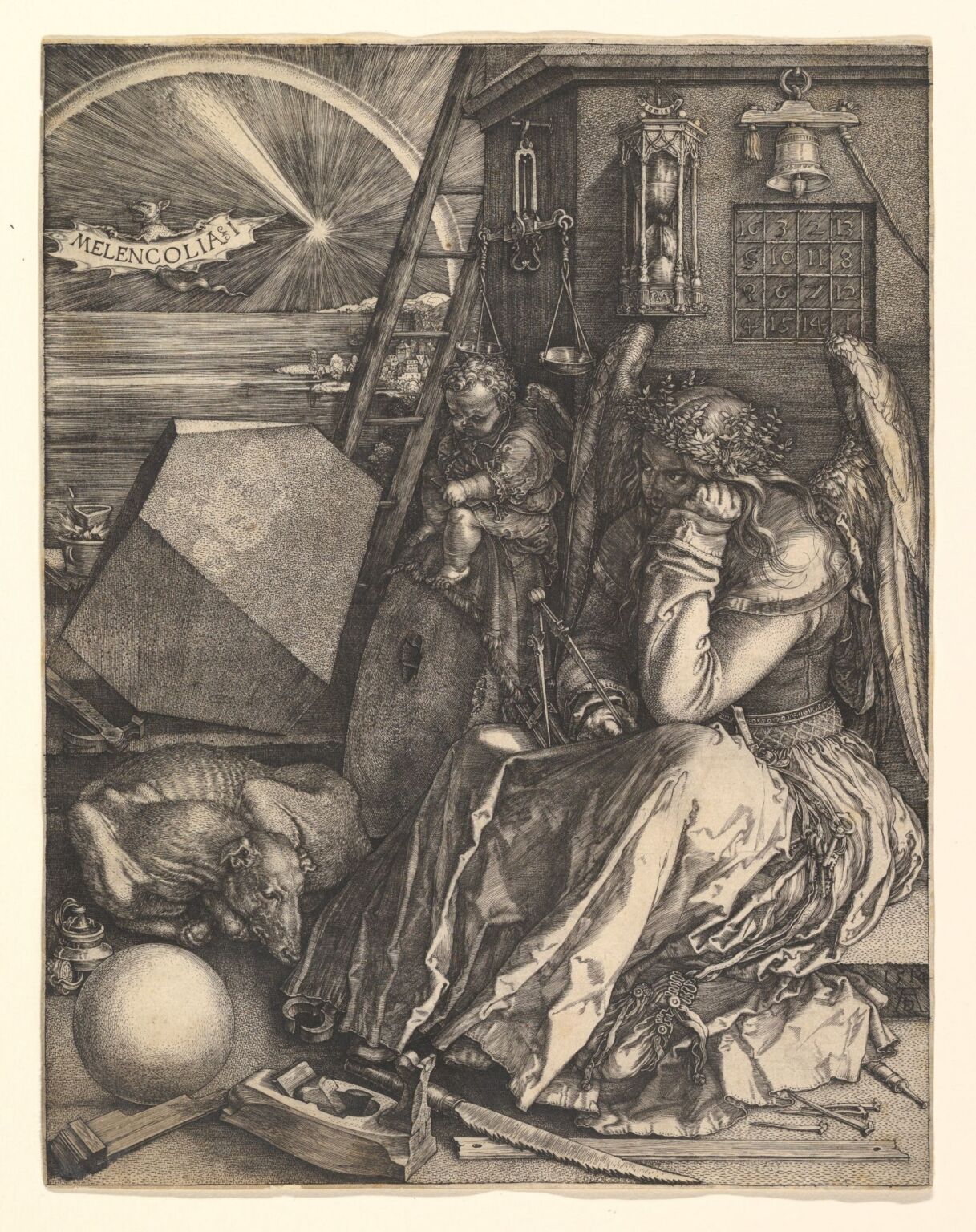
Alongside van Eyck worked Robert Campin in Tournai, to whom the Mérode Altarpiece (Metropolitan Museum of Art, The Cloisters) is attributed, and Rogier van der Weyden, who brought a powerful, almost theatrical emotion into painting. Around 1500, in 's-Hertogenbosch, Hieronymus Bosch painted The Garden of Earthly Delights (Prado), which is still being interpreted today. The German line began with Albrecht Dürer: after his journeys to Italy he combined northern meticulousness with the theory of proportion, and modeled his Self-Portrait in a Fur-Collared Robe (1500, Alte Pinakothek, Munich) on the frontal face of an icon. Lucas Cranach the Elder became court painter to the Electors of Saxony and a friend of Luther; his Adam and Eve of 1526 is in the Courtauld Gallery. In London, Hans Holbein the Younger painted The Ambassadors (1533), with its enigmatic distorted skull in the foreground.
The northerners' fame quickly crossed the Alps. Around 1456 the humanist Bartolomeo Facio called Jan van Eyck the foremost painter of his time. Italian bankers ordered altarpieces from Flanders: when Hugo van der Goes's Portinari Altarpiece arrived in Florence in 1483, local masters, Ghirlandaio among them, began imitating its shepherds. A less flattering verdict survives in the Dialogues on Painting by the Portuguese Francisco de Holanda: Michelangelo supposedly said that Flemish painting appeals to women and monks. The authenticity of these conversations is disputed.
The Hermitage has a first-rate collection of northern painting. It includes Rogier van der Weyden's Saint Luke Drawing the Virgin, whose history reads like a detective story: the panel was once sawn in two; the half with Saint Luke arrived in 1850 from the collection of King William II of the Netherlands, the half with the Virgin in 1884 from a Paris dealer, and only then did the restorer Alexander Sidorov reunite them. There is also Campin's diptych, The Trinity and The Virgin and Child by a Fireplace, as well as Cranach's Venus and Cupid.
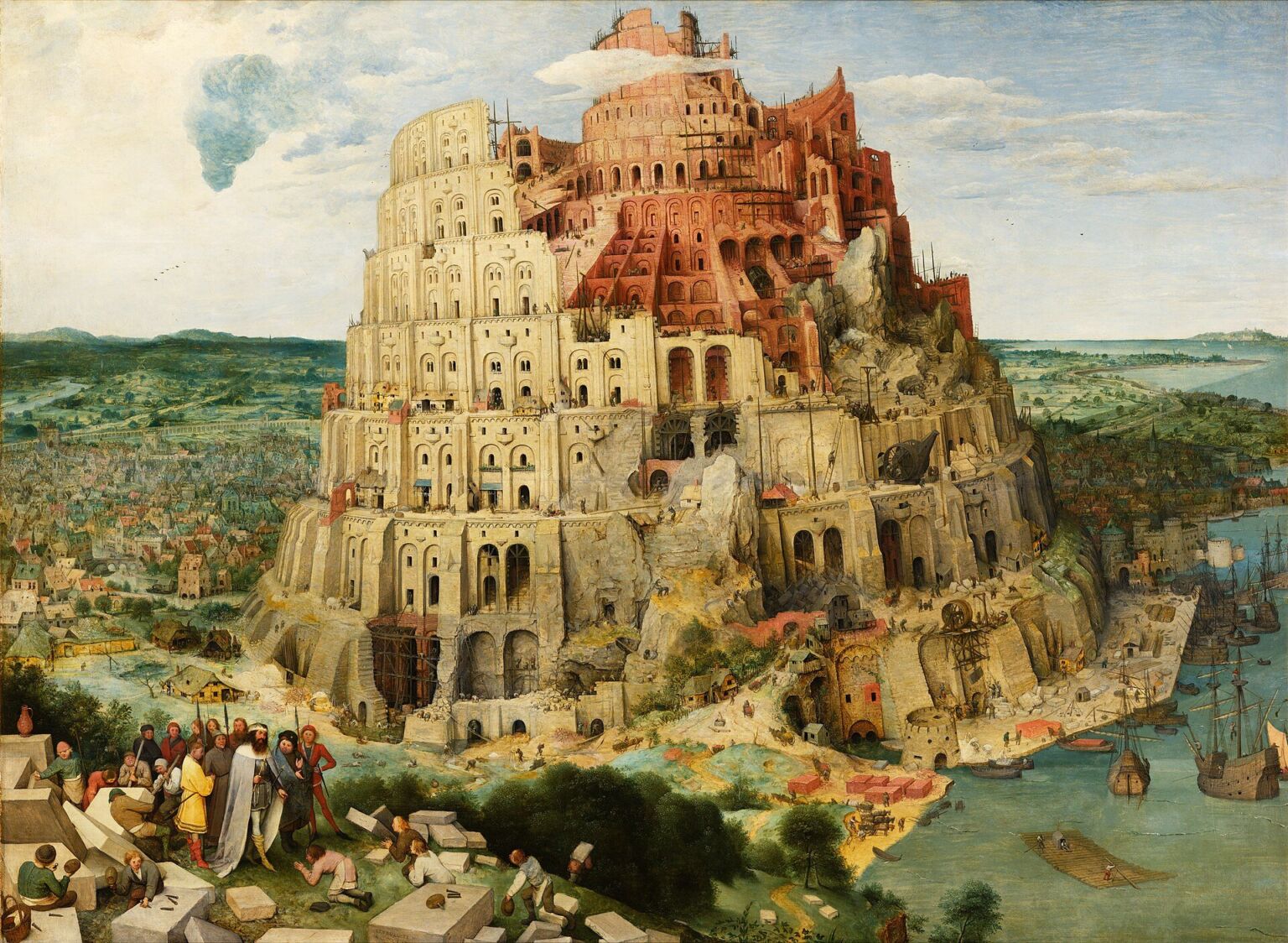
The Reformation brought the era to an end. Protestant cities stopped commissioning altarpieces, and in 1566 a wave of iconoclasm swept the Netherlands, destroying a great many images. Artists had to find new subjects. Pieter Bruegel the Elder found them in peasant life and landscape: The Tower of Babel (1563) and Hunters in the Snow (1565) are now in the Kunsthistorisches Museum in Vienna. The portraits, landscapes and genre scenes that grew out of this turn would, half a century later, become the foundation of 17th-century Dutch and Flemish painting.