Art movement
High Renaissance
Around 1490–1527 · Italy (Rome, Florence, Milan, Venice)
About the movement
In April 1506 Pope Julius II laid the foundation stone of a new St Peter's, designed by Donato Bramante. The old basilica from the time of Constantine was to be torn down, and the gesture captures the mood of the age: it did not see itself as continuing the past but was sure it could surpass it. The name High Renaissance was given to these decades by later historians. The start is usually placed in the 1490s, when Leonardo da Vinci was painting The Last Supper in Milan, and the end at Raphael's death in 1520 or the sack of Rome by imperial troops in 1527. Giorgio Vasari, in his Lives (1550), wrote of a "third manner" in which art had, as he saw it, reached perfection.
The masters of the 15th century, the Quattrocento, had discovered perspective and anatomy. Their heirs stopped showing off these discoveries and began to think with them. In Leonardo, figures melt into soft shading, or sfumato, until the boundary between body and air disappears. Raphael's compositions are built so that no figure can be moved without harming the whole. In Michelangelo, the body itself carries the meaning. The artist's status changed too: from a guild craftsman he became the companion of popes and princes, someone who could argue with a patron and walk away from a job he disliked.
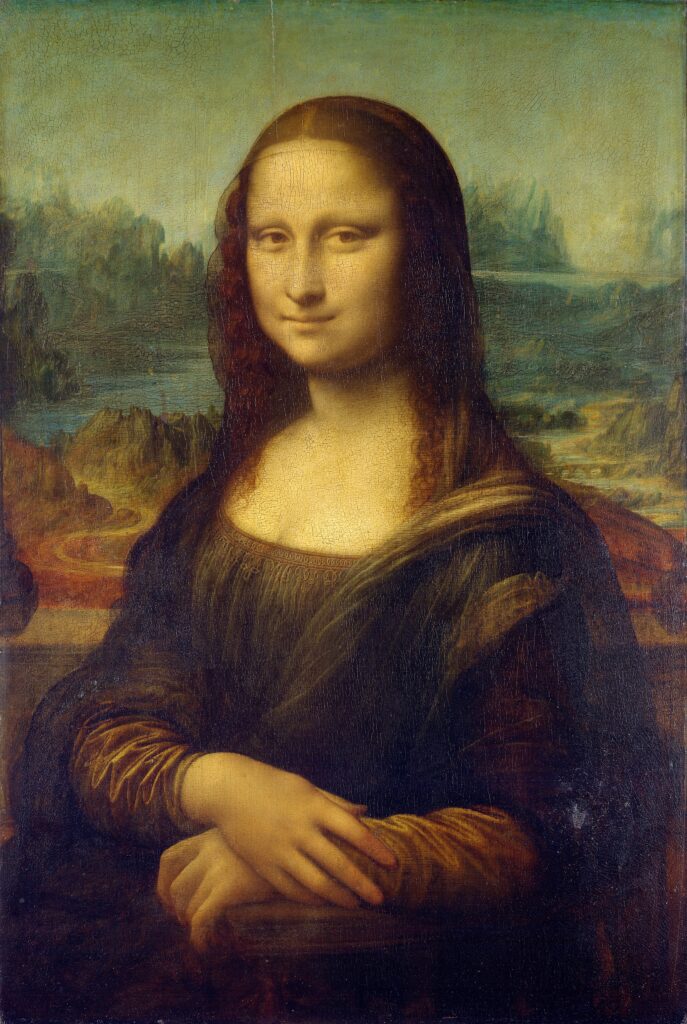
Rome became the main stage. In 1508 Michelangelo began painting the ceiling of the Sistine Chapel, finishing in 1512; The Creation of Adam is just one of its nine scenes from Genesis. At almost the same time Raphael was decorating the Stanze of the Vatican Palace, and in The School of Athens (1509–1511) he gathered the philosophers of antiquity, giving some of them, according to a long tradition of interpretation, the features of his contemporaries. For the monastery of San Sisto in Piacenza he painted the Sistine Madonna (1512–1513). Leonardo worked on the Mona Lisa from 1503 and kept it with him until his death in France in 1519; the portrait is now in the Louvre. In Venice the classical ideal took a different tone: Giorgione's The Tempest (Gallerie dell'Accademia) still has no generally accepted interpretation, while Titian's Venus of Urbino (1538, Uffizi) already looks ahead to the next era.
Contemporaries grasped the scale of what was happening. Young artists studied the cartoons by Leonardo and Michelangelo for the Hall of the Great Council in the Palazzo Vecchio, The Battle of Anghiari and The Battle of Cascina, copying them like a textbook, even though neither fresco was ever completed. Vasari called Michelangelo divine and claimed that Raphael changed his own style after seeing the Sistine ceiling. Roman splendor had its price: the sale of indulgences, which helped pay for St Peter's among other things, was one of the triggers for Luther's protest in 1517.
Russia's link to the era runs above all through the Hermitage. In 1865 the museum acquired the Litta Madonna from the collection of the Litta dukes of Milan; its attribution to Leonardo is still debated, with some scholars seeing the hand of his pupils. In the 1870s Alexander II bought Raphael's early Conestabile Madonna for Empress Maria Alexandrovna, and in 1914 the museum purchased Leonardo's Benois Madonna from Maria Benois. The Sistine Madonna also spent time in Moscow: taken from Dresden after the war, it hung in the Pushkin State Museum of Fine Arts from May 2 to August 20, 1955, before being returned to East Germany.
The balance did not last long. As early as the 1520s young artists raised on Raphael and Michelangelo began stretching proportions and complicating space, and so Mannerism was born. Michelangelo himself lived until 1564 and designed the dome of St Peter's, completed only after his death. But the era's chief legacy proved to be a teaching one: for almost three centuries the academies of Bologna, Paris and St Petersburg taught drawing from Raphael and the antique, and it was against this model that the Realists and Impressionists of the 19th century rebelled.
Stories
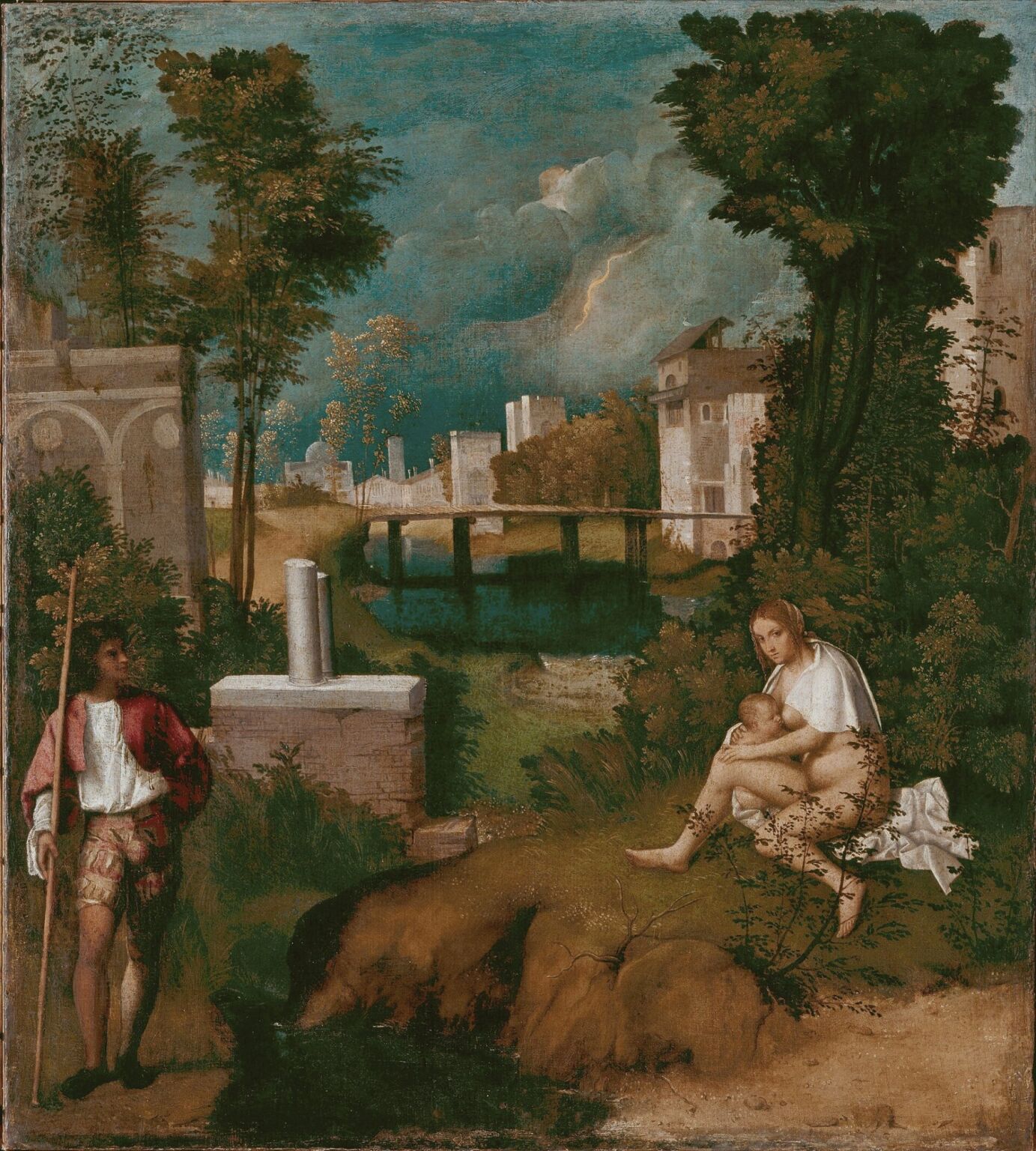
Giorgione’s The Tempest: who sat by the stream before the young man
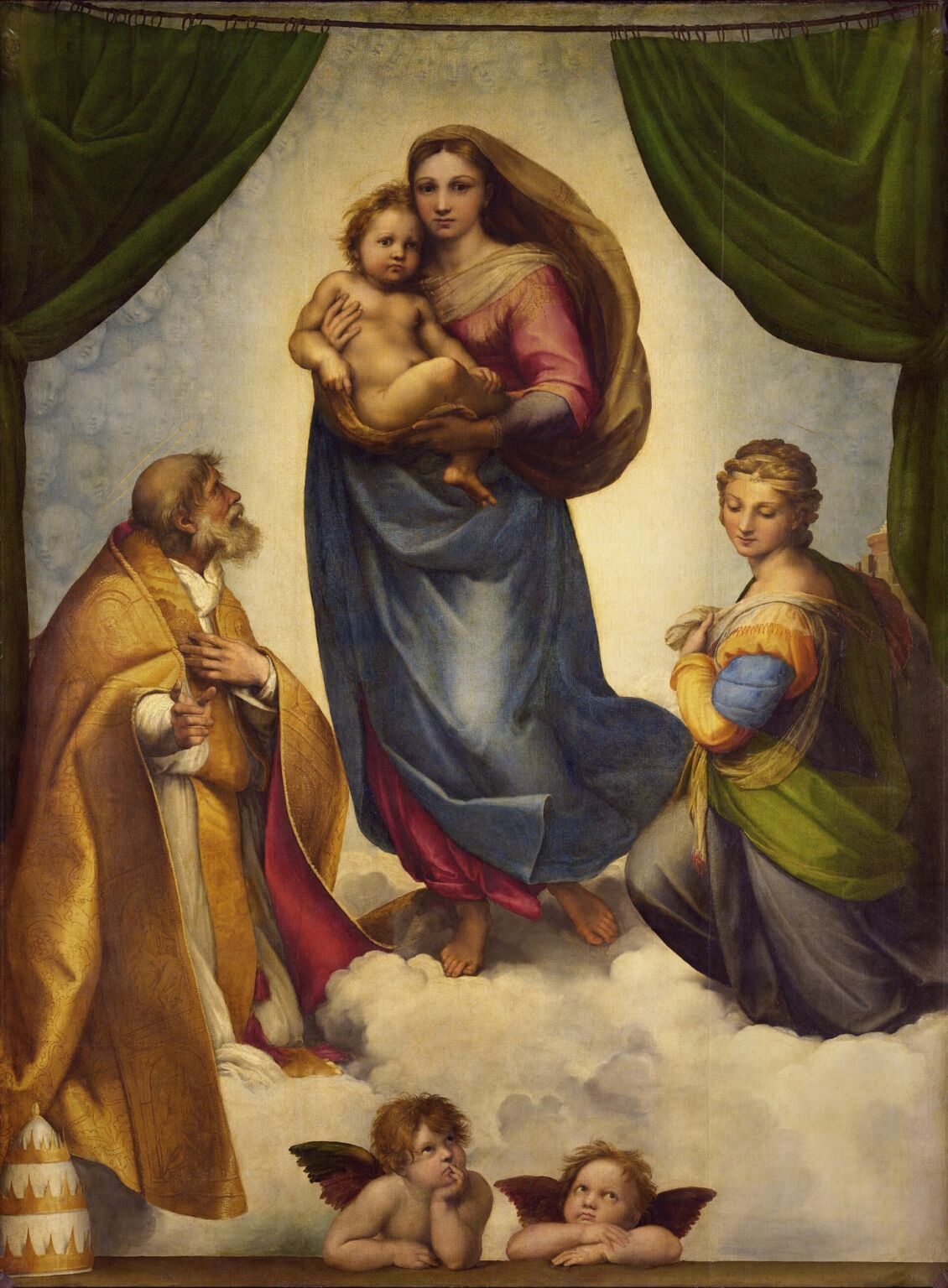
Raphael’s Sistine Madonna: how a provincial altarpiece won over Russia
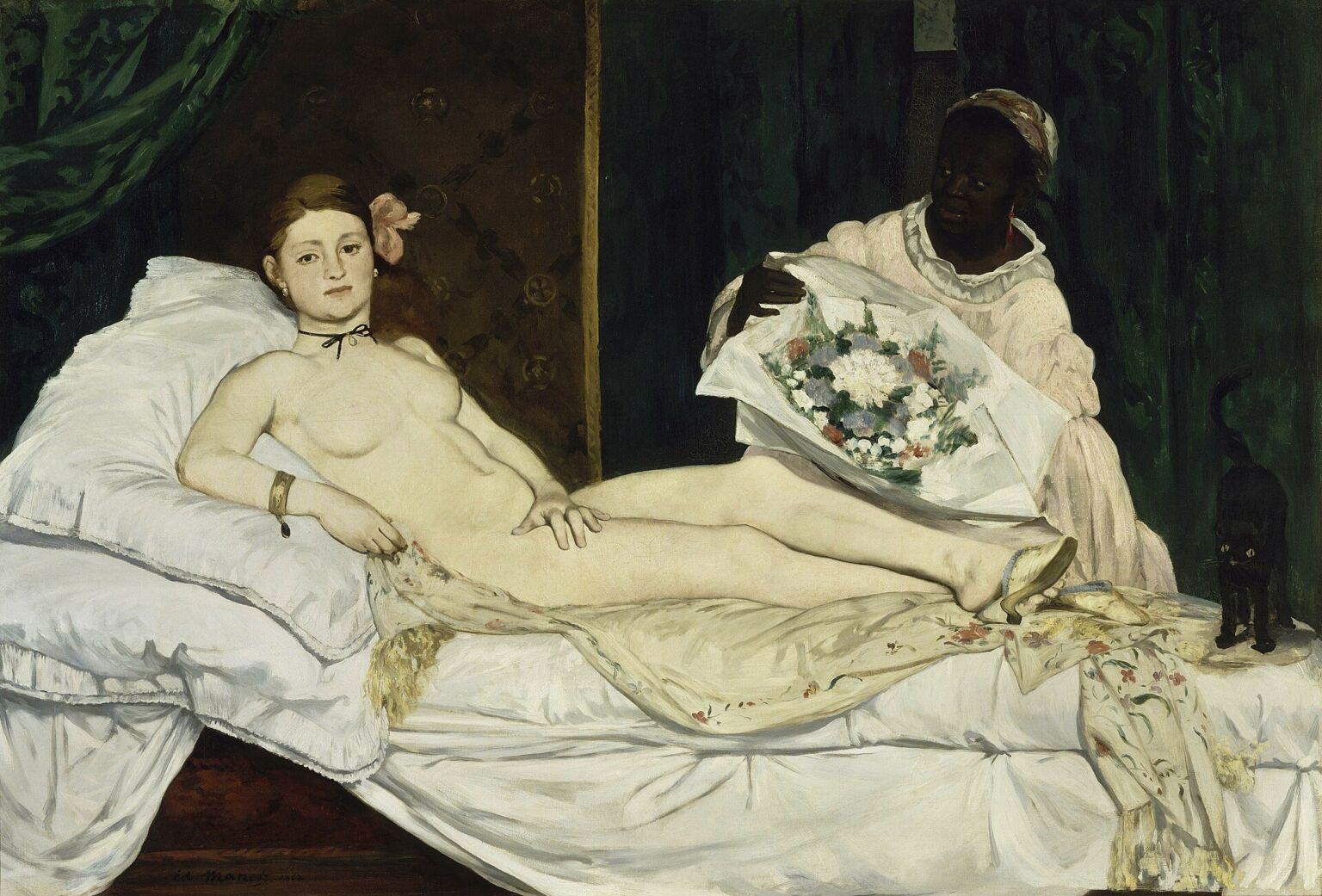
Manet’s Olympia: why the nude needed guards