Art movement
Dutch Golden Age painting
17th century (around 1600–1672) · Netherlands (Dutch Republic)
About the movement
In the winter of 1637 the price of tulip bulbs collapsed on the Dutch market, and speculators who only the day before had paid the price of a house for a single bulb were left with nothing. The episode of tulip mania shows what kind of country produced the Golden Age of painting: rich, commercial, fond of a gamble and very young. The northern provinces had risen against Spain in the 1560s and won final recognition of their independence in the Peace of Münster in 1648. By then Amsterdam had become the financial capital of Europe, and a painting was an ordinary object in the home of a baker or a weaver.
Calvinist churches had no images, and there was no court able to support artists. Painters worked for the market: they sold through shops, lotteries and fairs and belonged to the city Guilds of Saint Luke, which policed quality and the right to trade. Hence the narrow specialization. One master spent his whole life painting naval battles, another frozen canals, a third laden tables. Jan van Goyen and Jacob van Ruisdael made a national hero of the flat landscape under a vast sky, Willem Heda and Pieter Claesz the restrained "breakfast piece" with pewter tableware, Jan Steen the rowdy tavern, and Pieter de Hooch the quiet courtyards of Delft.
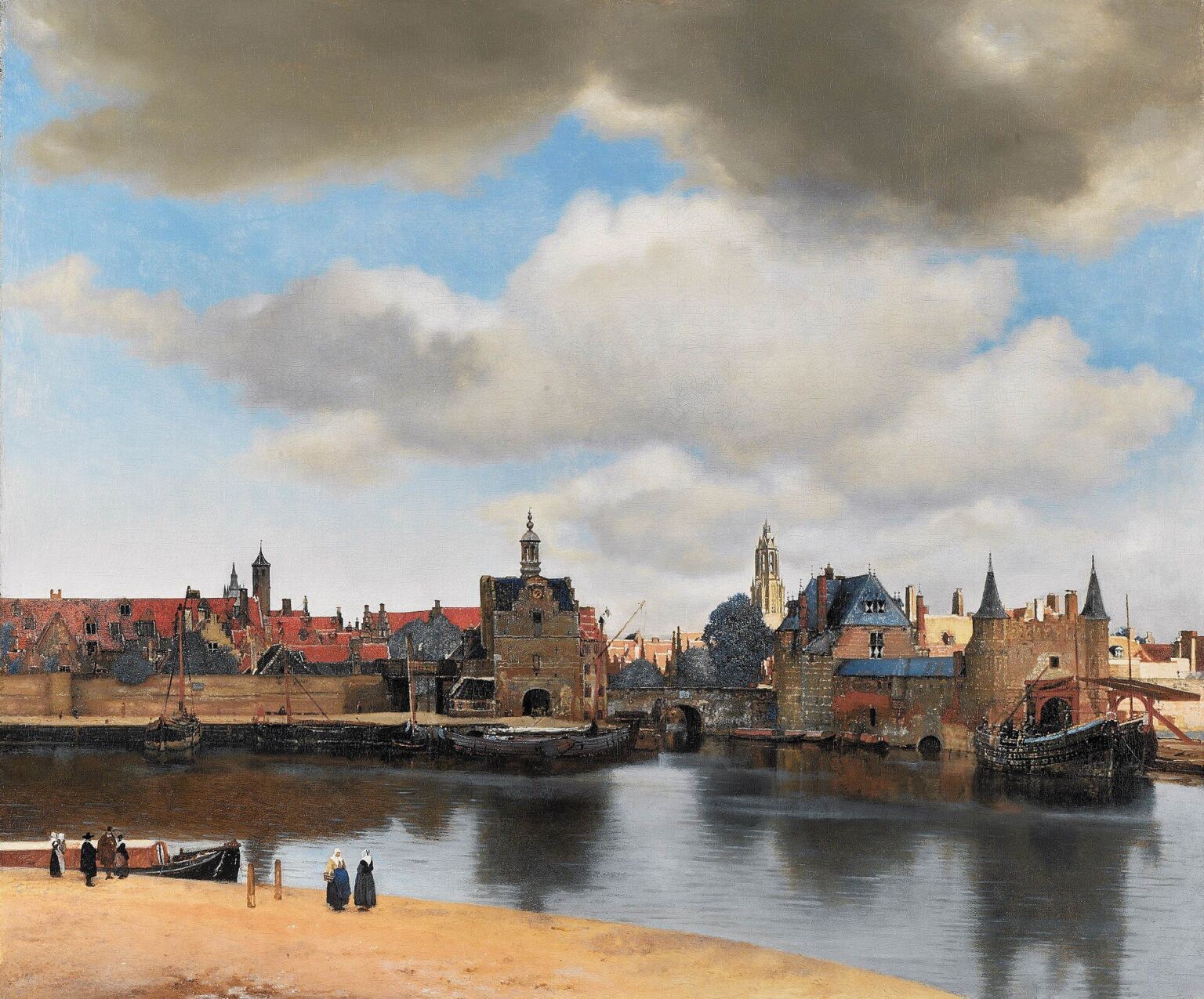
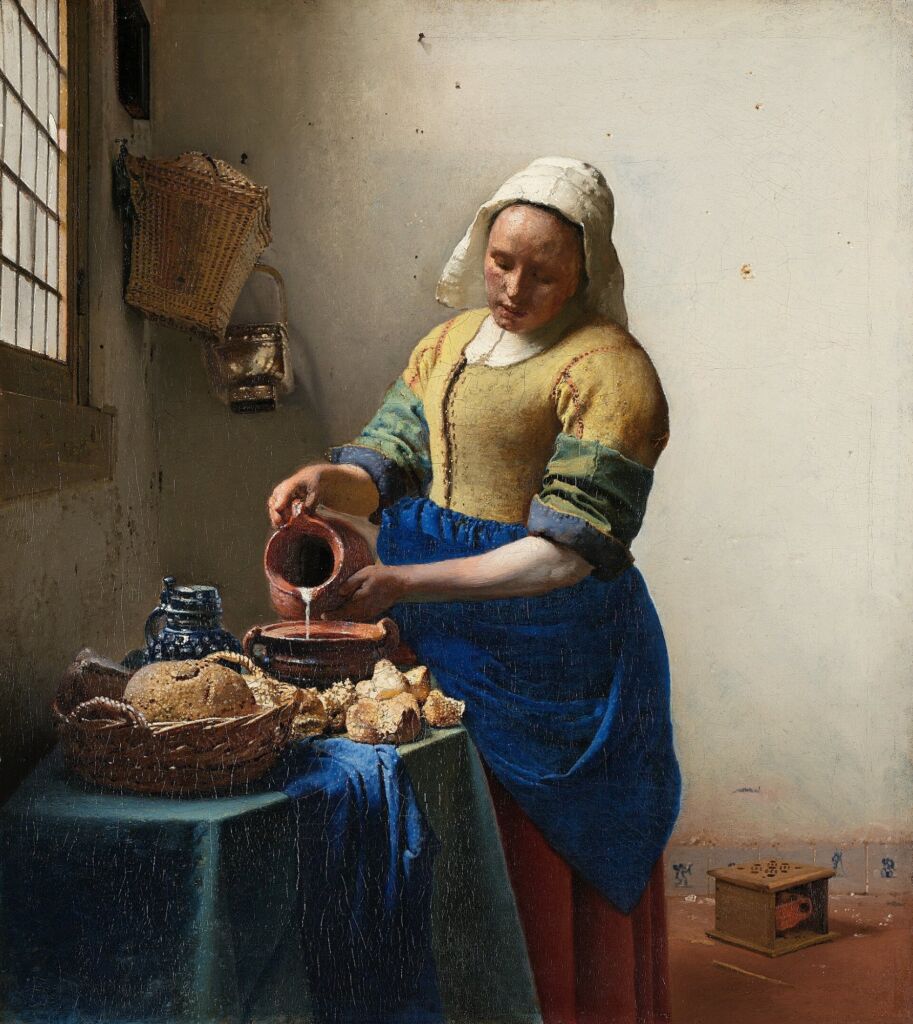
Each city had its own school. In Utrecht, Gerrit van Honthorst and Hendrick ter Brugghen, back from Rome, brought Caravaggesque light. In Haarlem, Frans Hals painted The Laughing Cavalier (1624, Wallace Collection, London) so quickly and freely that his brushwork was truly appreciated only by the Impressionists. In Amsterdam, Rembrandt made his name with The Anatomy Lesson of Dr Nicolaes Tulp (1632, Mauritshuis) and with his group portrait of the militia company of Captain Frans Banninck Cocq (1642, Rijksmuseum); the picture acquired the name The Night Watch later, once its varnish had darkened. In Delft, Johannes Vermeer left about 35 paintings, among them The Milkmaid (around 1660, Rijksmuseum), View of Delft and Girl with a Pearl Earring (both in the Mauritshuis).
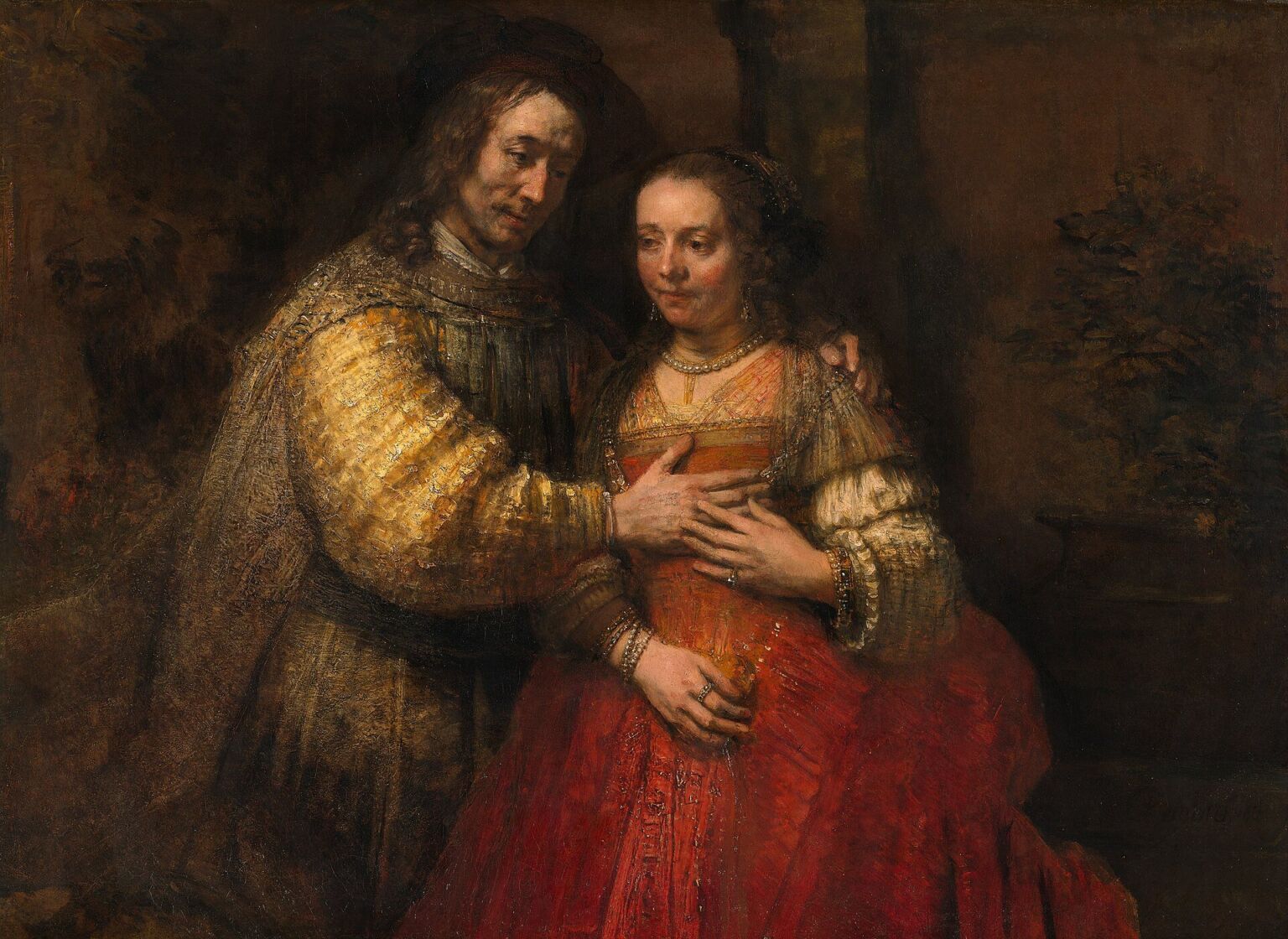
Fame in their own lifetimes was not shared out the way posterity shares it, and the market could be cruel. Constantijn Huygens, secretary to the stadtholder, singled out the young Leiden painters Rembrandt and Jan Lievens as early as around 1630 and predicted a great future for them. But the late Rembrandt went bankrupt, declaring insolvency in 1656; Hals died a pauper; and Vermeer was all but forgotten after his death. He was rediscovered by the French critic Théophile Thoré-Bürger, who published a series of articles about him in 1866.
Russia fell for the Dutch early. Peter the Great bought their paintings for Monplaisir, his palace at Peterhof. The Hermitage itself began in 1764 with a consignment of pictures sent to Catherine the Great from Berlin in settlement of a debt; among them was Hals's Portrait of a Young Man with a Glove. In 1766 Rembrandt's The Return of the Prodigal Son was bought on her orders, and later his Danaë (1636). In June 1985 a visitor threw sulfuric acid on Danaë and slashed it twice with a knife; the restoration took twelve years, and the painting went back on public view only in 1997.
The end came with the "Disaster Year" of 1672, when France, England and two German prince-bishoprics attacked the republic at once. The art market collapsed, and taste shifted toward the smooth French manner. But what had been achieved in seventy years did not disappear: Dutch landscape taught Constable and the Barbizon painters, Vermeer's interiors taught photographers and cinematographers, and the very idea that art could live without church or court became the norm for the whole of the 19th century. The Dutch were the first to prove that a painting could be a marketable commodity and still be a great work of art.
Stories
Impasto: from Titian’s fingertips to Van Gogh’s clouds
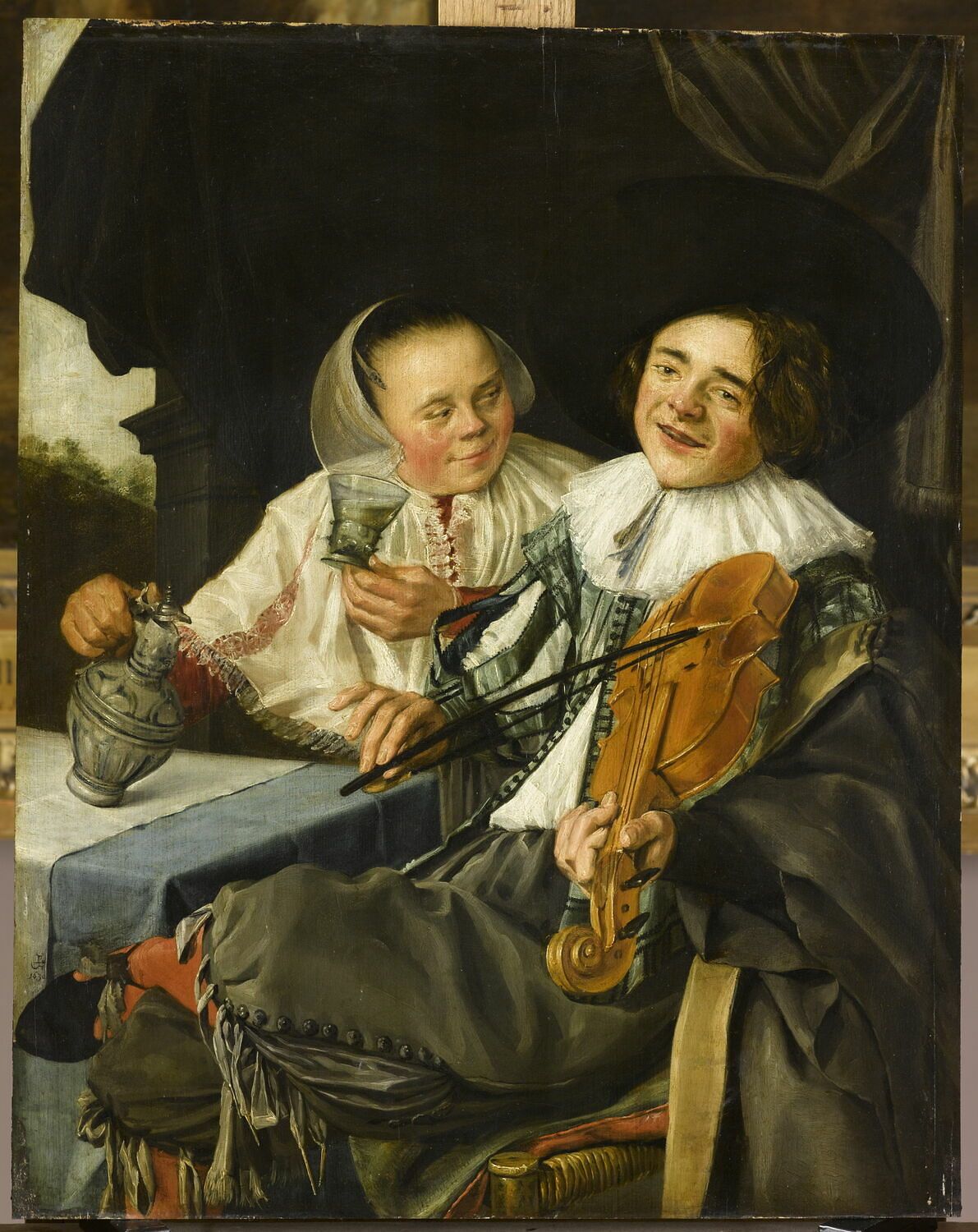
What the little star in a “Frans Hals” signature gave away
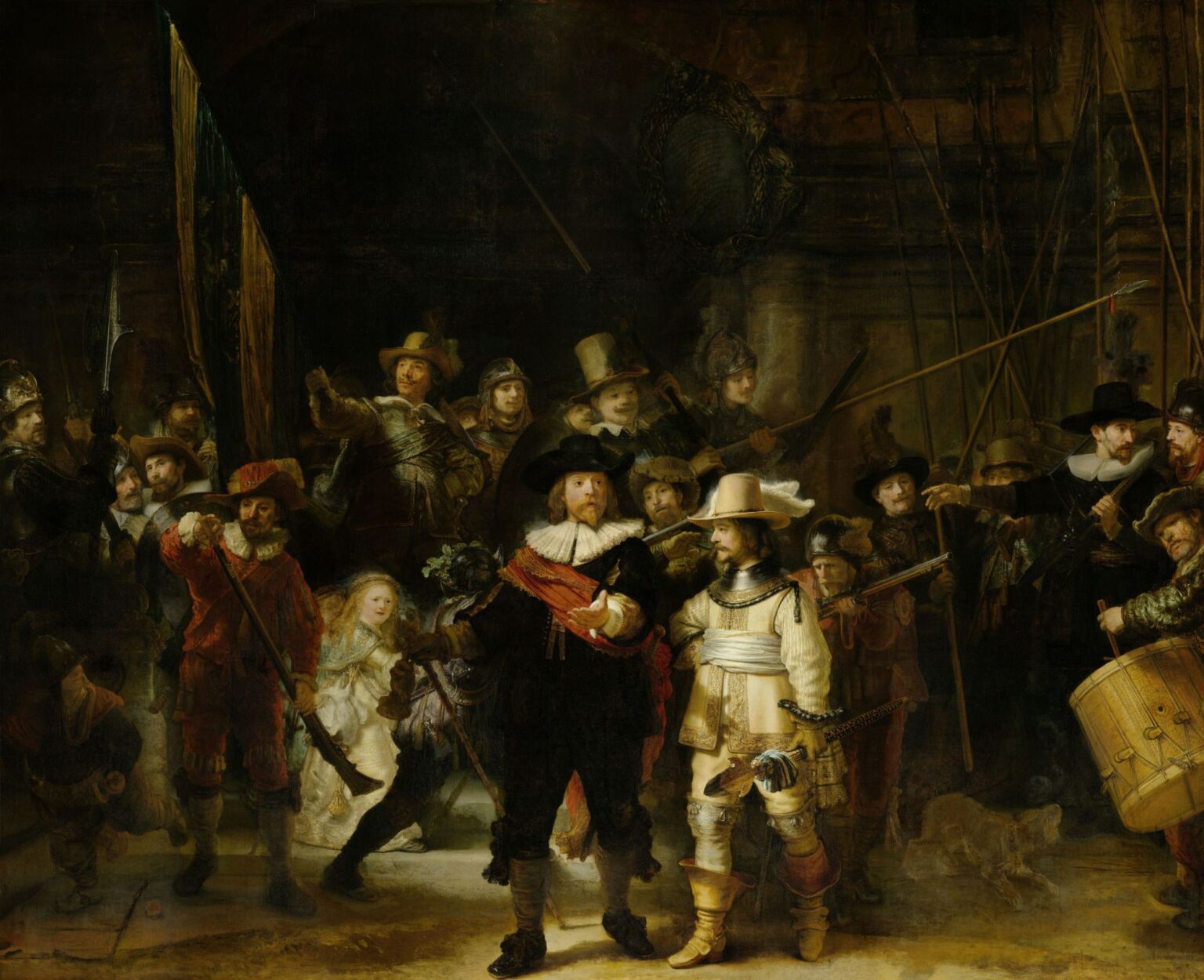
The girl with a dead chicken at the heart of Rembrandt’s Night Watch