Rembrandt's Night Watch: the girl, the name and the cut

The girl with a dead chicken at the heart of Rembrandt’s Night Watch

Why the brightest figure in a militia portrait is a little girl with a dead chicken on her belt, and what else Rembrandt's most famous painting hides.
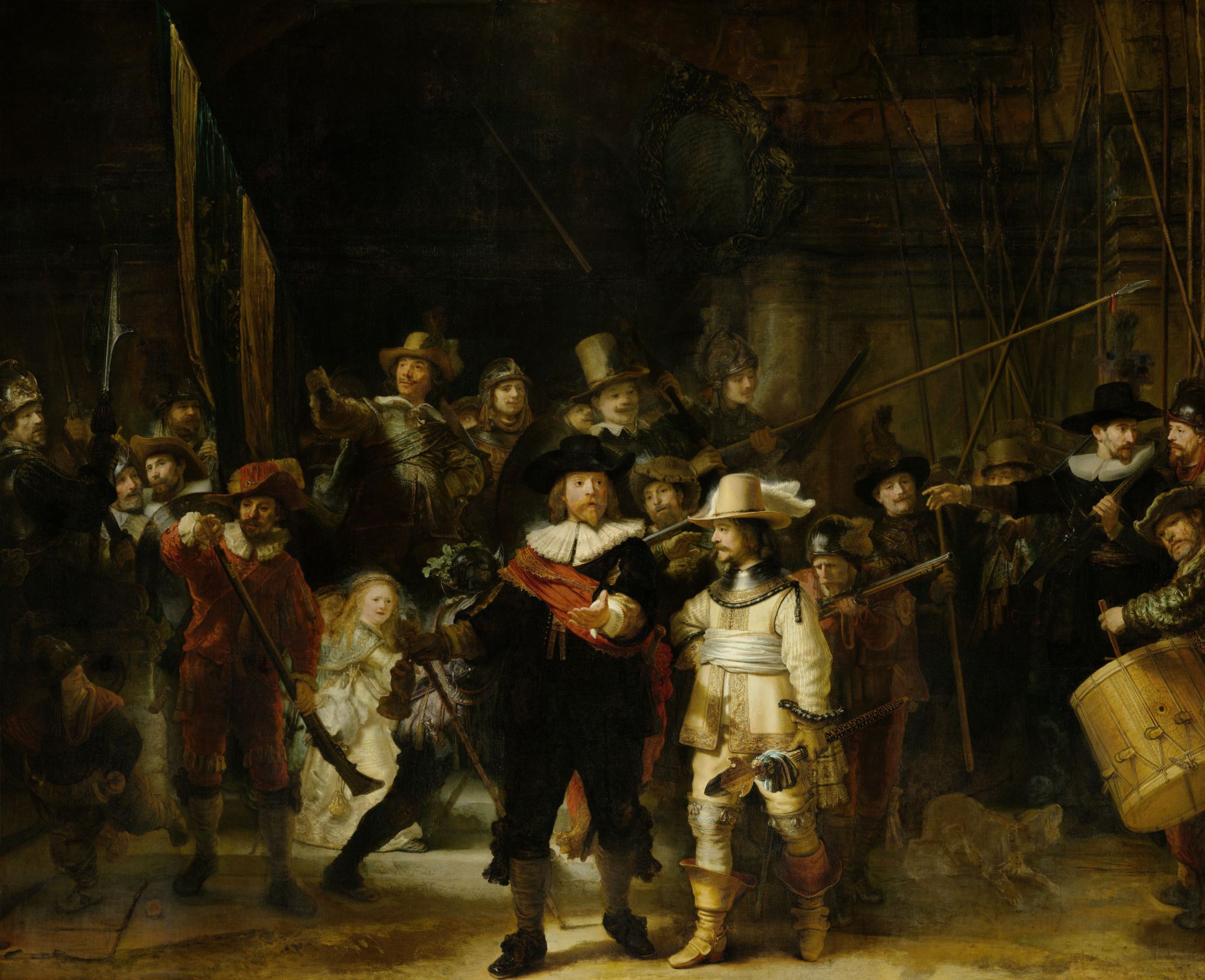
Рембрандт. Ночной дозор. 1642. Рейксмюсеум

Amsterdam, 1642. The militia company of Captain Frans Banninck Cocq orders a group portrait. The rules of such commissions are simple and fair: everyone pays for his place on the canvas, and everyone wants to be clearly seen. Group portraits of the time look a lot like school photos: two neat rows of equally serious faces, with an equal share of light for each.

Rembrandt takes the money and does the opposite. He pushes some of his clients into shadow. And he gives the brightest spot in the painting to someone who could not possibly belong to a militia company.

You’ve read 10% of this column

Finish this one — and every one after it.

Every Editor’s Column · no ads · card, Apple Pay, Google Pay Become a member
Read next