The goodbye note on Gainsborough’s Blue Boy that took a century to come true
In 1922, 90,000 people said goodbye to Gainsborough's Blue Boy before it left for California, and the National Gallery's director penciled two words on its stretcher. It took a century for the painting to answer.
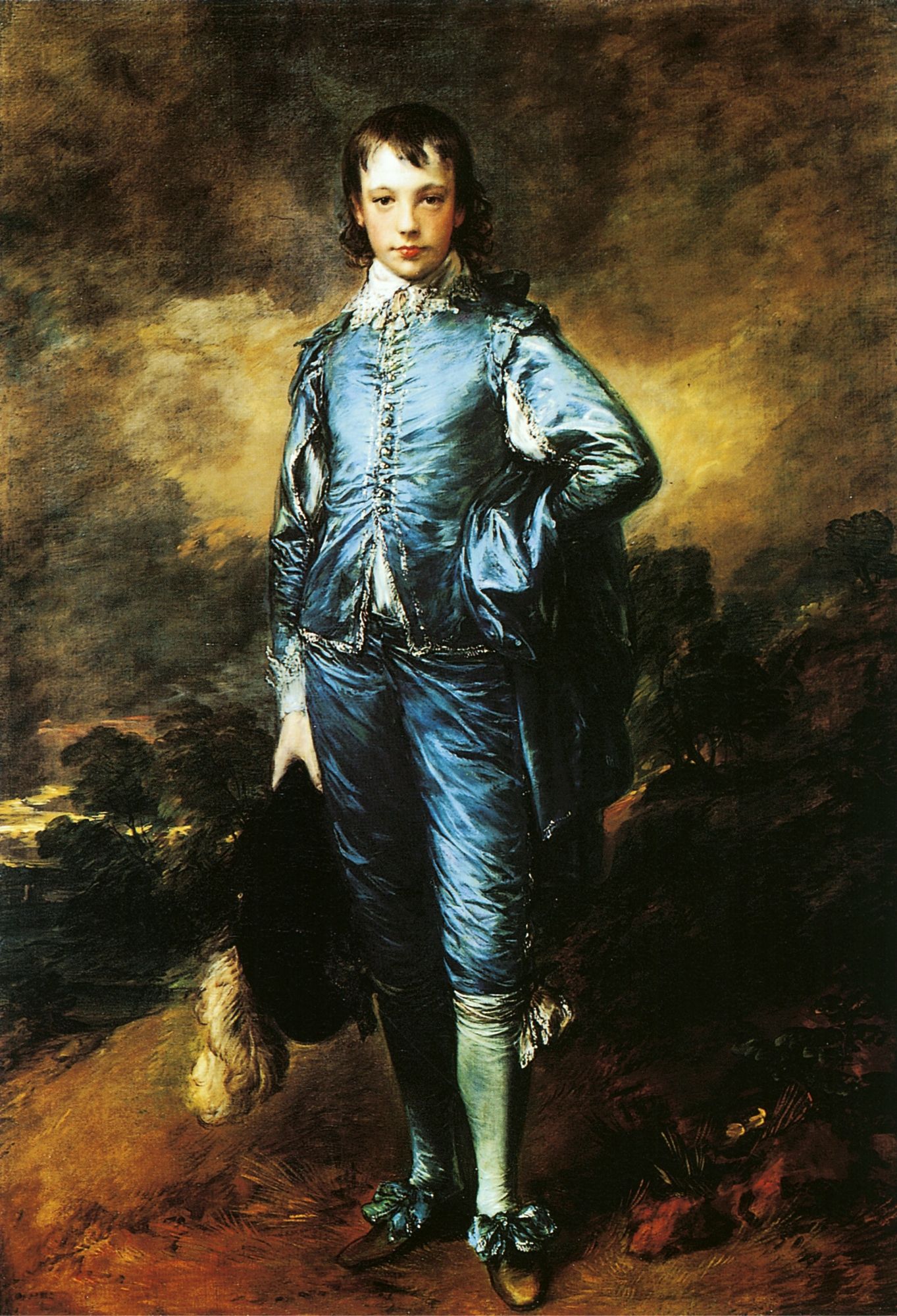
On January 25, 1922, a full-length portrait by Thomas Gainsborough was packed for a journey to California. On its stretcher, the director of the National Gallery in London, Sir Charles Holmes, penciled two words and his initials: “Au revoir. CH.”
It was a polite farewell and a stubborn hope. The painting took exactly a century to make good on it.
A record price and a three-week goodbye
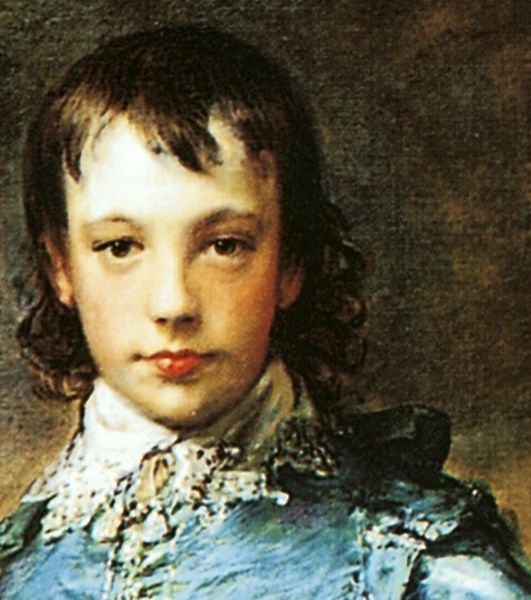
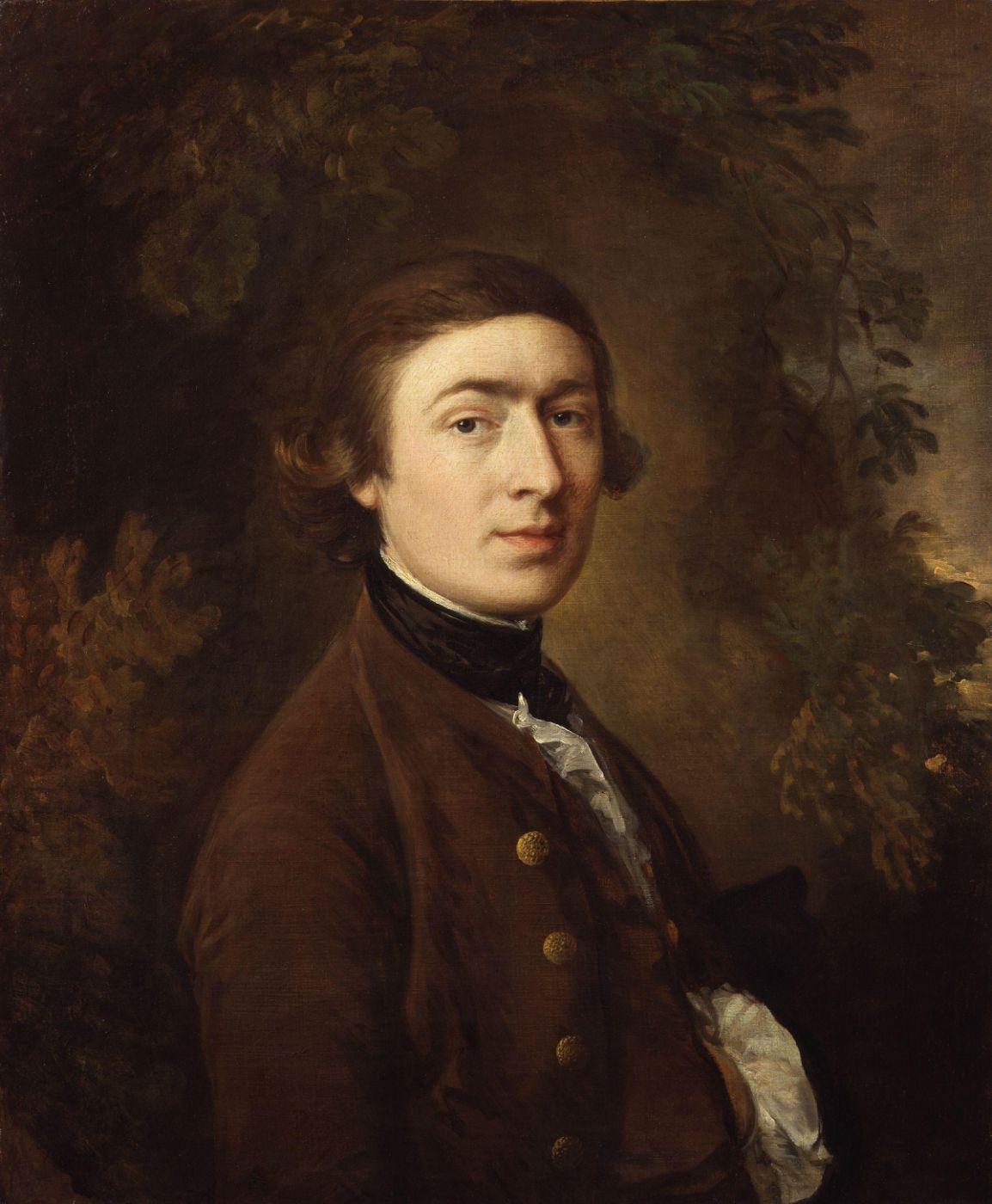
Gainsborough showed the picture at the Royal Academy in 1770 under a modest title, A Portrait of a Young Gentleman. The canvas is large, about 70 by 49 inches, and by 1798 people were calling it The Blue Boy. The sitter has never been securely identified. Jonathan Buttall, the son of a London ironmonger and the painting’s first owner, is the traditional candidate; some historians prefer Gainsborough’s nephew, Gainsborough Dupont.
The canvas reportedly passed to the politician John Nesbitt, then to the painter John Hoppner, and in 1809 to Earl Grosvenor. His descendants, the Dukes of Westminster, lent it generously to exhibitions at home and abroad, including one in Berlin in 1908 meant to promote Anglo-German understanding.
The boy in blue had become public property in all but name. That made his departure harder to accept.
In 1921 the second Duke sold it to the dealer Joseph Duveen, who sold it to the American magnate Henry E. Huntington. The price was reported as $728,000, then the highest sum ever paid for a painting.
Duveen made the sale an event. According to the Huntington’s own account, he orchestrated an international publicity campaign around it. In Britain it read as a national loss: a favorite English painting bought with American railroad money and shipped across an ocean.
Before it left, the painting hung at the National Gallery for three weeks. The gallery says some 90,000 people came to see it in that time. Holmes’s note went with it.
A man’s head, a hidden dog and an 11-inch tear
In San Marino, California, the boy became a celebrity; he has hung at the Huntington since 1928. He also became a technical puzzle. X-rays showed that Gainsborough had not started on a fresh canvas. He painted over a portrait of a man he had begun and abandoned, and the man’s head is still visible near the top center of the picture.
A 1994 X-ray found a dog at the boy’s feet, lower right. Gainsborough painted it out and turned its front paws into rocks.
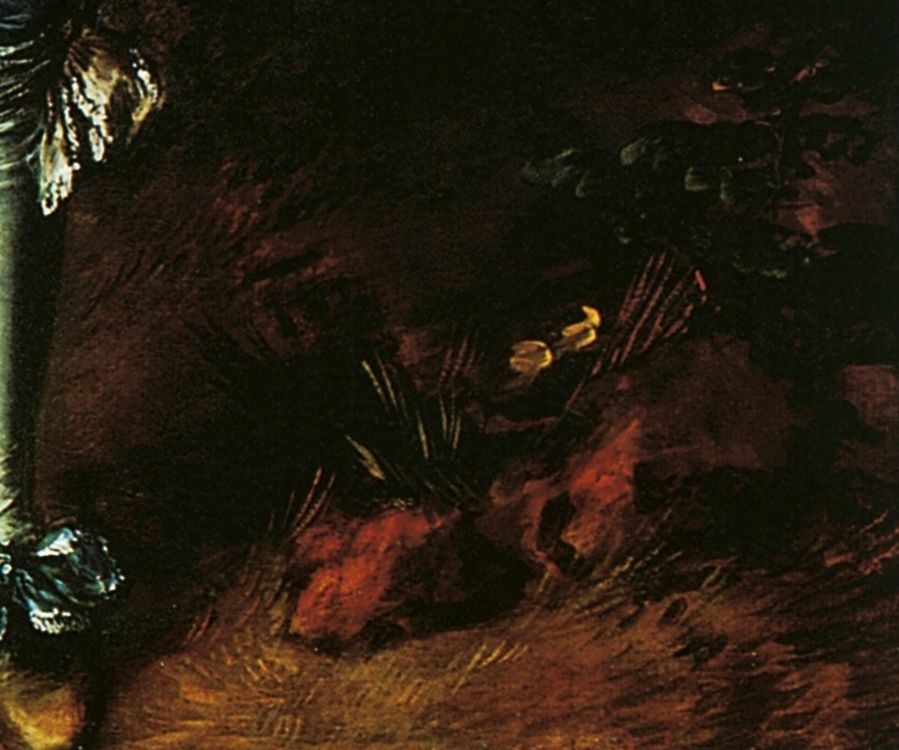
The Huntington’s conservation campaign, Project Blue Boy, began in 2018. Conservator Christina O’Connell treated the painting in an open gallery while visitors watched. She secured flaking paint, removed darkened varnish and found an L-shaped tear more than 11 inches long, probably early and long since mended.
Under the varnish the blue came back brighter, along with landscape details that had sunk into shadow. The public treatment ended in September 2019, and the painting went back on view in 2020.
Two penciled words waited on the stretcher for a hundred years.
The return Holmes asked for
The conservation made a loan thinkable, though not easy. According to Smithsonian magazine, a panel of nine conservation experts advised in December 2018 against lending the fragile canvas. A second panel, meeting in September 2019 once the hands-on work was done, approved the trip. Huntington president Karen R. Lawrence called it an unprecedented loan, likely the only time the painting would travel.
On January 25, 2022, exactly 100 years after it left, The Blue Boy went on view again at the National Gallery. The free display in Room 46 ran until May 15 and set the painting beside works by Anthony van Dyck, whose 17th-century portraits gave Gainsborough the slashed doublet and knee breeches.
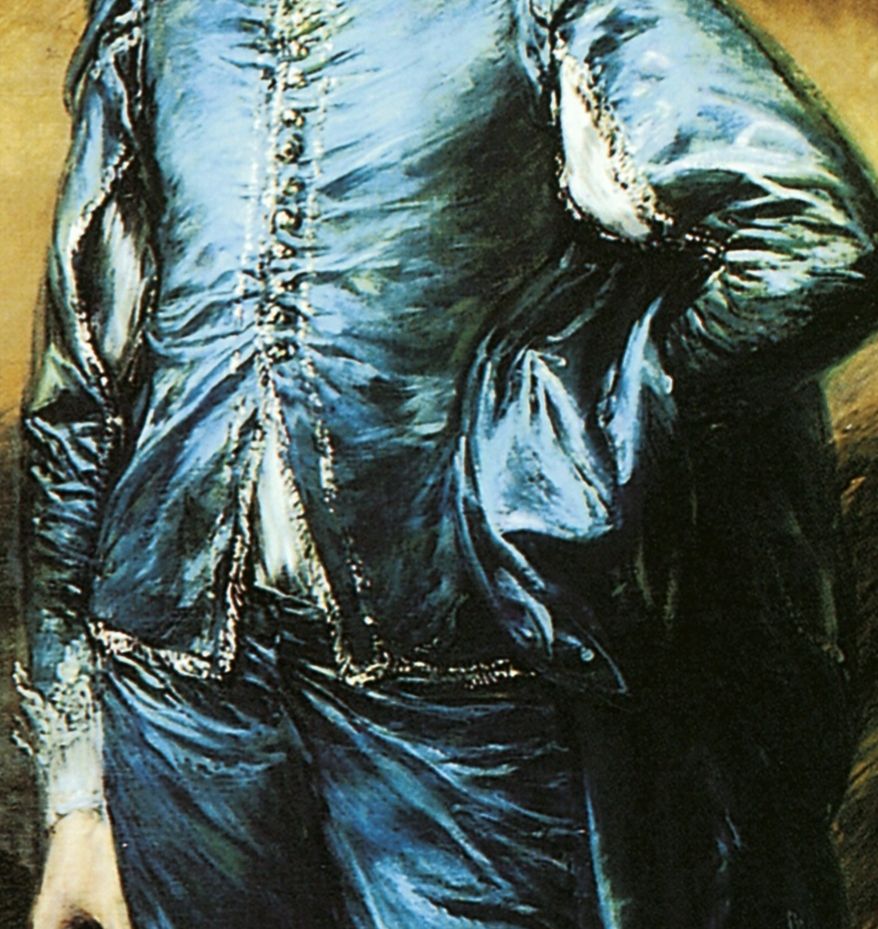
For most of the century in between, the British public had known the boy only through copies. The Huntington writes of a “Blue Boy mania” that carried the figure into popular culture. In Room 46 visitors could compare that familiar image with the brushwork the cleaning had brought back, the kind of surface reproductions flatten.
Everything that made the picture famous in 1922 is on the front. The note that connects the two visits is on the back, on the stretcher, where Holmes left it. He died in 1936. His au revoir came true anyway; the wait simply outlasted him.
Comments
For Hroniki readers
Comments are open to readers with an account. Signing up is free and takes a few seconds.
No comments yet. Start the conversation.