Millais’s Ophelia and the cold bath
Millais painted the river for Ophelia outdoors in Surrey and the drowning woman in a London bathtub. When the lamps under it went out, Elizabeth Siddal fell ill and her father threatened to sue.
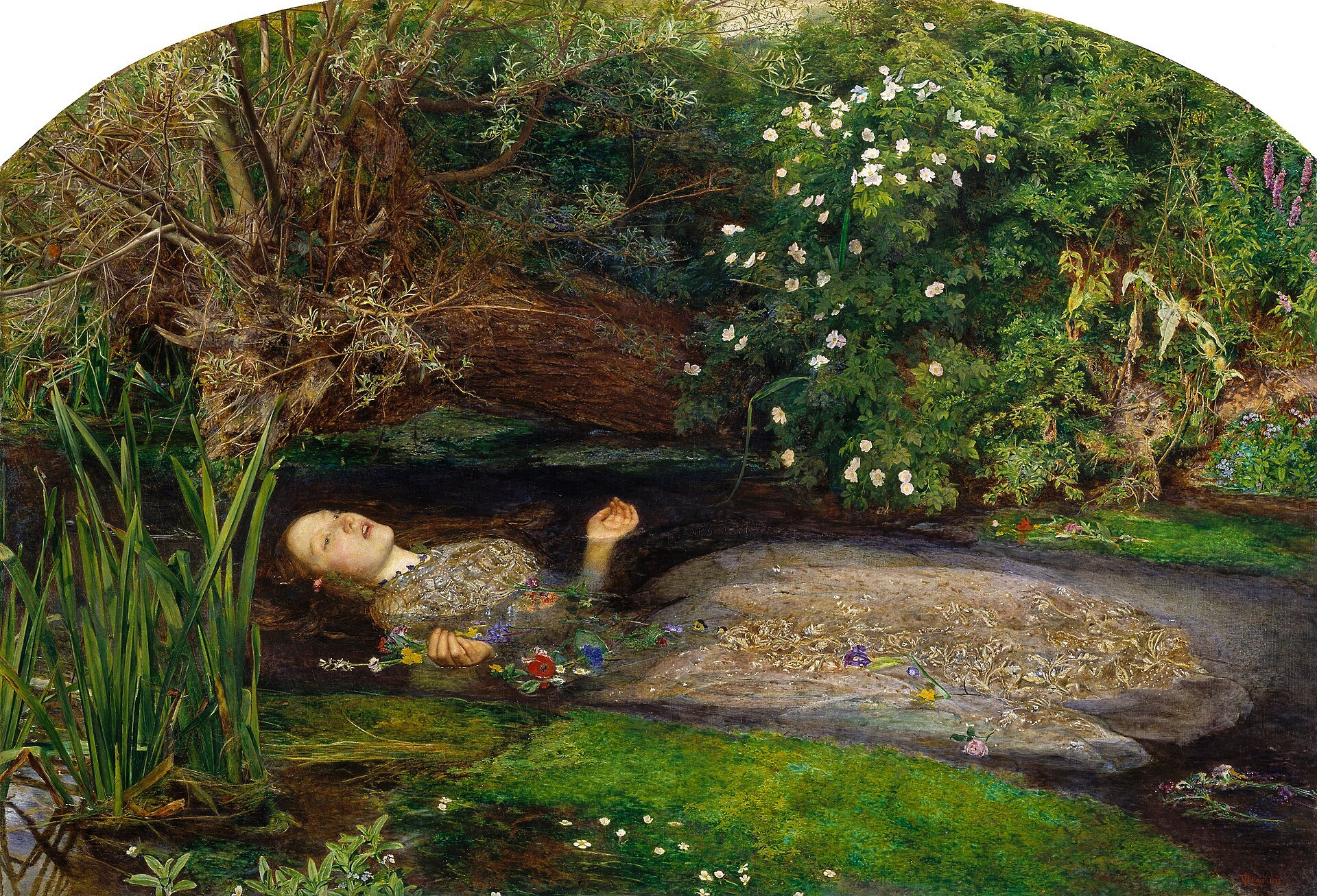
In 1852 a letter reached John Everett Millais from the father of his model. Elizabeth Siddal, who had been posing for Ophelia, had fallen ill, and her father was threatening to sue the painter for £50. The trouble had started on a riverbank in Surrey, months before she ever posed.
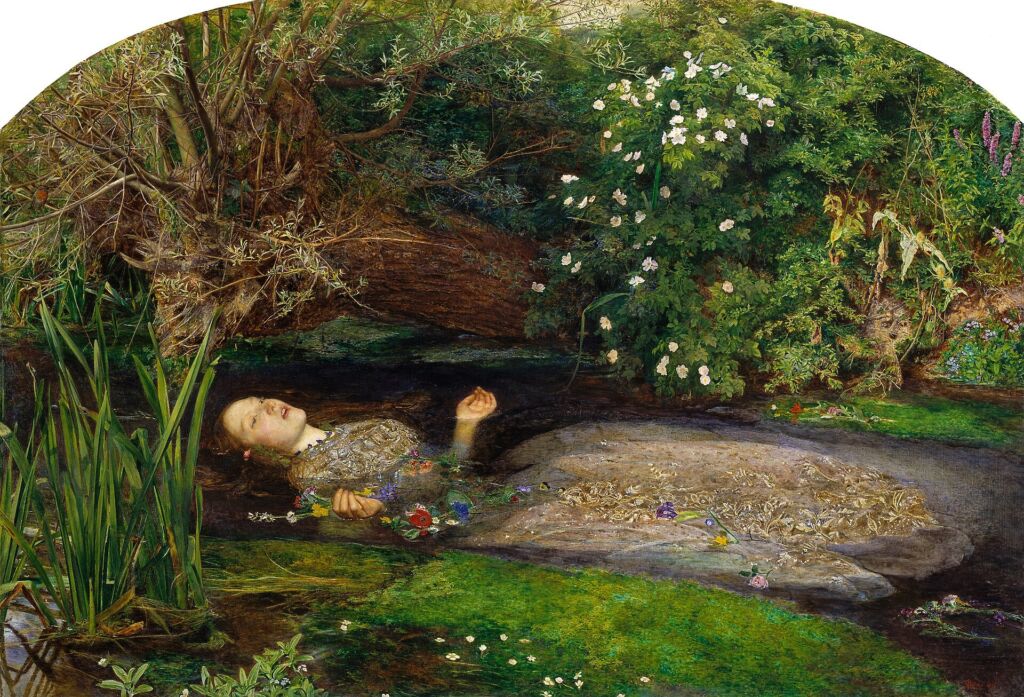
Eleven hours a day by a Surrey stream
The picture began without Ophelia in it. Millais, then 22, wanted the river first, painted outdoors and from life, as the Pre-Raphaelite Brotherhood insisted. He had founded the group with William Holman Hunt and Dante Gabriel Rossetti in 1848. In the summer of 1851 he and Hunt walked the banks of the Hogsmill, a small stream that rises at Ewell in Surrey, looking for backgrounds.
Hunt found his spot quickly. Millais did not. The search ended in the meadows at Cuddington, when he pointed and said, “Look! could anything be more perfect?” Or so Hunt tells it in his 1905 memoir.
Which bend of the river it was is still uncertain. Tate places the spot at Ewell, while the local researcher Barbara Webb has argued for Six Acre Meadow in Old Malden, farther downstream.
The two painters took lodgings at Surbiton. On July 2, 1851, Millais wrote to a friend that they rose at six, were at work by eight and got home at seven. In the same letter he admitted he had been arguing with John Ruskin about Turner.
Further on, the letter turns into a list of grievances. “The flies of Surrey are more muscular,” he wrote. He sat under an umbrella for eleven hours at a stretch and was threatened with a magistrate for trespassing and spoiling the hay. Two swans kept watching him from the exact spot he wanted to paint.
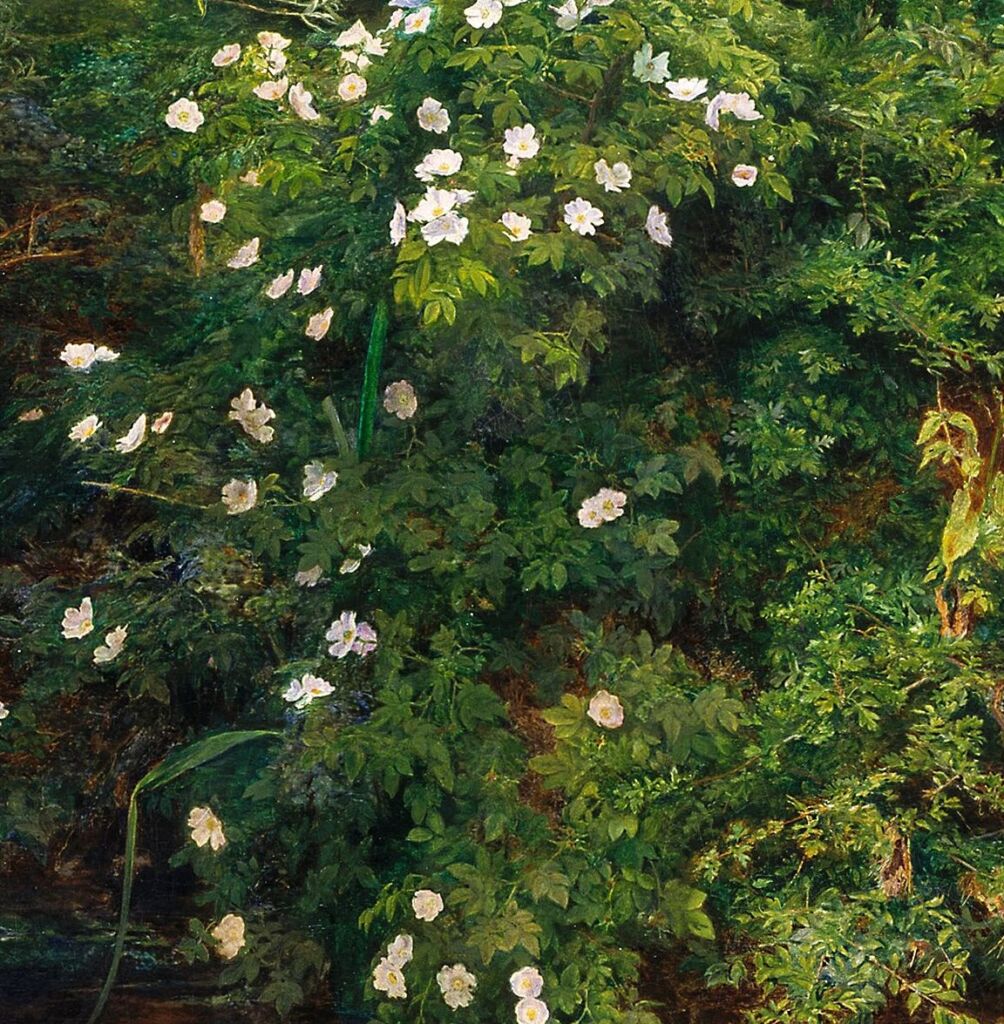
He stayed by the river for about five months, through autumn, moving with Hunt and two other painters to Worcester Park Farm. On December 10, 1851, the dealer Henry Farrer bought Ophelia for 300 guineas. At that point the canvas had a river, a willow and a bank of flowers, and no woman.

A bath in a London studio
That December Millais went back to his studio at 83 Gower Street in London to paint the figure. His model was Elizabeth Siddal, whom the painter Walter Deverell had spotted working in a milliner’s shop. She would marry Rossetti in 1860.
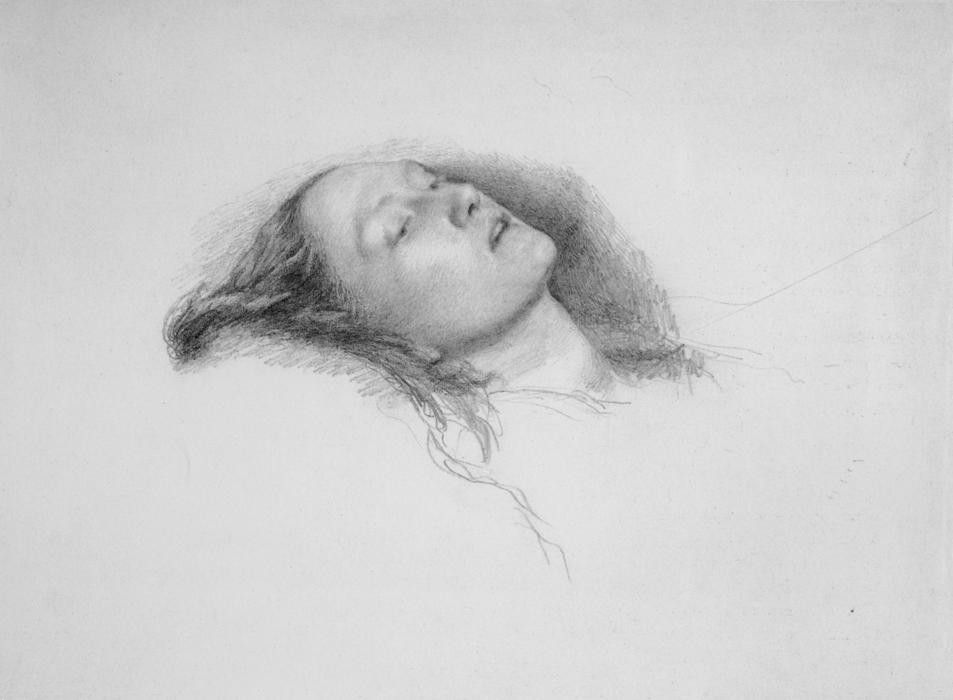
To get the weight of wet cloth right, Millais had her lie in a large bath full of water. In March 1852 he bought an old dress “all flowered over in silver embroidery” for her to wear in it. It cost him four pounds, “old and dirty as it is.”
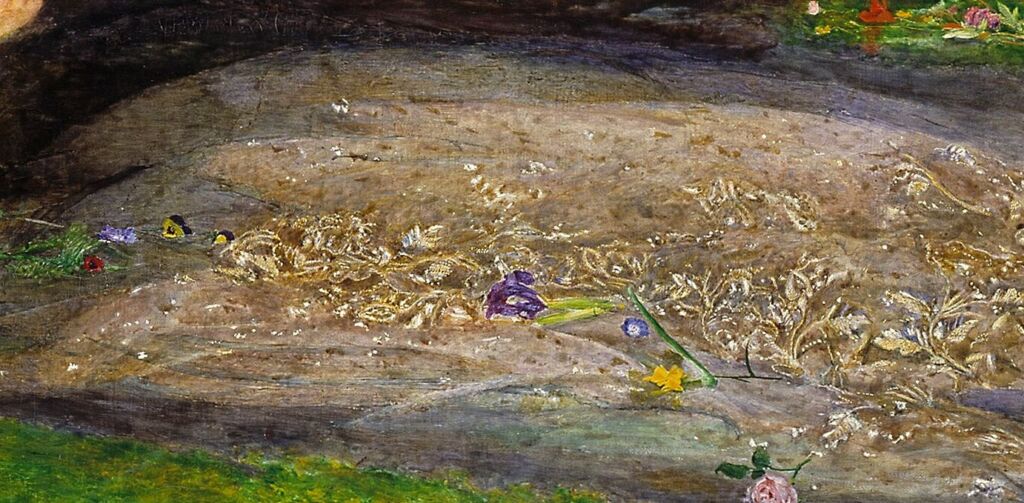
Lamps under the tub kept the water warm. One day, with the picture nearly finished, they went out. Millais was too absorbed to notice, and Siddal, in the account of the painter’s son, was kept floating “till she was quite benumbed.” She never complained, but she caught a severe cold.
Her father wrote to Millais, threatening an action for £50 in damages. In The Life and Letters of Sir John Everett Millais (1899), John Guille Millais says the matter was “satisfactorily compromised”: Millais paid the doctor’s bill, and Siddal soon recovered.
The popular version, in which Millais pays £50 for the doctor, merges two sums. The £50 was what her father demanded, and the 1899 account does not say how much the doctor charged. The pneumonia of later retellings isn’t in the son’s book either.
Flowers a professor could teach from
At the Royal Academy in 1852 the Morning Chronicle found the picture “startling in its originality.” Around 1873 Millais saw it again in London and noticed that some colors had gone wrong, notably the green of the water weed and the coloring of the face. He took it back and repainted them.
Farrer later sold it on, and it changed hands several times before Henry Tate bought it in 1892 and gave it to the nation in 1894. It measures about 76 by 112 centimeters (30 by 44 inches) and hangs at Tate Britain, in the galleries for British art of 1845 to 1905.
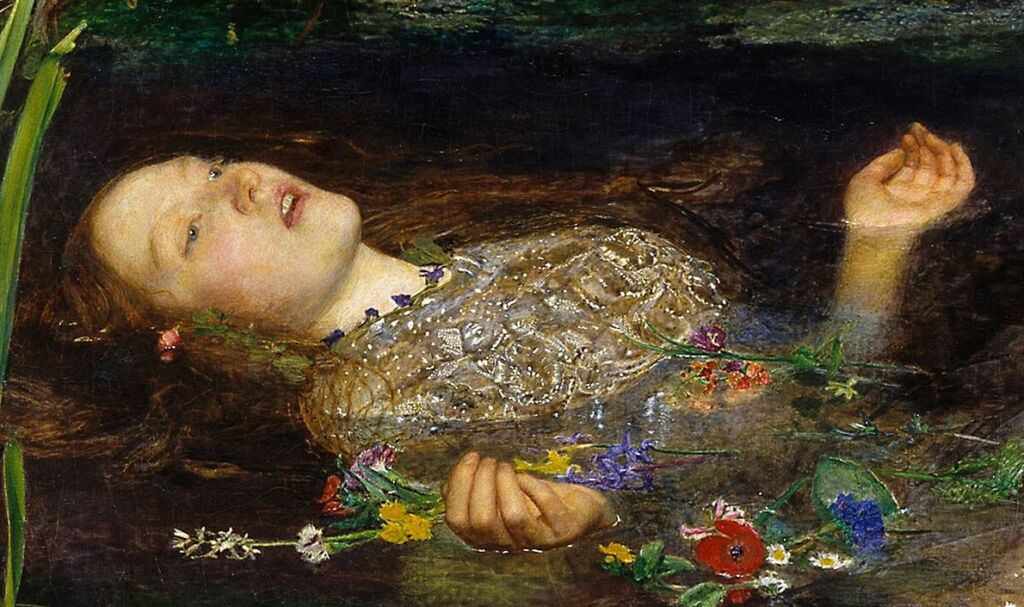
Because the bank was painted over five months, flowers that bloom in different seasons open side by side. Most come from Shakespeare’s text or were chosen for what they symbolized. Tate reads the violets around her neck as faithfulness and the pansies on her dress as love in vain.
Millais painted each plant from a real specimen, dead and broken leaves included. His son tells of a professor of botany who could not take his students into the country. He took them to the Guildhall instead, where Ophelia was on show, and lectured on the flowers and plants in the painting.
Visitors still come for the drowning woman. The professor came for the riverbank, and said its plants were “as instructive as Nature herself.”
Comments
For Hroniki readers
Comments are open to readers with an account. Signing up is free and takes a few seconds.
No comments yet. Start the conversation.